Push for Sexuality Education to Curb Teen Pregnancies intensifies
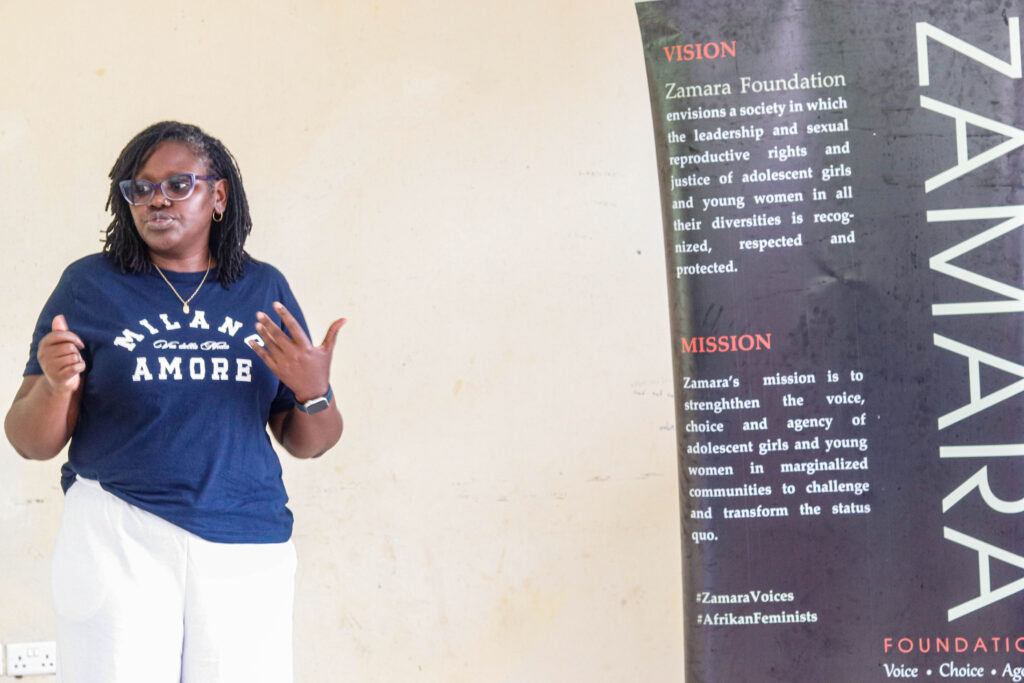
Zamara Foundation executive director Wambui Kimani. (Photo By Mbungu Harrison)
By Mbungu Harrison
Email, thecoastnewspaper@gmail.com
Education stakeholders want the government to intervene and introduce comprehensive sexuality education to protect the girl-child as cases of teenage pregnancies, early marriages and gender-based violence increase in the country.
The Zamara Foundation appeals to the government to allow sexual education in schools saying it is critical in addressing the rising cases of reproductive and violence affecting girls in Kenya.
Speaking during a community dialogue in Kwale County, Zamara Foundation executive director Wambui Kimani said many girls continued to suffer because they lacked adequate information on sexual and reproductive health rights and issues.
According to her introducing comprehensive sexuality education in schools would empower girls with knowledge on how to protect themselves, report abuse and avoid harmful practices that interfere with their education.
“If sex education is intensified in Kenyan schools, teenage pregnancies, early marriages and violence against girls will drastically reduce because girls will know their rights and where to report perpetrators,” she said.
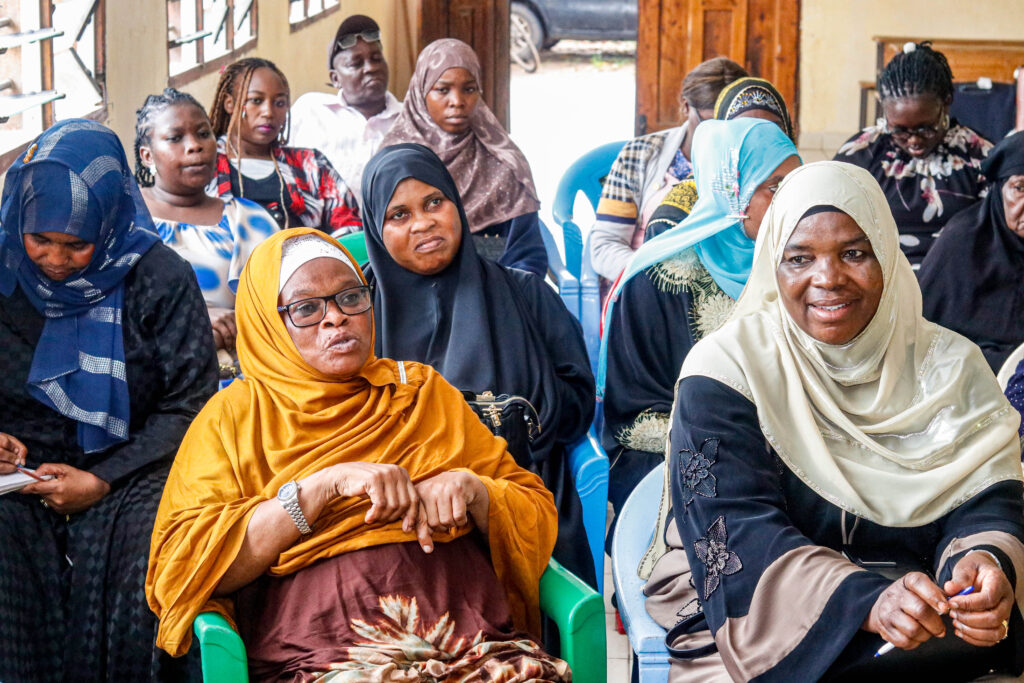
The meeting brought together parents, teachers, chiefs, village elders and school board chairpersons to discuss social challenges affecting the girl child in Kwale County which has been identified among regions highly affected by teenage pregnancies and school dropouts.
The director said the foundation’s Gumzo Darasani programme being implemented in Kilifi and Kwale counties had already shown positive results in schools where it has been implemented.
“Teachers have testified that many girls who had dropped out due to pregnancy have returned to school after interventions involving teachers, parents and government administrators.”
However, she noted that organizations advocating for sexuality education continue to face resistance from the government, forcing many programmes to operate outside schools.
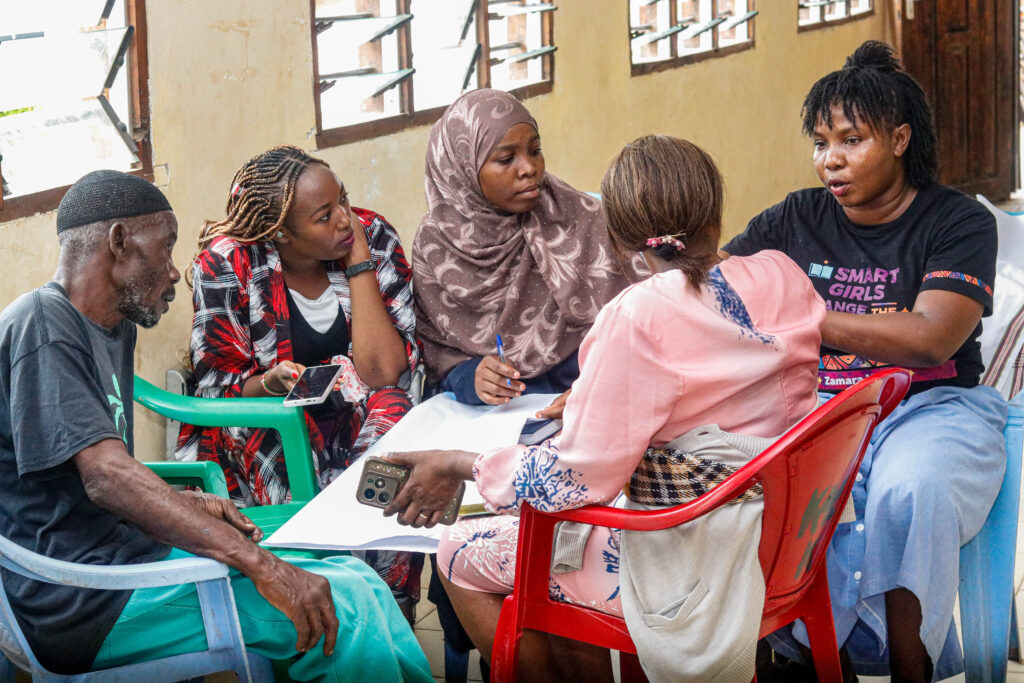
“There is still resistance and existing circulars limiting organizations from taking comprehensive sexuality education directly to schools, yet the reality on the ground shows this information is urgently needed.”
She called on the government to sign and implement the East and Southern Africa commitment on sexuality education, arguing that evidence-based studies have shown such programmes help delay early pregnancies, reduce child marriages and lower cases of gender-based violence.
The director warned that teenage pregnancies expose girls to serious risks including birth complications, HIV/AIDS infections, postpartum depression and violence.
“It is time for the government to accept the reality on the ground. Research clearly shows that when children receive comprehensive sexuality education, they are better equipped to make informed decisions.”
Local administrators led by Kiteje assistant chief Salama Suleiman and education stakeholders also pledged support in protecting girls from abuse and ensuring those affected continue with their education.
The chief said authorities would intensify enforcement against perpetrators of violence targeting girls.
“We are keen to ensure any case of gender violence against girls is reported and action taken against perpetrators. Parents should also support girls who become pregnant to return to school,” she said.
Parents attending the forum urged families to take greater responsibility in guiding children.
Sonado Mwinyi, one of the parents, said many challenges facing girls arise from lack of parental guidance.
“As parents, we must guide our daughters and support those affected to return to school or acquire skills that can help them build their future,” she said.
Violin Mwaniki deputy headteacher Ng’ombeni primary and senior schoolsaid schools have strengthened guidance and counselling programmes to help girls stay focused on education and avoid early marriages.
She confirmed that several girls who had dropped out due to pregnancy had successfully resumed learning following joint interventions by teachers, parents and local leaders.
A 2026 report by county health officials in Kilifi showed teenage pregnancy rates had reduced from 21 percent to about 15 percent following community-based reproductive health interventions targeting adolescents and parents.
Another 2026 report by Zamara Foundation revealed that the organization had reached more than 600 girls in at least 15 public schools in Kwale and Kilifi through its Gumzo Darasani programme, which focuses on sexuality education and mentorship.
About The Author