Need of a Rescue: The Crew of the Kivu Spear II
By Andrew Mwangura
Email, thecoastnewspaper@gmail.com
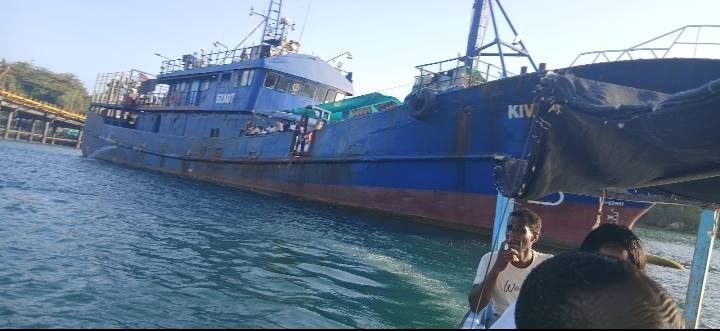
At the Mnarani Anchorage in Kilifi, a silent crisis unfolds aboard the Kenyan-flagged fishing vessel Kivu Spear II.
Twenty-two seafarers are trapped—not by storms or pirates, but by a deliberate and devastating neglect.
Their vessel is anchored, out of fuel, and unable to move. What began as a routine crab-fishing expedition has become a microcosm of the global abandonment of maritime labour, a stark betrayal of those who power our world’s supply chains.
The multinational crew—18 Kenyans alongside seafarers from Pakistan, Indonesia, China, and Zanzibar—are more than just statistics. They are fathers whose children’s school fees have gone unpaid, sons mourning lost parents from afar, and workers enduring conditions that defy basic human dignity.
Despite landing over 10 tonnes of crab between October and December 2025, they have not received a single shilling for three months of labour. While their contracts have been terminated, their rightful wages have vanished.
Left without support from the managing agency, their food and water have run dry, leaving them dependent on the charity of local well-wishers.
Below deck, the situation is dire. Without fuel for ventilation, sweltering heat amplifies infestations of bedbugs, driving men to sleep on the open deck.
Two crew members are ill without medicine; psychological strain manifests in midnight shouts and silent grief. Communication has broken down, and proposed wages fall shamefully short of international standards.
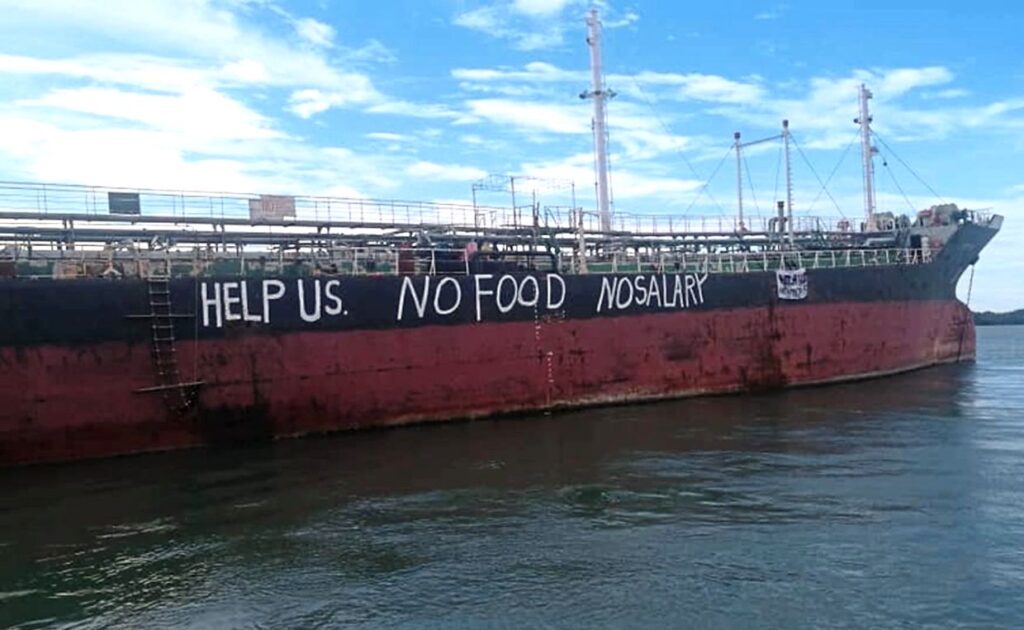
Tragically, the plight of the Kivu Spear II is not an isolated incident. It is part of a horrifying global trend.
According to the International Transport Workers’ Federation (ITF), 2025 was the worst year on record for seafarer abandonment, with 6,223 seafarers stranded on 410 ships—a 32% increase from 2024.
These seafarers are collectively owed a staggering $25.8 million in unpaid wages. These figures, alarming as they are, likely represent only a fraction of the true scale, as many cases go unreported.
This systemic crisis is enabled by a shadowy framework of “Flags of Convenience,” where vessels register under jurisdictions with lax oversight, allowing unscrupulous owners to evade responsibility.
Under international law, including the Maritime Labour Convention, abandonment is clearly defined: the failure to pay wages for two months, provide necessary support, or arrange for repatriation.
Yet, from the Middle East to Europe, the impunity persists, leaving crews without pay, provisions, or a path home.
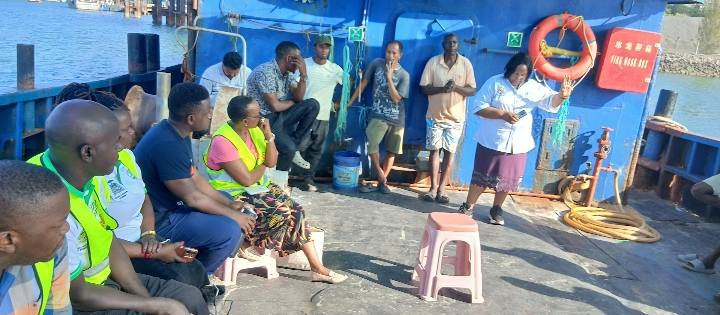
In Kilifi, the failure of official mechanisms has forced humanitarian and faith-based groups to act as first responders.
Stella Maris –Mombasa, in collaboration with St. Patrick’s Parish and the Mission to Seafarers under Rev. Fr. John Mosoti, has provided critical food, water, and psychosocial support. Their compassion is a lifeline, but it is a stopgap, not a solution.
The crew’s appeal is now direct and urgent: they call upon the Government of Kenya and all relevant stakeholders to intervene immediately.
This means securing their unpaid wages, restoring basic welfare, and facilitating their repatriation. A prompt and decisive response is not merely an administrative act; it is a moral imperative that would affirm Kenya’s commitment to the dignity of those who sail under its flag.
The stranded men of the Kivu Spear II embody a broader shame. They are essential workers who have been rendered expendable. Allowing this abandonment to continue unchallenged erodes the very foundations of maritime labour law and basic human rights.
We must act now. No seafarer should be left adrift, abandoned by the very industry they sustain.
Mr. Mwangura is an independent maritime consultant and former Secretary General of the Seafarers Union of Kenya.
About The Author