A Port of Progress: How Kenya’s Maritime Gateway is Cementing Regional Dominance
By Andrew Mwangura
Email, thecoastnewspaper@gmail.com
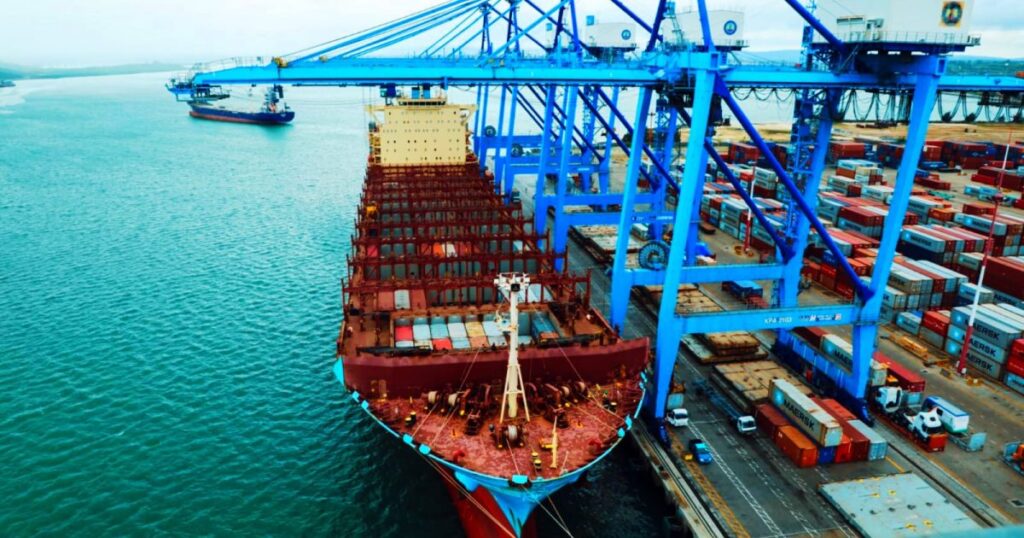
The announcement that cargo throughput at the Port of Mombasa reached a record 45.45 million metric tons in 2025 is far more than a statistical footnote.
It is a definitive signal of Kenya’s accelerating emergence as the region’s preeminent maritime and logistics hub.
A striking 10.9 percent year-on-year increase—representing an additional 4.46 million tons—reflects more than recovering global trade; it is the tangible payoff of deliberate policy, sustained infrastructure investment, and operational reforms.
In the fiercely competitive arena of East and Central African ports, this performance cements Mombasa’s position at the very heart of the continent’s trade arteries.
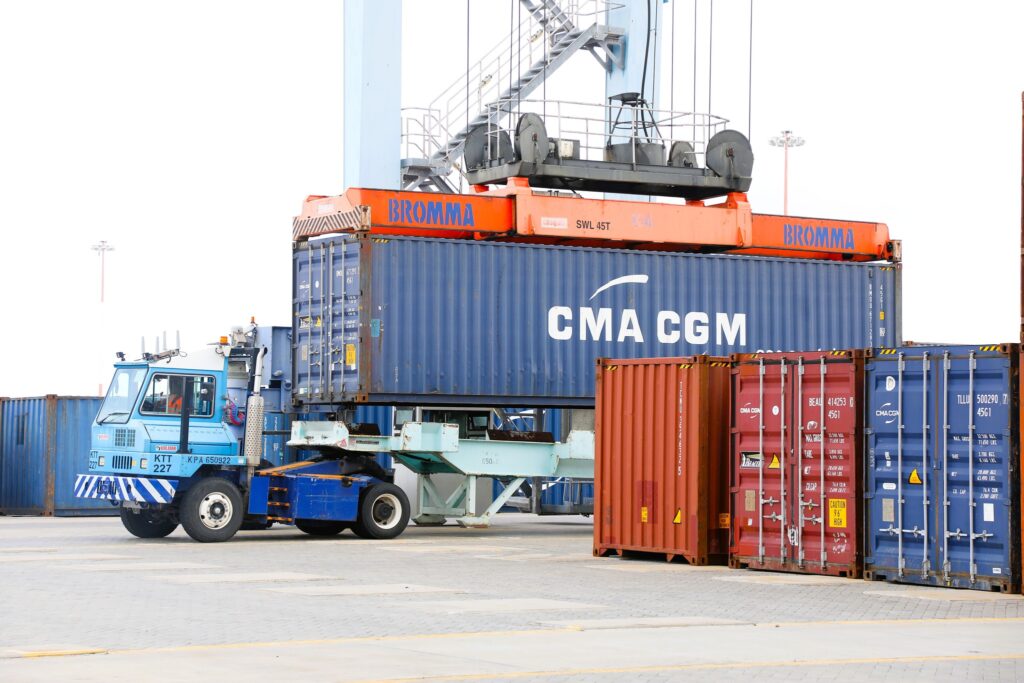
The growth in container traffic underscores a narrative of resilient expansion. Handling 2.11 million twenty-foot equivalent units (TEUs), up 5.5 percent from 2024, may seem modest. Yet in a global context still marked by volatile supply chains and shifting alliances, this steady gain is significant.
It demonstrates that global shipping lines and cargo owners retain confidence in Mombasa as a reliable and capable gateway, even as volumes climb.
Most telling, however, is the surge in transit cargo, which leapt 19.5 percent to 15.88 million metric tons. Transit traffic is the ultimate barometer of a port’s regional competitiveness—highly mobile and ruthlessly sensitive to cost, speed, and reliability.
This robust growth indicates that landlocked partners along the Northern Corridor are voting with their cargo, trusting Mombasa to move their goods efficiently. This trust is hard-earned, built on consistent performance, improved corridor coordination, and proactive regional engagement.
The success story extends beyond Mombasa, revealing a system-wide transformation. The meteoric rise of the Port of Lamu is particularly compelling, its throughput soaring from 74,380 to 799,161 metric tons, driven largely by containerized cargo.
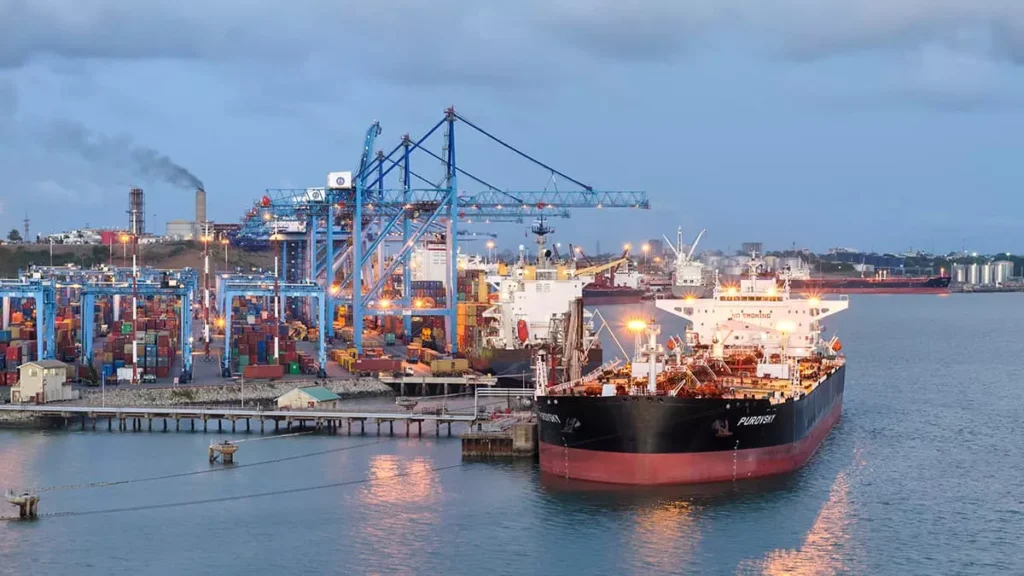
Handling 55,687 TEUs, Lamu has decisively shifted from a strategic promise to an operational reality. As noted by Capt. William Ruto, the establishment of regular shipping services heralds sustained future growth, positioning Lamu as a viable complementary gateway.
Equally promising is the revival of Kisumu Port on Lake Victoria, where tonnage grew by 55 percent to 496,516 metric tons. This resurgence validates the strategic push for multimodal transport, offering a cost-effective and environmentally sound alternative to congested road networks and reaffirming the lake’s critical role in regional trade integration.
Behind these numbers lies a calculated drive to expand capacity and modernize systems. The development of new berths (19B, 23, and 24) promises an additional 1.4 million TEUs of capacity.
This proactive expansion is crucial; ports that grow without investing inevitably succumb to congestion. By building ahead of demand, the Kenya Ports Authority is prioritizing long-term viability over short-term gains.
Parallel technological upgrades are equally vital. The ongoing modernization of the Terminal Operating System and the automation of key gates reflect an understanding that a modern port is a digital command centre as much as a physical interface.
These enhancements cut dwell times, boost transparency, and fortify the predictability that cargo owners demand—directly influencing port selection and bolstering stakeholder confidence.
This progress is rounded out by strategic equipment acquisition and deepened collaboration with industry partners. Port efficiency is a collective endeavour, dependent on the seamless interaction of shipping lines, agents, hauliers, and regulators.
By fostering this ecosystem, the Authority acknowledges that sustainable growth is a shared achievement.
In sum, the 2025 performance marks a pivotal inflection point for Kenya’s ports. The challenge now is to consolidate these gains, ensuring that operational excellence keeps pace with rising volumes.
If current reforms are sustained and projects delivered, these gateways will do more than handle increased cargo—they will drive it with greater resilience and sophistication, powering not only Kenya’s economy but the prosperity of an entire region.
Mr. Mwangura is an independent maritime consultant and former Secretary General of the Seafarers Union of Kenya (SUK).
About The Author