A Blue Dawn for Ghana: Turning Ocean Potential into National Prosperity
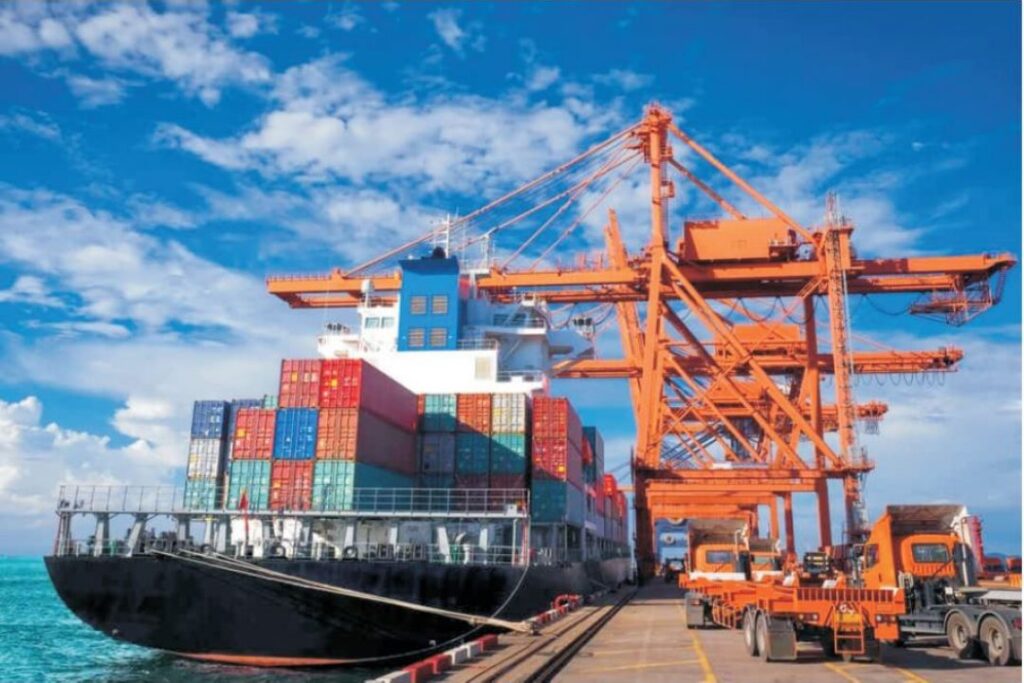
Ghana Port (Photo/courtesy)
By Andrew Mwangura
Email,thecoastnewspaper@gmail.com
The entry into force of the High Seas Treaty marks a profound turning point, not just for global diplomacy but for the future of Ghana and its fellow African coastal nations.
This agreement, governing nearly half the planet, presents a remarkable opportunity to move from being mere bystanders to becoming active architects of a sustainable ocean economy.
For Ghana, with its 550-kilometer coastline and communities deeply tied to the sea, the treaty is a catalyst to transform vast maritime potential into tangible prosperity while safeguarding the marine environment for generations to come.
Ghana’s recent ratification of the treaty and the launch of its ambitious Sustainable Ocean Plan demonstrate a clear commitment to lead by example, transitioning from high-level planning to the hard work of implementation on the water.
The significance of this moment cannot be overstated. Historically, the riches of the high seas have often been accessed only by nations with advanced technology and deep financial resources, leaving developing nations at a disadvantage.
The High Seas Treaty fundamentally rewrites this old script by placing equity and fair benefit-sharing at its core. It establishes mechanisms for the transfer of marine technology and ensures that the value derived from precious marine genetic resources—with potential for breakthroughs in medicine, food, and industry—is shared more justly.
This levels the playing field in a way that allows Ghana to accelerate its maritime development, building capabilities in science, governance, and sustainable industry that might otherwise have taken decades to achieve independently.
Ghana’s pioneering work provides a powerful model for the entire region. Nations across the Gulf of Guinea and the Western Indian Ocean, from Nigeria and Côte d’Ivoire to Kenya and Mauritius, face shared challenges: overfishing, piracy, pollution, and the urgent need for economic diversification.
By demonstrating how to translate an international treaty into a concrete national strategy, Ghana lights a path for others. Its Sustainable Ocean Plan, focused on creating wealth, ensuring health, and building knowledge from the ocean, offers a blueprint that can be adapted from Accra to Abidjan.
This is not about solitary success but about fostering a rising tide of regional cooperation. Through existing frameworks like the Yaoundé Architecture for Maritime Security and new initiatives like the West Africa Sustainable Ocean Programme, countries can pool resources, share surveillance data, and develop unified policies that give a collective voice to West Africa in global ocean forums.
The practical benefits of this integrated approach are immense and directly felt by Ghanaian citizens. Firstly, it is a matter of national food security. By participating in and helping to shape sustainable fisheries management beyond its territorial waters, Ghana can help replenish depleted coastal stocks and combat illegal fishing that steals from local fishermen.
A healthy ocean ecosystem directly translates to more secure livelihoods and affordable protein for coastal communities. Secondly, it opens doors to new, high-value economic sectors. Regulated exploration of deep-sea mineral resources and ethical access to marine genetic materials can spur innovation in biotechnology and pharmaceuticals, creating skilled jobs and attracting responsible investment.
The treaty’s strong requirements for environmental impact assessments will also force the development of crucial local expertise in marine science and monitoring, building a foundation of knowledge that benefits all maritime activities.
Realizing this blue future, however, demands more than goodwill and policy documents. It requires sustained investment and unwavering political commitment. Ghana must now build the physical and intellectual infrastructure to match its ambitions.
This means investing in modern research vessels, advanced laboratories, and cutting-edge monitoring systems to patrol and understand its waters. It calls for training a new generation of marine biologists, ocean lawyers, and sustainable fisheries managers.
These are substantial undertakings that will need creative financing, blending public funds with private investment and international partnerships. Crucially, this development must be governed with transparency and inclusivity to ensure that the wealth generated from the ocean benefits the many, not the few.
Coastal communities must be genuine partners in decision-making, and environmental safeguards must be ironclad to prevent the reckless exploitation that has too often marred land-based resource extraction.
The High Seas Treaty has provided the framework and opened a door of unprecedented opportunity. Ghana has taken the bold first steps through ratification and strategic planning. The journey ahead is one of diligent execution, regional solidarity, and long-term vision.
It is about building an economy where cutting-edge science works hand-in-hand with traditional knowledge, where economic growth reinforces ecological health, and where Ghana’s leadership inspires a continent.
If Ghana and its African partners can supply the sustained determination, the blue economy can indeed become a pillar of national prosperity as historic as cocoa and gold, while charting a new course for equitable and sustainable development that resonates far beyond its shores.
Mr. Mwangura, the former Secretary General of the Seafarers Union of Kenya (SUK), is an independent maritime consultant.
About The Author