New Dawn for Maritime Excellence: Bandari Maritime Academy’s ICS Accreditation

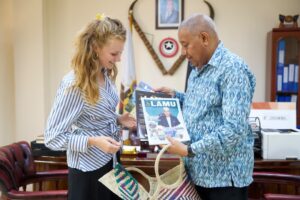
Institute of Chartered Shipbrokers (ICS) (Photo/ Courtesy)
By Andrew Mwangura
Email, thecoastnewspaper@gmail.com
The Bandari Maritime Academy (BMA) in Mombasa has achieved a remarkable milestone that promises to reshape the landscape of maritime education and training in Kenya and the broader East African region.
By securing accreditation as an examination center for the Institute of Chartered Shipbrokers (ICS), a globally respected professional body based in the United Kingdom, BMA has solidified its position as a beacon of excellence in shipping, maritime, and Blue Economy education.
This achievement is not merely a feather in the cap of the academy but a transformative step for Kenya’s maritime and logistics sector, opening doors for professionals and students to access world-class qualifications without the prohibitive costs and logistical burdens of traveling abroad.
For years, aspiring maritime professionals in East Africa faced significant barriers to obtaining internationally recognized certifications.
The ICS, widely regarded as the gold standard in commercial shipping, offers qualifications in critical areas such as shipbroking, chartering, maritime law, and logistics. These credentials are essential for individuals seeking to establish credibility and compete in the global shipping industry.
However, the requirement to travel overseas to sit for ICS examinations posed a daunting challenge for many, particularly due to the high costs of international travel, accommodation, and examination fees.
For a region striving to harness its maritime potential, this was a significant obstacle, limiting access to opportunities that could drive economic growth and professional development.
BMA’s new status as an ICS examination center changes this narrative. By enabling students and industry practitioners to sit for these prestigious exams locally in Mombasa, the academy has removed a critical barrier to professional advancement.
Dr Eric Katana, BMA’s CEO, aptly described this accreditation as a “game-changer” for Kenya’s maritime and logistics sector. His words carry weight, as the implications of this milestone extend far beyond the walls of the academy.
The ability to pursue ICS qualifications locally not only makes them more accessible but also aligns with Kenya’s broader ambitions to become a competitive maritime hub in the region. It is a strategic move that positions the country to capitalize on the growing opportunities within the Blue Economy.
The significance of this accreditation lies in its potential to empower a new generation of maritime professionals. The ICS qualification is more than just a certificate; it is a mark of excellence recognized by employers and industry leaders worldwide.

Professionals holding ICS credentials are equipped with the knowledge and skills to navigate the complexities of global trade, shipping operations, and maritime law. For Kenya, a nation with a strategic coastal location and a burgeoning port industry, fostering such expertise is critical.
The Port of Mombasa, one of East Africa’s busiest, serves as a gateway for trade across the region. By training a skilled workforce capable of meeting international standards, BMA is helping to ensure that Kenya remains competitive in a global industry that thrives on efficiency, expertise, and innovation.
Moreover, this accreditation enhances BMA’s role as a regional leader in maritime education. The academy has already established itself as a Center of Excellence, offering a range of programs tailored to the needs of the shipping and logistics sectors.
The addition of ICS examinations to its portfolio further cements its reputation as a one-stop destination for world-class training.
Students from neighboring countries such as Uganda, Tanzania, and Rwanda, who share access to Kenya’s maritime infrastructure, now have a compelling reason to choose BMA for their professional development. This not only boosts the academy’s regional influence but also fosters collaboration and knowledge-sharing across East Africa, strengthening the entire region’s maritime ecosystem.
The broader implications for Kenya’s Blue Economy cannot be overstated. The Blue Economy, encompassing sustainable use of ocean resources for economic growth, is a cornerstone of Kenya’s Vision 2030 development agenda.
From fisheries to maritime transport, the sector holds immense potential to drive job creation, foreign exchange earnings, and sustainable development. However, realizing this potential requires a skilled workforce capable of meeting global standards.
BMA’s accreditation as an ICS examination center directly supports this goal by equipping professionals with the expertise needed to navigate the complexities of international shipping and trade. Whether it’s negotiating chartering agreements or ensuring compliance with maritime regulations, the skills gained through ICS qualifications are indispensable for a thriving Blue Economy.
Dr. Katana’s emphasis on reducing costs and logistical challenges resonates deeply in a region where financial constraints often limit access to education. By bringing ICS examinations to Mombasa, BMA is democratizing access to opportunities that were once out of reach for many.
This move aligns with the academy’s mission to make maritime education inclusive and impactful. It also reflects a broader trend of localizing global standards, ensuring that Kenyans and East Africans can compete on an equal footing with their counterparts worldwide.
The ripple effects of this initiative will likely be felt for years to come, as graduates enter the workforce with credentials that open doors to international careers.
As Kenya continues to invest in its maritime infrastructure, including the expansion of the Port of Mombasa and the development of the Lamu Port-South Sudan-Ethiopia-Transport (LAPSSET) corridor, the demand for skilled professionals will only grow.
BMA’s accreditation ensures that the country is well-prepared to meet this demand. It is a testament to the academy’s commitment to excellence and its vision of transforming Kenya into a maritime powerhouse. By fostering a culture of continuous learning and professional growth, BMA is not only shaping the careers of individuals but also contributing to the nation’s economic aspirations.
In conclusion, the accreditation of Bandari Maritime Academy as an ICS examination center is a landmark achievement that heralds a new era for maritime education in East Africa. It is a bold step toward empowering professionals, strengthening the Blue Economy, and positioning Kenya as a leader in the global maritime industry.

As BMA continues to break barriers and set new standards, it is clear that the academy is not just training individuals—it is building a future where Kenya’s maritime potential is fully realized.
This milestone is a cause for celebration, not only for BMA but for all those who believe in the transformative power of education and opportunity.
The author is a policy analyst specializing in maritime governance and blue economy development.
About The Author