Kenya’s Infrastructure Gamble: Why Ceding Northern Corridor to China Spells Long-Term Trouble

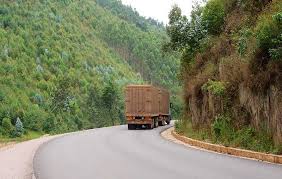
Trucks sailing through Northern corridor road.(photo/ Courtesy)
By Andrew Mwangura
Email, thecoastnewspaper@gmail.com
In the heart of East Africa, Kenya stands as a gateway to the continent’s landlocked nations, with the Northern Corridor serving as its vital lifeline.
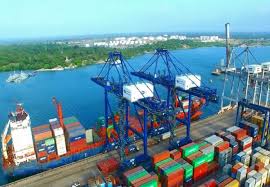
This sprawling network of roads, railways, and ports stretches from the bustling Mombasa harbor inland through Nairobi and beyond, facilitating trade for Uganda, Rwanda, South Sudan, and the Democratic Republic of Congo.
For years, Kenya has pursued ambitious infrastructure projects to modernize this corridor, aiming to boost economic growth and regional integration. Yet, the heavy reliance on Chinese funding has transformed what should be a story of progress into a cautionary narrative of dependency, debt, and diminished sovereignty.
As of 2025, recent developments suggest Kenya is on the verge of ceding operational control of key segments to Chinese entities, a move that could exacerbate the pitfalls of foreign-financed development and undermine national interests for generations.
The Standard Gauge Railway (SGR), a flagship project under China’s Belt and Road Initiative, exemplifies the seductive allure and hidden dangers of such partnerships. Launched with great fanfare in 2017, the SGR was intended to revolutionize transport along the Northern Corridor, replacing the colonial-era meter-gauge line with a modern, efficient alternative.
Financed primarily through $4.7 billion in loans from Chinese banks, the railway promised faster freight movement from Mombasa to Nairobi and eventually to the Ugandan border.
However, construction halted abruptly at Naivasha, 120 kilometers northwest of Nairobi, leaving the line stranded far from its intended transnational connections.
Dubbed a “railway to nowhere,” it has failed to deliver on its economic promises, with most freight trains returning empty to the coast and passenger services, while popular, insufficient to offset the mounting debt repayments.
Kenya now grapples with servicing these loans, which constitute nearly 20 percent of its external debt, amid a broader fiscal crunch that includes a looming $2 billion Eurobond maturity.
This incomplete project highlights the first major negative impact: the risk of ceding control over strategic assets.
Reports indicate that Kenya has already surrendered aspects of the Northern Corridor to Chinese oversight, including upgrades to the Rironi-Mau Summit Road, a critical artery in the corridor. Such concessions stem from debt obligations that favor Chinese firms in operations, maintenance, and even revenue sharing.
While outright seizures like the rumored takeover of Mombasa Port have been debunked as misinformation, the opacity of loan contracts fuels legitimate fears.
These agreements, often shielded from public scrutiny, include clauses that prioritize Chinese interests, such as mandatory use of Chinese contractors and materials, sidelining local businesses and labor.
If Kenya defaults—a plausible scenario given its debt distress—Chinese lenders could demand asset management rights or preferential access, effectively turning the corridor into a Beijing-controlled enclave.
This isn’t mere speculation; similar patterns have unfolded in Sri Lanka with the Hambantota Port, where debt led to a 99-year lease to China, eroding national autonomy.
Beyond sovereignty erosion, the pitfalls of relying on foreign funding for local infrastructure are manifold and deeply entrenched.
Chinese loans, while abundant and low-interest initially, come with strings that amplify economic vulnerabilities. Kenya’s experience with the SGR reveals how such projects can become white elephants: overbuilt, underutilized, and burdensome.
The railway’s cargo volumes have fallen short of projections, partly because neighboring countries like Uganda are pivoting to alternative routes through Tanzania, which offer cheaper, electrified options connecting to Rwanda and Burundi.
This shift diminishes the corridor’s regional dominance, costing Kenya potential transit revenues. Moreover, the debt burden diverts public funds from essential services like healthcare and education, fueling public discontent and economic inequality.
Inflationary pressures from repayment schedules have led to tax hikes, sparking protests and instability, as seen in recent anti-finance bill demonstrations.
Environmental and social costs further compound these issues. Hastily executed projects often bypass rigorous impact assessments, leading to habitat destruction and community displacements along the corridor.
Chinese-financed dams and roads have sparked controversies over water rights and biodiversity loss, with little accountability due to the lenders’ non-participation in international debt frameworks like the Paris Club.
Job creation, touted as a benefit, is illusory; most skilled positions go to imported Chinese workers, leaving Kenyans with menial roles and stifling technology transfer.
This dependency perpetuates a cycle where Kenya borrows to build, only to borrow more for maintenance, trapping the nation in a debt spiral that critics label “debt-trap diplomacy. While some analyses dismiss this as exaggerated, the evidence from Kenya’s ballooning obligations—now exceeding $70 billion in total external debt—suggests otherwise, with China holding a significant portion that could leverage influence over policy decisions.
The broader implications for Africa are stark. If Kenya cedes more control, it sets a precedent for other nations, allowing China to dominate key trade routes and extract resources with minimal reciprocity.
This neocolonial dynamic undermines the African Union’s push for self-reliance, as foreign powers dictate development agendas. Kenya’s corridor, once a symbol of pan-African connectivity, risks becoming a conduit for Chinese geopolitical ambitions, prioritizing Beijing’s export markets over local needs.
To avert this trajectory, Kenya must adopt prudent recommendations and advisories.
First, diversify funding sources by engaging multilateral institutions like the World Bank and African Development Bank, which offer transparent terms and capacity-building support. Prioritize public-private partnerships with domestic and regional investors to foster local ownership and skills development.
Second, enforce rigorous due diligence on all loans, mandating public disclosure of contracts to prevent hidden clauses that compromise sovereignty.
Third, focus on sustainable, demand-driven projects rather than grandiose schemes; conduct independent feasibility studies to ensure viability and integrate environmental safeguards. Invest in human capital through education and training programs to reduce reliance on foreign expertise.
Finally, negotiate debt relief collectively with other African nations, pressuring China to join global restructuring forums.
By heeding these steps, Kenya can reclaim control of its infrastructure destiny, transforming the Northern Corridor from a potential liability into a true engine of indigenous growth. The alternative—continued surrender to foreign whims—invites a future where Kenya’s arteries pulse not with national vitality, but with the rhythms of distant powers.
The author is a policy analyst specializing in maritime governance and blue economy development.
About The Author