Stakeholders Endorse EDE Phase II As Lamu Strengthens Resilience Through Coordinated Multi-agency Action
By The COAST Reporter
Email, thecoastnewspaper@gmail.com
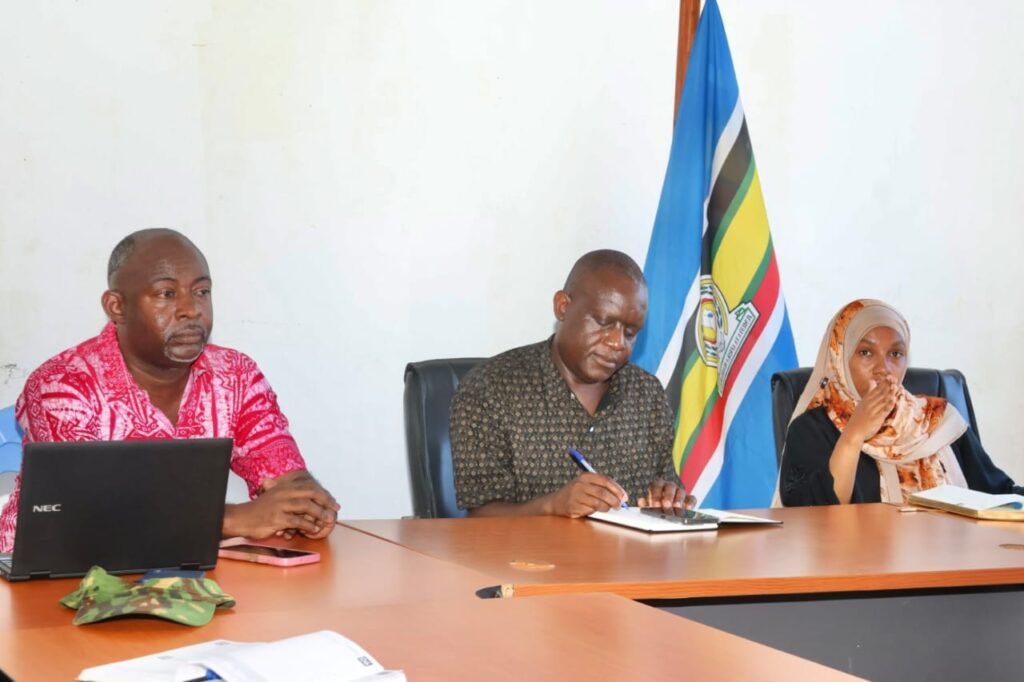
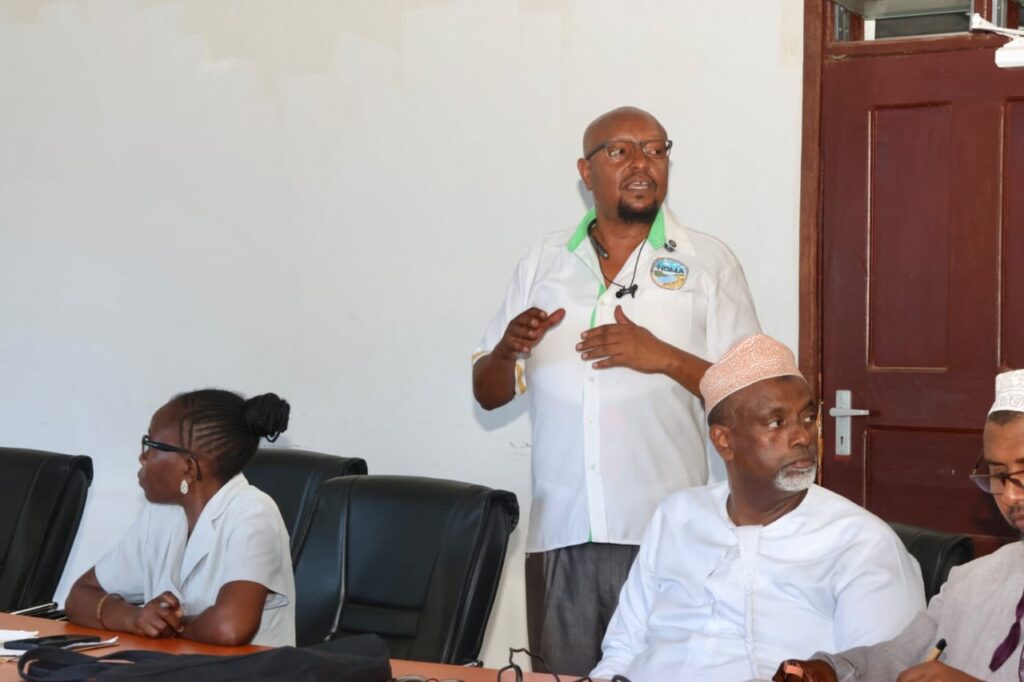
Lamu County today successfully convened a high-level County Steering Group (CSG) meeting to disseminate the Ending Drought Emergencies (EDE) Phase II framework.
This marks a significant step towards strengthening long-term resilience and coordinated disaster risk management across the county.
The meeting was co-chaired by lands, water, energe county executive committee member (CECM) Tashrifa Abubakar, and deputy county commissioner Nyongeaa under the secretariat of the National Drought Management Authority (NDMA).
It brought together a wide range of stakeholders including government agencies, development partners, humanitarian actors, and community representatives.
Advancing Resilience Through EDE Phase II
Stakeholders were taken through key components of the EDE Phase II framework, which focuses on transitioning from emergency drought response to sustainable, long-term resilience systems.
The framework prioritizes integrated approaches across key sectors including water access, food security, peacebuilding, climate adaptation, and institutional coordination.
Participants reaffirmed their commitment to strengthening collaboration under the CSG structure, recognizing it as a critical platform for coordinated planning, decision-making, and implementation.
Celebrating a Global Achievement: Kiunga Water Project
The meeting also served as a platform to celebrate Lamu County’s recent global recognition under the Water Transversality Global Awards, where the Kiunga Desalination and Water Management Initiative was honored as the Best Community Impact Project (2026).
The Kiunga project stands as a model of integrated, community-driven resilience. Initially triggered by severe water scarcity that escalated into resource-based conflicts, the issue was presented to the CSG for deliberation.
Through coordinated multi-agency action, the CSG approved peace dialogue forums alongside water interventions, including community-led water rationing systems and improved water access infrastructure.

These efforts significantly reduced conflict, enhanced social cohesion, and improved access to safe water in one of the county’s most fragile regions.
Leaders Applaud CSG Coordination and Call for Stronger Partnerships
Leaders and stakeholders at the meeting commended the role of the CSG in driving coordinated and impactful interventions across the county.
CECM Ms Abubakar, lauded the CSG for its effective coordination, noting that the achievements realized are a result of collective effort.
She reaffirmed the County Government’s commitment to sustaining and scaling the gains made:
“We appreciate the CSG team for their strong coordination. As a County, we remain committed to supporting and upscaling these achievements to reach more communities.”
Peacebuilding and disaster management director Shee Kupi emphasized the importance of partnerships citing the Kiunga award as clear evidence of what can be achieved through synergy:
“The Kiunga award demonstrates what we can achieve when institutions work together. We must strengthen partnerships and collaboration to sustain and scale this success.”
County drought coordinator Samuel Githae underscored the importance of adopting the EDE Phase II framework across all sectors:
“EDE Phase II is a game changer in building community resilience. We call on all stakeholders to adopt it and strengthen collaboration, especially at a time when drought financing is declining.”
Mr Charles Muthoka of World Vision, highlighted ongoing efforts to support fragile communities:
“Our entry into fragile areas such as Kiunga and Basuba is aimed at complementing peacebuilding efforts, which are essential for achieving sustainable stability.”
Representing border and refugee communities, Mr. Atik Mohammed, expressed appreciation on behalf of local residents:
“We thank the CSG for their timely interventions during periods of crisis caused by water scarcity. This award belongs to all of you—we dedicate it back to the CSG for standing with us during the most difficult times.”
Looking Ahead
As Lamu County moves forward with the implementation of EDE Phase II, stakeholders committed to scaling successful interventions such as the Kiunga model across other vulnerable areas, while strengthening systems that prevent crises and sustain peace.
The county reaffirmed its position as a leading example of how integrated, multi-sectoral approaches can effectively address drought, conflict, and climate-related challenges.
About The Author