KPA’s August Newsletter
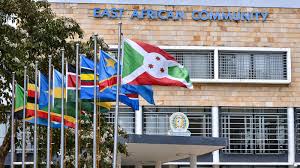
East Africa Community flags. (Photo/ Courtesy)
By Andrew Mwangura
Email, thecoastnewspaper@gmail.com
The Kenya Ports Authority (KPA)’s August newsletter unveils a series of transformative initiatives that signal a bold step forward for Kenya’s maritime sector.
From the adoption of an e-procurement system to the ambitious integrated maritime and inland water transport system (IMTS) and the handover of the Shimoni Fish Port, these developments reflect KPA’s commitment to modernization, efficiency, and economic growth.
Beyond their immediate impact, these initiatives hold profound significance for regional economic blocks, the African Continental Free Trade Area (AfCFTA), the LAPSSET Corridor, the Northern Corridor, and the strategic ports of Mombasa and Lamu.
Together, they position Kenya as a pivotal player in East Africa’s economic landscape, with ripple effects that could reshape trade and connectivity across the continent.
The introduction of the e-procurement system marks a significant leap toward transparency and operational efficiency.
By digitizing procurement processes, KPA aims to streamline supply chains, reduce costs, and enhance accountability—a move that resonates deeply in today’s trade-driven world.
For regional economic blocks like the East African Community (EAC) and the Common Market for Eastern and Southern Africa (COMESA), this initiative promises smoother trade flows and a more competitive business environment.
It aligns seamlessly with AfCFTA’s vision of a unified African market, offering a blueprint for how technology can dismantle trade barriers and boost intra-African commerce.
For the ports of Mombasa and Lamu, efficient procurement translates into faster turnaround times and greater appeal to international traders, cementing their status as vital gateways.
While less directly tied to the LAPSSET and Northern Corridors, the system’s efficiency gains can still enhance the broader logistics ecosystem these corridors rely on, ensuring goods move swiftly from port to hinterland.
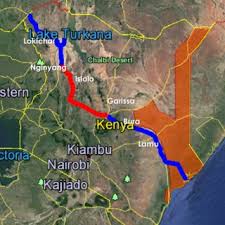
Equally transformative is the IMTS, an initiative poised to revolutionize maritime and inland water transport across Kenya’s coastal and inland regions, including Lake Victoria, Lake Turkana, and the coast.

By integrating these waterways into a cohesive, tech-driven network, KPA is enhancing connectivity, safety, and sustainability—key pillars of Kenya’s Vision 2030 and Blue Economy strategy.
This system’s importance to regional economic blocks and AfCFTA cannot be overstated. Improved water transport strengthens Kenya’s role as a logistics hub, facilitating trade within the EAC and beyond, while supporting AfCFTA’s goal of seamless goods movement across Africa.
For the LAPSSET Corridor, linking Kenya to Ethiopia and South Sudan, and the Northern Corridor, connecting Mombasa to Uganda, Rwanda, Burundi, and the Democratic Republic of Congo, IMTS offers a complementary network that decongests roads, cuts costs, and provides alternative routes.
The ports of Mombasa and Lamu stand to benefit immensely, as enhanced inland connectivity boosts cargo volumes and reinforces their strategic value.
The handover of the Shimoni Fish Port adds another layer to KPA’s vision. Equipped with modern processing and storage facilities, this port is set to revitalize the fisheries sector, create jobs, and drive local economic growth.
Its significance extends to regional food security and economic diversification—prior|_{\ priorities for the EAC, COMESA, and AfCFTA. A thriving fisheries value chain reduces reliance on traditional commodities and fosters resilience, a boon for trade blocs and continental markets alike.
While its direct impact on the LAPSSET and Northern Corridors is limited, Shimoni’s role as a specialized port eases pressure on Mombasa and Lamu, allowing them to focus on diverse cargo types and handle increased trade volumes more effectively.
The newsletter also highlights the orientation tour of KPA’s new board directors, a subtle yet crucial nod to governance. By immersing themselves in port operations, these leaders underscore KPA’s dedication to informed decision-making—a foundation for sustaining these initiatives.
This focus on leadership strengthens confidence in KPA’s ability to deliver on its promises, a critical factor for regional and international stakeholders.
In essence, KPA’s August newsletter is a declaration of intent. These initiatives—e-procurement, IMTS, and Shimoni Fish Port—are not mere operational upgrades; they are catalysts for economic transformation.
They enhance Kenya’s connectivity and competitiveness, offering tangible benefits to regional economic blocks, AfCFTA, and key corridors like LAPSSET and the Northern Corridor.
For Mombasa and Lamu, they promise greater efficiency and capacity, solidifying their roles as trade linchpins. As KPA forges ahead, it sets a compelling example for Africa, proving that strategic vision and technological innovation can unlock the maritime sector’s vast potential, driving prosperity far beyond Kenya’s shores.
The author is a policy analyst specializing in maritime governance and blue economy development.
About The Author