Reimagining Tudor Creek: Blueprint for Sustainability Through East African Ocean Festival

Tudor Creek. (Photo/ Courtesy)
By Andrew Mwangura
Email, thecoastnewspaper@gmail.com
Last year’s East African Ocean Festival (TEAOF) launched the “Reimagining Our Waterfronts” (ROW) initiative, igniting a vision to transform Mombasa’s Tudor Creek into a thriving hub of sustainable development, coastal heritage, and marine conservation.
As we gear up for the 2025 festival from August 23rd to 25th, we build on this momentum to turn vision into lasting impact.
Tudor Creek, a vital artery connecting five of Mombasa’s six sub-counties, carries a rich legacy of fishing, sailing, and community life. Yet, pollution, neglect, and coastal erosion have dimmed its sparkle.
Through ROW, TEAOF calls for collective action to restore the creek’s ecological and cultural vitality, with a special focus on mangrove restoration and sustainable tourism. Every one of us has a role in this transformation.
The ROW initiative unites communities, businesses, governments, and conservationists to reimagine Tudor Creek as a model of sustainable waterfront development.
Last year’s festival at Fort Jesus showcased its potential through swimming galas, cultural displays, and mangrove planting drives, rekindling memories of the creek’s vibrant past.
Partnerships with the Mombasa County Government, National Museums of Kenya, and local hotels amplified these efforts.
This year, TEAOF expands with events like the Camel Beach Race Derby on July 20th at Nyali Beach and a major mangrove restoration initiative on September 4th at Dongo Kundu.
These activities blend celebration with stewardship, ensuring Tudor Creek thrives as an economic and ecological asset.
Mangrove restoration is at the heart of this vision. Mangroves, nature’s guardians of coastal ecosystems, protect against erosion, sequester carbon, and nurture marine biodiversity.
Tudor Creek’s mangroves have dwindled due to urban sprawl and pollution, threatening fish populations and shoreline stability.
TEAOF’s restoration drives, inspired by successful models like Indonesia’s mangrove replanting programs, aim to reverse this.

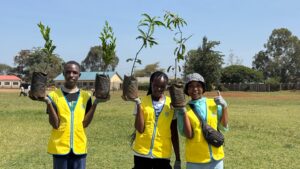
Community-led planting, supported by organizations like the Kenya Forest Service, can restore degraded areas. For example, last year’s efforts saw hundreds of seedlings planted, with plans to scale up in 2025.
These initiatives not only combat climate change but also create jobs, as seen in global blue-carbon projects where locals are trained as mangrove stewards.
Sustainable tourism is equally critical.
Tudor Creek’s Swahili heritage—dhow races, traditional fishing, and coastal cuisine—offers untapped potential for eco-friendly tourism.
Strategies like those in Costa Rica, where community-based ecotourism thrives, can guide Mombasa. Kayak tours, birdwatching, and guided mangrove walks can attract visitors while preserving ecosystems.
Local businesses, especially hotels, should adopt green practices, such as waste reduction and solar energy, to minimize environmental impact. TEAOF’s Golf Tournament By Ocean on September 20th exemplifies how events can draw tourists while promoting conservation.
The Mombasa County Government must integrate these activities into its tourism calendar, as pledged, and regulate to prevent overexploitation, ensuring tourism benefits locals without harming the creek.
Challenges remain—sewage and solid waste pollute the creek, and underinvestment limits progress, as TEAOF co-founder Hamisi Mwaguya notes.
Yet, these are opportunities for innovation. Japan’s Kobe waterfront, revitalised through human-centered planning, shows how Mombasa can balance growth and conservation.
Individuals can contribute by joining beach cleanups, volunteering for mangrove planting, or advocating for policies that incentivise blue-carbon initiatives.
Youth engagement, through TEAOF’s ocean-focused programs, counters social challenges like drug abuse by offering purpose-driven activities.
Businesses can invest in waste management and eco-tourism ventures, while schools can partner with TEAOF to teach sustainable fishing and conservation.
The Mama Ngina Waterfront Park, with its sustainable design, offers a local model for inclusive, resilient public spaces.

The East African Ocean Festival and ROW initiative are a movement to restore Tudor Creek’s ecological and cultural glory. By championing mangrove restoration, embracing sustainable tourism, and fostering collaboration, we can ensure the creek thrives as a beacon of heritage, economic vitality, and environmental health.
Let us act—plant a seedling, promote eco-tourism, advocate for change—and make Tudor Creek a legacy of pride for generations.
The author is a policy analyst specialising in maritime governance and blue economy development.
About The Author