Reclaiming Our Narrative: Imperative of Local Historical Scholarship on Kenya’s Coast

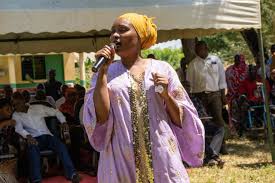
Students at Kwale Girls in Kwale County. (Photo/ Courtesy)
By Andrew Mwangura
Email, thecoastnewspaper@gmail.com
The assertion that Kenya’s coastal communities must take ownership of their historical narrative strikes at the heart of a fundamental challenge facing marginalized regions across Africa.
When external scholars dominate the interpretation of a people’s past, the consequences extend far beyond academic discourse into the realms of policy, identity, and political representation.
The coastal region of Kenya presents a compelling case study of how historical narrative shapes contemporary reality.
For decades, the story of the coast’s diverse communities – the Swahili, Mijikenda, Pokomo, and Taita Taveta peoples – with their rich cultural heritage and complex ethnic composition has been filtered through the lens of foreign researchers whose cultural distance from their subjects inevitably colours their interpretations.
While these scholars may possess technical expertise and methodological rigor, they often lack the nuanced understanding that comes from lived experience within these communities.
This external dominance in historical scholarship has created a dangerous vacuum in local intellectual authority.
When communities cannot speak authoritatively about their own past, they lose agency in defining their present circumstances and future aspirations.
The stereotypes and biases that emerge from outsider perspectives become institutionalized through academic publications, policy documents, and eventually, popular understanding.
The political implications of this scholarly colonialism cannot be understated. National leadership’s perception of coastal communities has been shaped by decades of research that often emphasizes difference, otherness, and marginality rather than contribution, resilience, and integration.
These narratives have contributed to the region’s political and economic marginalization, creating a self-reinforcing cycle where misrepresentation leads to neglect, which in turn validates the original mischaracterization.
However, the call for local scholarship must be tempered with recognition of the challenges involved. Developing indigenous research capacity requires substantial investment in education, institutional support, and academic infrastructure.
Local scholars need access to archives, funding for research, and platforms for publication that can compete with established international academic networks. The process of building this capacity cannot happen overnight, nor can it occur in isolation from global scholarly discourse.

The solution lies not in wholesale rejection of external scholarship but in creating a more balanced and collaborative approach.
Local researchers must be positioned as primary interpreters of their own history, with international scholars serving as partners rather than authorities.
This requires a fundamental shift in how research is conceived, funded, and executed in the region.
Educational institutions along the coast must prioritize the development of history, anthropology, and archaeology programs that emphasize local expertise and community engagement.
Universities should establish partnerships with community elders, cultural practitioners, and local intellectuals who possess invaluable oral histories and cultural knowledge that formal academic training alone cannot provide.
The urgency of this endeavor becomes clear when considering the rapid pace of cultural change and the passing of elderly community members who serve as living repositories of historical memory.
Each generation that passes without systematic documentation and interpretation of local history represents an irreplaceable loss of perspective and understanding.
Furthermore, the digital age presents unprecedented opportunities for local communities to document and disseminate their own narratives.
Social media platforms, community websites, and digital archives can serve as vehicles for sharing authentic stories that challenge established stereotypes and provide alternative interpretations of historical events.
The argument for local historical ownership extends beyond mere academic pride to questions of social justice and political empowerment. When communities control their narrative, they gain the authority to challenge policies and attitudes that perpetuate marginalisation.
They can present evidence-based arguments for resource allocation, political representation, and cultural recognition that draw on their own understanding of their historical contributions and contemporary needs.
The path forward requires immediate action on multiple fronts. Local governments must invest in research institutions and scholarship programs that prioritize coastal history.
Community organizations should document oral histories before they are lost forever. Educational curricula must be revised to include locally-produced historical content that reflects the complexity and richness of coastal heritage.

The stakes of this intellectual liberation cannot be overstated. Without local ownership of historical narrative, coastal communities will remain subject to the interpretations and agendas of others, perpetually fighting against misrepresentation rather than building from a foundation of authentic self-understanding.
The time for passive acceptance of external authority over local history has passed.
The author is a policy analyst specialising in maritime governance and blue economy development.
About The Author