A Moral Shipwreck: The Scandal of Seafarer Abandonment
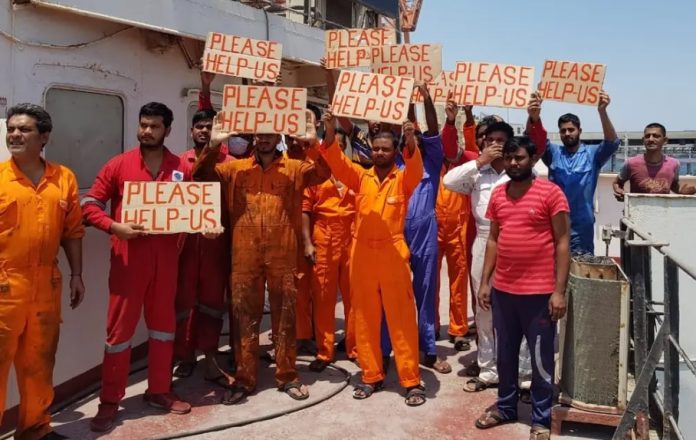
Abandoned Seafarers by Shipowners (Photo/Courtesy)
By Andrew Mwangura
Email, thecoastnewspaper@gmail.com
The maritime industry stands condemned by its own conscience. Last year, the practice of seafarer abandonment—leaving crew stranded without pay, support, or a way home—reached a shameful zenith.
In 2025, a staggering 6,233 mariners were abandoned on 410 vessels globally, marking the sixth consecutive record year for vessel abandonments and the fourth for crew cases.
As the International Transport Workers’ Federation (ITF) has declared, this situation is “nothing short of a disgrace.” They are right.
These numbers are not metrics; they are human beings. Each figure represents a worker trapped in limbo, deprived of wages, adequate food, and hope. These are the very men and women who sustain the flow of global trade, sacrificed by an industry built on their labor.
The immediate hardship is immense, but so is the symbolic betrayal: it reveals what the industry truly values, and it is not its people.
The financial brutality is captured in owed wages—$25.8 million in 2025 alone. While the ITF recovered $16.5 million, nearly $10 million remains stolen from those who have already suffered the trauma of abandonment.
This is more than lost income; it is families destabilized, contracts nullified, and trust in a system of international law obliterated.
“In 2025, we’ve yet again seen the worst year on record,” said ITF General Secretary Stephen Cotton. “But this isn’t just a story about numbers. These are the people who keep our economy moving, forced into desperate situations far from home.”
His statement underscores the core truth: abandonment is a profound humanitarian crisis, not a clerical error.
A geographic pattern of impunity emerges. The Middle East ranks as the worst region, followed by Europe. Turkey (61 cases) and the United Arab Emirates (54) are stark examples, indicating that abandonment flourishes where oversight is lax and accountability is a fiction.
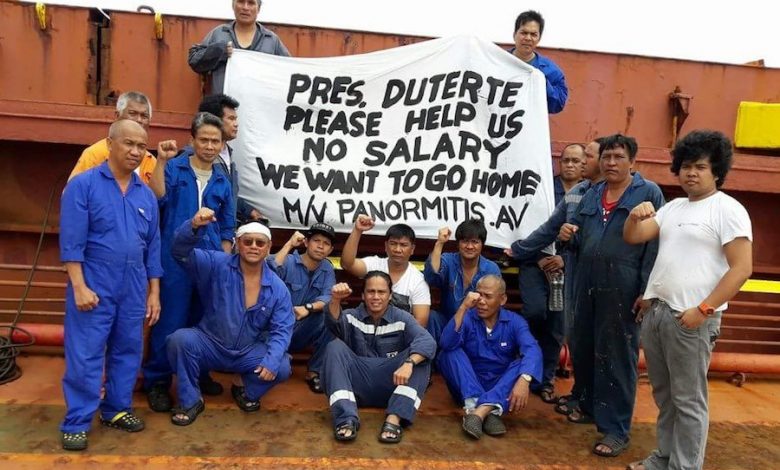
Even more damning is the role of “flags of convenience.” These loosely administered registries accounted for 82% of all abandonment cases—337 vessels in 2025. This is not chance; it is causation.
Abandonment is the direct result of regulatory frameworks engineered for minimal oversight and maximum owner anonymity. When a flag state offers a cloak rather than scrutiny, desertion becomes a viable business tactic.
The nationality of abandoned seafarers adds a layer of injustice. Indian nationals bore the heaviest burden (1,125 crew), as they did in 2024, followed by Filipinos (539) and Syrians (309).
This disparity begs a grim question: do shipowners coldly calculate that workers from certain nations can be abandoned with relative impunity?
Legally, the Maritime Labor Convention clearly defines abandonment as the failure to pay wages for two months, cover repatriation costs, or provide essential support. Yet this international treaty is rendered hollow by catastrophic enforcement failures.
The chasm between legal standard and lived reality is the signature failure of the global maritime order.
The ITF rightly demands that the International Maritime Organization (IMO) assume a powerful coordinating role to eradicate this scourge. “The IMO must be given more power… Enough is enough,” Cotton asserts.
Voluntary measures and fragmented national actions have proven utterly inadequate for a borderless crime.
A glimmer of hope appeared late in 2025 when India announced “blacklisting measures” against ships with records of serial abandonment. The ITF urges other labor-supplying nations to follow suit, creating national blacklists to shield their citizens from known predators. Such direct action could finally impose a cost on the crime of abandonment.
The federation also advocates for fundamental reform: flag states must be compelled to log verifiable beneficial ownership details as a condition of registration. This simple step would pierce the corporate veils that allow owners to vanish.
The upcoming IMO Legal Committee meeting in April is a critical juncture. It must produce binding action, not more expressions of concern.
Complementary efforts, like the U.S. Federal Maritime Commission’s scrutiny of rogue registries, show that government pressure can bolster international reform.
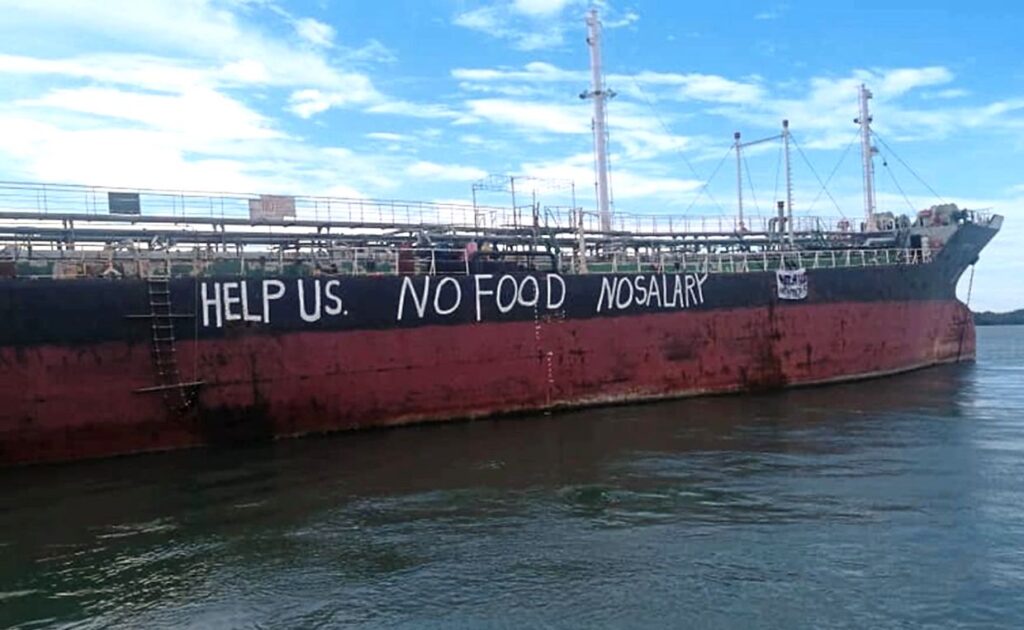
Ultimately, responsibility rests with flag states. Under IMO regulations, they are liable when owners default. The relentless rise in abandonment proves this duty is observed almost solely in the breach. Without enforceable consequences for negligent flag states, the trajectory will only worsen.
As David Heindel, Chair of the ITF Seafarers’ Section, starkly put it: “It’s nothing short of a disgrace that, yet again, we are seeing record numbers of seafarers abandoned.” The industry is adrift in a moral void. Until it summons the will to end this disgrace, it remains complicit in the shipwreck of its own humanity.
Mr. Mwangura, an independent maritime consultant, is the former Secretary General of the Seafarers Union of Kenya (SUK).
About The Author