The Fragility of Floating Palaces: A Crisis in Cruise Ship Reliability

Norwegian Jade.(Photo/ Courtesy)
By Andrew Mwangura
Email, thecoastnewspaper@gmail.com
The modern cruise industry has built its empire on a promise of seamless luxury, selling dreams of effortless escapes to passengers willing to pay premium prices for floating resort experiences.
Yet behind the polished veneer of champagne receptions and midnight buffets, a troubling pattern has emerged that threatens the very foundation of this billion-dollar sector.
Cruise ships, including vessels barely out of their infancy and some fresh from the shipyard, are experiencing mechanical breakdowns, electrical failures, and software malfunctions at rates that should alarm both industry executives and the traveling public.
When the Queen Mary 2, a mere twenty-two years into service, suffers operational issues, or when brand-new vessels require emergency repairs that force itinerary cancellations, we must confront an uncomfortable reality about the reliability of these technological marvels and what it means for the future of cruise tourism.
The comparison to cargo shipping reveals the unique vulnerability of the cruise sector.
When a container ship breaks down mid-ocean, it creates logistical headaches and potential financial penalties from charterers, but the cargo itself remains indifferent to the delay.
Steel containers and bulk commodities do not post angry reviews on social media, demand compensation, or swear never to ship their goods again. Cruise passengers, however, are paying customers whose entire vacation hangs in the balance with every mechanical hiccup.
A canceled port visit is not merely an operational adjustment but a broken promise, a wedding anniversary ruined, a once-in-a-lifetime trip transformed into days of floating frustration.
The reputational damage from such failures spreads instantly across digital platforms, creating a cascade effect that can devastate bookings and erode carefully cultivated brand value in ways that cargo operators never experience.
What makes the current situation particularly perplexing is that these failures are occurring despite unprecedented technological sophistication and investment in both equipment and human expertise.
Modern cruise ships represent some of the most complex engineering projects humans undertake, integrating propulsion systems, power generation, water treatment, climate control, and information technology networks that would rival small cities.
These vessels employ highly qualified engineers, technicians, and officers commanding salaries that reflect their specialized skills.
Many cruise lines have established elaborate shore-based monitoring systems where teams of experts track vessel performance in real-time, theoretically able to predict and prevent problems before they cascade into operational failures.
Yet the breakdowns continue, suggesting that complexity itself may be part of the problem rather than the solution. When systems become sufficiently intricate, the interactions between components create failure modes that no amount of monitoring or expertise can fully anticipate or prevent.
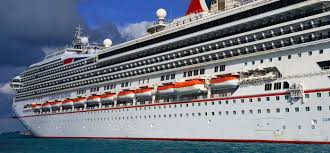
The age question deserves particular scrutiny. Traditional passenger vessels were built with the expectation of forty-year operational lifespans, engineered for durability and designed with redundancy that assumed decades of hard service.
Today’s cruise ships, however, are experiencing significant problems well before reaching even half that age. Some vessels less than twenty years old are suffering from what should be considered premature aging, while others fresh from the builder’s yard arrive with teething problems that extend far beyond the expected shakedown period.
This raises fundamental questions about construction standards, design philosophies, and whether the rush to pack ever more amenities and technological features into these vessels has compromised their fundamental reliability.
When profit margins drive decisions to maximize passenger capacity and onboard revenue opportunities, perhaps the unglamorous but essential aspects of mechanical integrity and operational resilience receive insufficient attention during the design phase.
The business model of cruise tourism makes these reliability issues particularly dangerous for the industry’s long-term viability. Unlike other forms of travel where passengers can switch airlines, rebook hotels, or adjust their plans with relative ease, cruise passengers are captive once they board.
When something goes wrong at sea, there is no alternative, no competitor to switch to, no way to simply walk away from the experience. This creates an intensity of dissatisfaction that few other leisure industries must face.
A passenger trapped on a disabled ship, watching their carefully planned vacation dissolve into tedium (what’s this?) and inconvenience, becomes not just a dissatisfied customer but potentially an active enemy of the brand and the industry itself.
These individuals return home with stories that spread through families, workplaces, and social networks, creating a deterrent effect far beyond their individual experience.
The parallel to land-based tourism that you raise cuts to the heart of the matter. When passengers begin to fear that their cruise might transform from a luxury escape into a maritime ordeal, the psychological foundation of the product erodes.
Tourism of all kinds depends on confidence, on the belief that the experience will meet or exceed expectations, that safety and comfort are assured.
Once that confidence fractures, rebuilding it requires years of flawless performance, something that appears increasingly difficult for cruise lines to deliver.
If passengers start asking themselves whether they really want to risk days at sea on complicated machines that seem prone to failure, with no easy escape if things go wrong, the industry faces an existential threat that no amount of marketing can overcome.
The cruise industry stands at a crossroads. It can continue on its current trajectory, hoping that passengers will tolerate occasional breakdowns as the cost of affordable luxury, relying on discounts and compensation packages to mollify the disappointed.
Or it can fundamentally reassess its approach to ship design, maintenance, and operational philosophy, prioritizing reliability over feature proliferation, investing in simpler and more robust systems even if they seem less impressive in the brochure.
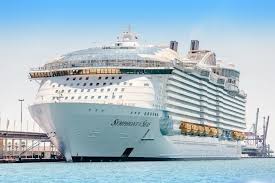
The second path requires courage and long-term thinking that may not align with quarterly earnings pressures, but it represents the only sustainable future for an industry built on trust.
Cruise lines have spent decades convincing people to venture onto the open ocean for pleasure.
If they cannot deliver on the basic promise that their ships will actually work as intended, they risk discovering just how quickly passengers can fall out of love with the sea.
Mr. Mwangura, an Independent Consultant, is former SUK Secretary General
About The Author