Africa Must Seize Its Rightful Place in the Global Shipping Industry

China Port. (Photo/ Courtesy)
Andrew Mwangura
Email, thecoastnewspaper@gmail.com
The global shipping industry faces a paradox that should trouble us all. While maritime companies worldwide lament a chronic shortage of seafarers, thousands of qualified young Africans—graduates of institutions such as the Technical University of Mombasa and the Bandari Maritime Academy—remain stranded onshore, unable to secure the cadetships and entry-level positions that would launch their careers.
Families invest precious resources in technical education, believing in the promise of a profession that carries 90 percent of world trade, yet their children find themselves locked out of an industry that claims to be desperate for their skills.
This is not simply an economic failure; it is a moral contradiction that demands urgent attention from African governments, regional institutions, and the international shipping community.
Africa stands at a historical inflection point. For generations, the continent has supplied raw materials and low-wage labor to the world.
Today, it has the potential to supply something far more valuable: highly trained technical professionals who command respect, opportunity, and fair compensation. The global shipping industry—facing seafarer shortages estimated in the tens of thousands and projected to worsen—offers precisely this pathway. Africa can and must position itself not as a source of expendable labor, as in the darkest chapters of history, but as a hub of skilled maritime technocrats whose expertise is indispensable.
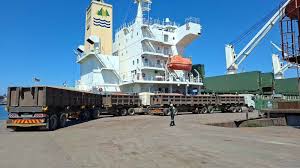
To unlock this opportunity, African governments must lead boldly. Nations such as the Philippines and Indonesia did not become dominant seafarer suppliers by luck. They succeeded through deliberate policy: negotiating bilateral labor agreements, ensuring high training standards, and protecting their citizens’ welfare at sea. African countries must adopt an equally assertive strategy. Transport and labor ministries should be negotiating employment quotas, fair wage frameworks, and enforceable working conditions with major shipping nations and companies. Regional coordination is essential. Instead of allowing individual African seafarers to navigate a market biased toward established maritime nations, governments should convene continental and regional summits to craft a unified, powerful bargaining position.
Maritime training institutions across the continent must also confront and correct perceptions about the quality of African training. Whether justified or not, many shipping companies assume that graduates from Mombasa or Lagos do not match those from Manila or Mumbai. This bias must be dismantled through demonstrable excellence. Institutions should pursue international accreditation, invest in state-of-the-art simulators, and forge partnerships with leading academies in Europe and Asia. Sending top instructors abroad for advanced training, inviting external assessors, and building exchange programs for cadets will help embed global best practices. In a conservative industry like shipping, documented excellence is the only currency that guarantees recognition.
African maritime graduates themselves must adopt a more strategic and entrepreneurial mindset. Rather than waiting for opportunities to surface through traditional channels, young professionals should organize collectively—creating professional associations, maintaining searchable databases for international recruiters, and leveraging digital platforms to connect with crewing agencies and ship managers. Some may need to begin on smaller vessels or with less prestigious employers simply to build sea time and earn the recommendations that open doors. Others should consider specialized training in high-demand sectors such as LNG carriers, offshore support vessels, and cruise operations, where shortages are acute and opportunities more accessible. Africa’s legendary entrepreneurial spirit must be directed toward purposeful career development in maritime fields.
Continental bodies also have a critical role to play. The African Union and regional economic communities should harmonize certificate recognition, coordinate advocacy at the International Maritime Organization, and negotiate collectively with global shipping associations. Africa’s 54 nations possess enormous seafaring potential, but only a unified front can prevent them from b feing played against one another by cost-driven shipowners.
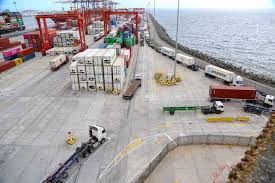
The international maritime community, too, must confront its own contradictions. Shipping companies cannot credibly complain about labor shortages while ignoring an entire continent of qualified graduates. Those serious about solving crewing challenges should partner with African training institutions, sponsor cadetships, and actively recruit on the continent rather than relying on the same narrow labor pools year after year.
Africa’s maritime moment has arrived. The only question is whether African governments, institutions, and young professionals will seize it with the strategic coordination and seriousness it deserves—or whether yet another generation will watch ships sail past their shores, crewed by others.
The writer is a policy analyst specializing in maritime governance and blue economy development
About The Author