Kenya Committed to collaborate with member states to Root out Maritime Threats
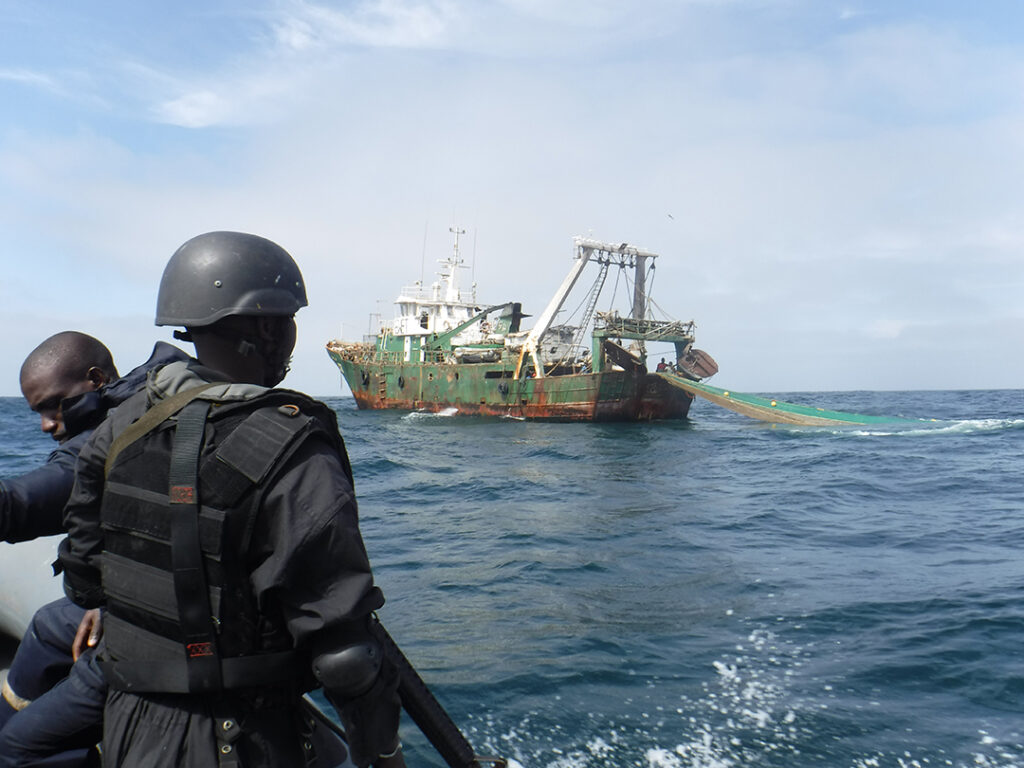
Navy officer monitoring a vessel. (Photo By George Otieno)
By George Otieno
Email, thecoastnewspaper@gmail.com
Kenya has reaffirmed its commitment to collaborate with member states to address maritime threats and combat sea-based crimes.
Speaking on Monday, 1st September, 2025 at an inaugural workshop on the establishment of the Djibouti Code of Conduct (DCOC) working group on operational coordination and cooperation at sea, major general Paul Otieno stressed Kenya’s readiness to provide operational, institutional and diplomatic support to enhance regional maritime cooperation in a meeting held at Serena Beach Hotel in Mombasa.
“Let us be bold in our ideas, clear in our commitments, and united in our resolve,” he urged calling on signatory countries to persist in making the seas safer and more secure.
He stressed the importance of meeting the expectations outlined in the DCOC to secure maritime domains as envisioned by individual member states.
Otieno identified piracy, illegal fishing, smuggling, and environmental degradation as persistent challenges affecting the maritime sector.
He reaffirmed the Kenya Navy’s commitment to protecting the country’s maritime sovereignty while safeguarding sea lines of communication and supporting national and regional security operations.
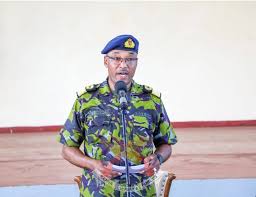
“We are deeply aware that no single nation can secure the seas alone. It is through cooperation, operational capability, and mutual trust that we can effectively respond to the complex and evolving threats in the Western Indian Ocean and beyond,” he added.
The Djibouti Code of Conduct, established in 2009 and strengthened by the Jeddah Amendment in 2017, provides a robust framework for regional cooperation in combating piracy and other illicit maritime activities.
Its core objectives—enhancing information sharing, strengthening maritime law enforcement, and building capacity for coordinated operations—remain highly relevant.
Kenya Navy fleet commander Brigadier Mohammed Shemote expressed gratitude to international partners, including the government of Kenya, the Kingdom of Denmark, Interpol, the EU, AFRICOM, and others, for their unwavering guidance and technical support in establishing the working group.
“Securing the maritime sector is a shared responsibility,” he reiterated.
Mr Sascha Weh, head of the United Nations Institute for Training and Research (UNITAR) Peace Office in Brussels, welcomed the formation of the working group, noting that training and exercises have significantly enhanced the operational capabilities of coast guards, navies, and civilian authorities in member states.
He stressed the need for greater resolve and concerted efforts to address emerging maritime challenges before they impact land-based stability.

“While piracy incidents have declined, renewed attacks in the Red Sea, illegal fishing, smuggling, and environmental risks demonstrate that instability at sea quickly translates to instability on land.”
Tanzania’s representative called for increased joint patrols to curb illegal fishing, identifying it as one of the region’s most pressing maritime challenges.
About The Author