Money and Religious Influence Distorting Kenya’s Democracy Ahead of 2027 Polls

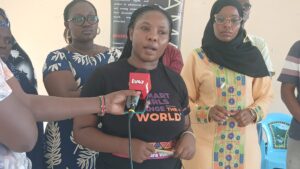
Bishop Dr. Peter Mwero Chairperson NCCK Coast Region addressing the media. (Photo By Caroline Katana)
By Caroline Katana
Email, thecoastnewspaper@gmail.com
A National Council of Churches in Kenya countrywide study has raised concerns over the growing influence of money and religion in shaping Kenya’s democratic process warning that economic hardship was making many voters particularly young people more vulnerable to political manipulation ahead of the 2027 general election.
The findings, presented during a stakeholders’ forum in Kwale County, indicate that vote buying, the politicisation of religious spaces and the recruitment of unemployed youth into politically sponsored violence are emerging as significant threats to credible elections and democratic governance.
The study, conducted across all NCCK regions through individual interviews and focus group discussions, was commissioned in the aftermath of the Gen Z-led protests against the Finance Bill to examine the factors influencing citizens’ political choices and democratic participation.
Speaking during the release of the findings at PEFA church, the NCCK Coast region chairperson Bishop Dr Peter Mwero said the research showed that financial inducements and religious influence continue to shape electoral decisions in many parts of the country often at the expense of integrity and accountability.
“Many citizens make electoral choices based on money or religious influence instead of leadership qualities and public interest. That weakens democracy and undermines good governance,” he said.
According to the bishop the findings point to rising unemployment and economic hardship as key drivers that leave young people susceptible to political exploitation with some politicians using cash to influence voters or recruit youth to disrupt political meetings.
The cleric expressed concern over the increasing use of churches as campaign platforms saying some political leaders attend religious events primarily to gain visibility and solicit support.
“Places of worship should never become transactional spaces where donations are exchanged for political endorsement. The church must remain an independent moral voice that speaks for justice, truth and accountability,” he said.
The bishop urged Kenyans to elect leaders based on integrity, competence and their commitment to public service rather than short-term financial incentives.
He called for stronger oversight of campaign financing, including greater transparency on the sources of campaign funds.
On political violence, he condemned the recruitment of youth into organised gangs to disrupt political activities warning that while politicians often reconcile after elections, communities are left to deal with lasting divisions and insecurity.
“Youth should reject being used as instruments of violence and instead register as voters and participate peacefully in shaping the country’s future,” he said.
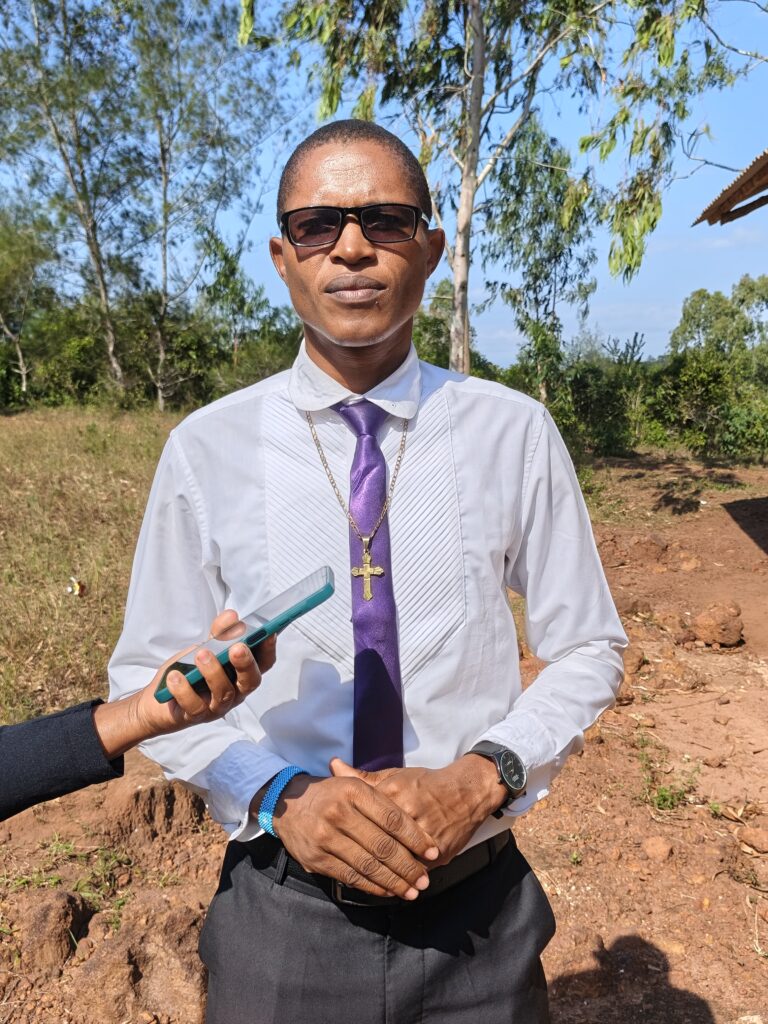
Anglican Church of Kenya Mombasa diocese reverend Opondo Oluoch, and youth representative in the NCCK Kwale County coordinating committee, urged the young people to make independent political decisions despite economic pressures and to pursue leadership opportunities instead of allowing themselves to be manipulated by politicians.
“As young people, we should not allow money to determine our vote. Our decisions must reflect the future we want for ourselves and for generations to come,” he said.
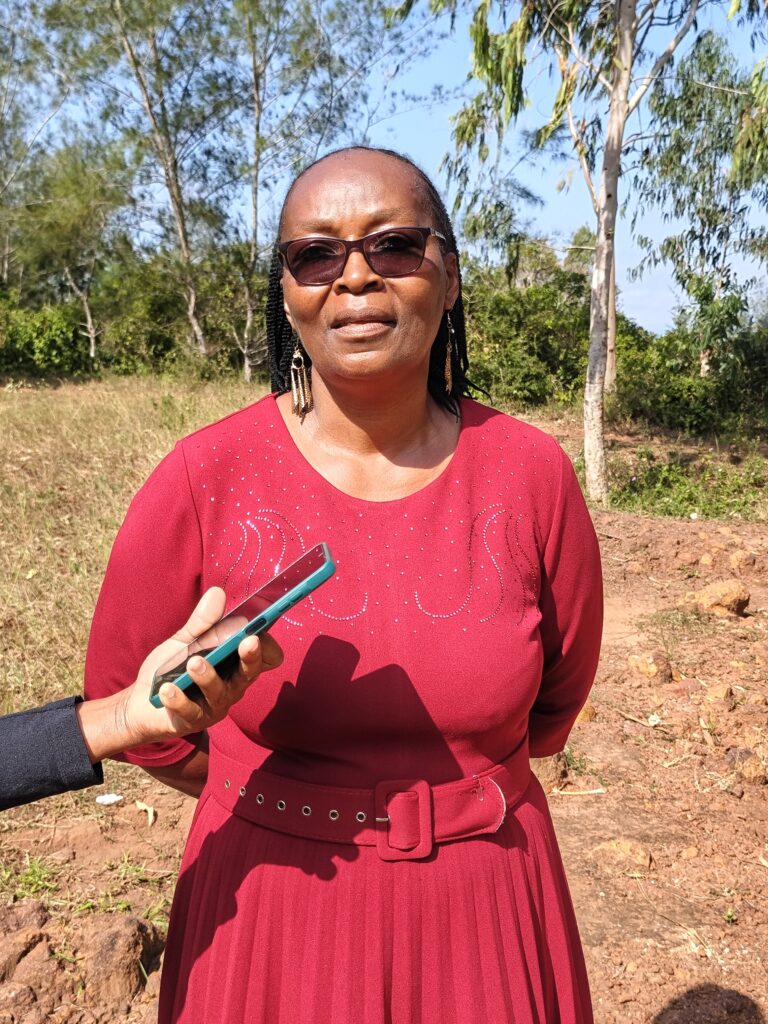
Peninah Mwanyoha Ndegwa, treasurer of the NCCK Kwale County coordinating committee and a member of the Methodist Church in Kenya, said the findings had reminded churches of their responsibility to speak boldly on justice and good governance.
“The church cannot remain silent when society is facing moral and governance challenges. We must continue guiding our communities to make informed decisions founded on truth and justice,” she said.
The treasurer called on churches to intensify civic education against vote buying, noting that women and young people are among those most vulnerable to electoral bribery because of economic hardship.
“The money offered during campaigns lasts only a day, but the consequences of electing leaders without integrity remain for years. Communities must resist exchanging their votes for temporary financial gain.”
She also urged the government to strengthen measures that address poverty and curb voter bribery, arguing that reducing economic vulnerability would lessen politicians’ ability to influence elections through cash handouts.
The NCCK said the findings would inform civic education and advocacy efforts aimed at strengthening electoral integrity, promoting issue-based politics and encouraging informed voter participation as preparations for the 2027 General Election gather momentum.
About The Author