Cassava Farming Positioned as Lifeline for Youth in Kilifi
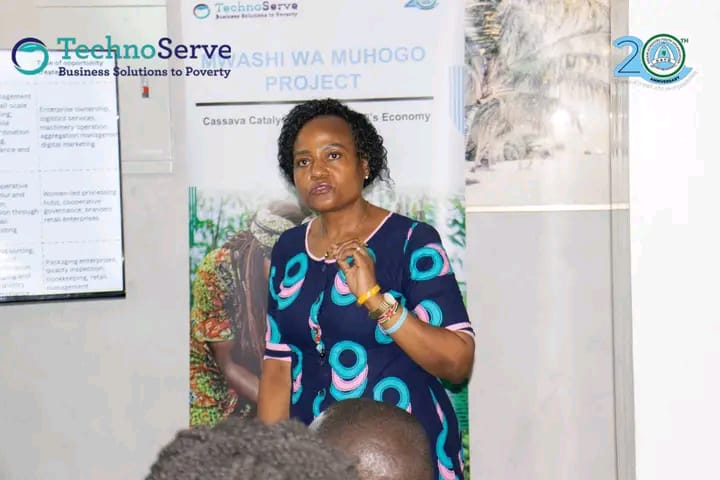
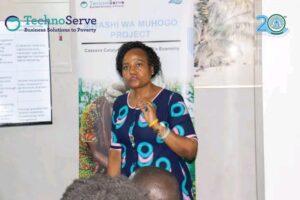
Kilifi county executive committee member (CECM) for Gender, Culture, Youth Affairs, Sports and Social Services, Dr. Ruth Dama Masha
By Mbungu Harrison
Kilifi County youth have been urged to prepare themselves to take advantage of emerging opportunities in cassava farming following the launch of the Mwashi wa Muhogo Project.
Kilifi county executive committee member (CECM) for Gender, Culture, Youth Affairs, Sports and Social Services, Dr. Ruth Dama Masha, said the county government will coordinate across departments to ensure young people fully benefit from cassava farming.
The project is being implemented by the Dream Achievers Youth Organisation (DAYO) in partnership with TechnoServe through the BlueBiz Programme, with funding from the Mastercard Foundation.
The project which has been embraced by Kilifi county government seeks to strengthen cassava farming, expand market access, create employment opportunities, and enhance food security in a region grappling with drought.
“This project has come at the right time when the county is experiencing drought. We hope it is going to turn the tide and enable farmers to achieve better results from cassava farming,” she said.
Dr. Masha also encouraged youth, including those in the creative arts sector, to use social media platforms to sensitize their peers on the importance of agribusiness economy, terming it as an untapped economic venture.
“It is time for the youth to come out. Those who are passionate should take part in the project. Our mothers also have an opportunity to benefit because they are the key drivers at the grassroots level.”
DAYO Programmes Officer Enos Opiyo said the project, which will be rolled out in rural parts of Kilifi, specifically targets youth, women, and persons with disabilities.
“We are equipping young people with skills, technology, and market access so that cassava is no longer just a subsistence crop but becomes a formal business. We want to see youth self-employed through agriculture and economically independent,” he said.
The officer emphasized that youth and women’s groups will be given priority, noting that they are among the most affected by unemployment in the coastal region.
Farmers will also receive quality seeds, modern farming training, and value-addition skills to increase productivity and profitability.
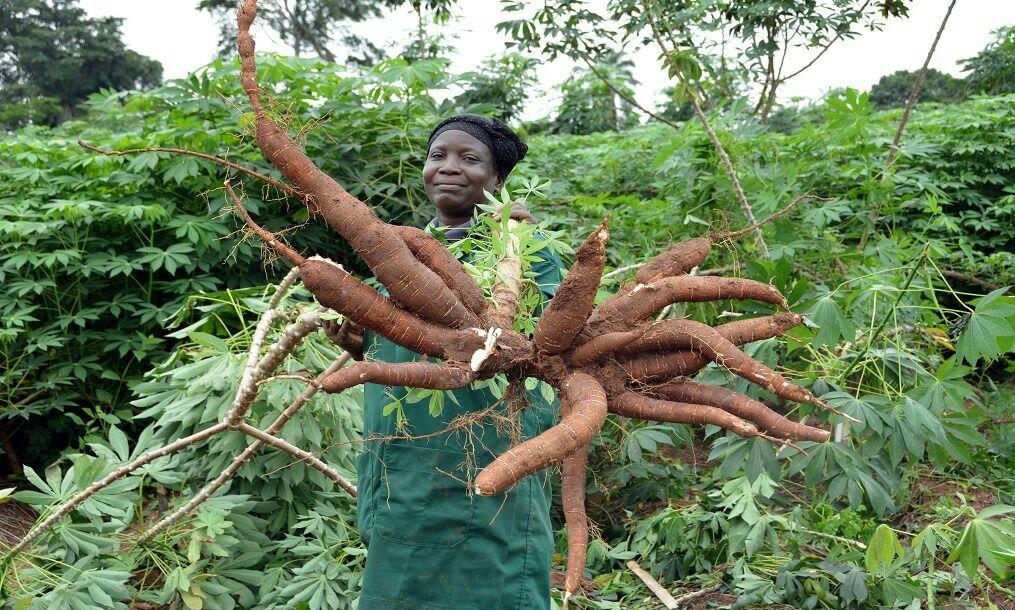
The county director of agriculture John Ziro urged young people to seize the opportunity, citing the growing demand for cassava in food products, nutrition, and small-scale industries.
“Kilifi has a favorable environment for cassava farming. By adopting proper farming methods and strengthening collaboration among stakeholders, farmers can significantly increase production and boost their incomes,” he said.
Ziro assured farmers that the county government will continue to provide technical support and ensure access to quality farm inputs.
They were Speaking during the project’s inception and Cassava Value Chain Analysis Report Validation Workshop in Kilifi county.
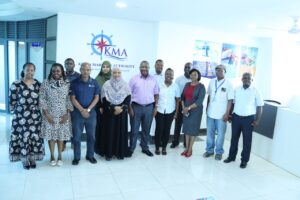
The workshop brought together key stakeholders, including officials from the Department of Agriculture, the Department of Trade, the National Council for Persons with Disabilities (NCPWD) Kilifi, and the Department of Social Services, among other partners.

The engagement aimed to outline the objectives of the Mwashi wa Muhogo Project, present findings from the cassava value chain analysis, and validate the report through stakeholder input to strengthen implementation.
The county leaders expressed optimism that with proper coordination and youth participation, cassava farming could transform livelihoods, enhance food security, and address social and economic challenges in Kilifi.
About The Author