Steering Through the Storm: MSC’s $2.2bn Bet on the Future of Shipping
By Andrew Mwangura
Email, thecoastnewspaper@gmail.com
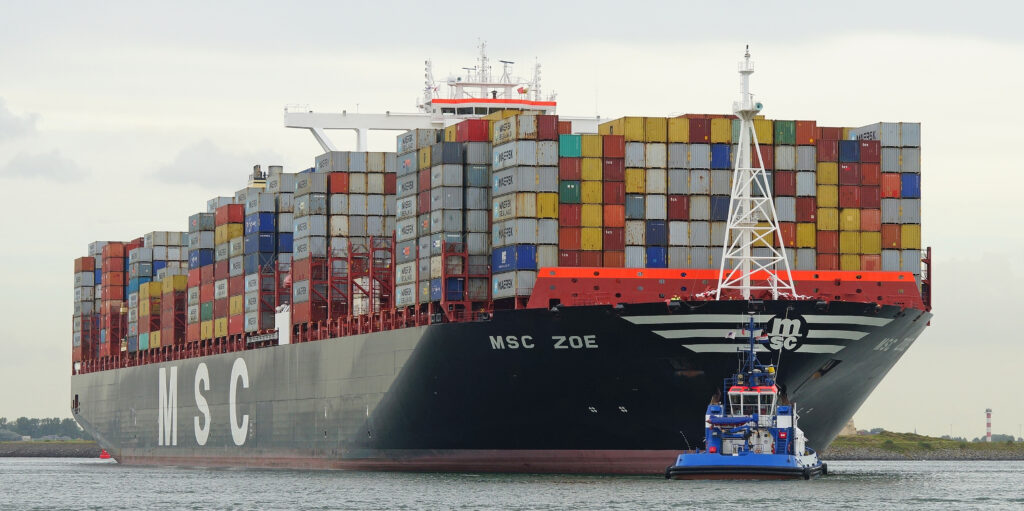
Mediterranean Shipping Company’s recent decision to double an existing newbuilding order represents a powerful statement of strategic intent.
In a climate where many shipping lines are pausing to assess a softening container market, MSC has instead chosen to expand its commitment, exercising options for eight additional vessels.
This move transforms an initial eight-ship agreement into a substantial fleet renewal program encompassing sixteen identical 11,500 TEU vessels.
With an estimated total value of $2.2 billion, this investment is a calculated, long-term gamble on the future shape of global trade.
It reflects a company philosophy that looks beyond the immediate business cycle, planning instead for a horizon that stretches well into the next decade, with final deliveries scheduled for 2029.
This confidence is particularly noteworthy given the industry’s frequent reputation for reactive decision-making, positioning MSC’s deliberate and forward-looking approach as a distinguishing feature of its corporate leadership.
At the heart of this massive order lies a continued, concrete commitment to liquefied natural gas as a transitional marine fuel.
While the maritime industry engages in complex and often theoretical debates about the ultimate pathway to decarbonisation, MSC has consistently demonstrated a willingness to back available technology at scale.
LNG dual-fuel propulsion is not seen as a perfect or final solution, but as the most practical and immediately deployable option currently on the table. It allows the company to meet tightening global emissions regulations, such as the Carbon Intensity Indicator, while retaining crucial operational flexibility for the vessels’ entire lifespan.
This practical stance provides a clear, actionable step forward in an arena where uncertainty over future fuels like green methanol or ammonia has caused investment paralysis among some competitors. By moving decisively now, MSC ensures its new fleet will be compliant and competitive for years to come, regardless of how the fuel landscape evolves.
Furthermore, the decision to construct sixteen sister ships of the same design is a masterclass in operational discipline.
The benefits of such standardisation are profound and multifaceted, touching every aspect of the vessel’s life. It streamlines the construction process at the Penglai Jinglu Shipyard in China, fostering greater efficiency and potentially reducing build times.
More importantly, it creates immense value once the ships are in service. Crew training, maintenance procedures, and spare part inventories become vastly simpler and more cost-effective across a uniform fleet.
This reduces technical risk and enhances reliability, allowing MSC to extract maximum operational uptime and lower lifetime costs from these assets. This focus on consistency over novelty reveals a mature fleet philosophy aimed at durable efficiency rather than technological showmanship.
It also serves to strengthen MSC’s strategic partnership with Chinese shipyards, reinforcing their role as capable builders of high-value, complex tonnage for the world’s leading carrier.
This specific newbuilding program cannot be viewed in isolation; it is a cornerstone of MSC’s layered and sophisticated overall fleet strategy. As the world’s largest container line, the company already holds the industry’s largest orderbook, exceeding 2.1 million TEU of new capacity.
A significant portion of this is concentrated in ultra-large vessels of 24,000 TEU, underscoring a steadfast belief in the economics of scale on major East-West trade lanes.
However, MSC has simultaneously returned to the mid-sized vessel segment, placing orders for conventionally fuelled 5,000 TEU ships.
These vessels are tailored for regional and secondary trades, highlighting a pragmatic recognition that not all cargo moves on trunk routes. This balanced approach, rounded out by ongoing acquisitions in the secondhand market for smaller feeder vessels, creates a resilient and adaptable three-tiered fleet structure.
It provides MSC with the unique ability to nimbly adjust capacity across different trade lanes and market conditions without becoming over-reliant on any single vessel class.
In conclusion, MSC’s expanded $2.2 billion order is a definitive act of positioning. It demonstrates a willingness to leverage the current market downturn as a strategic opportunity to prepare for the next phase of industry growth and regulatory change.
While others may retreat, MSC is advancing, absorbing near-term market softness in exchange for long-term competitive advantage, operational efficiency, and environmental compliance.
The company’s strategy acknowledges the uncertainties surrounding future fuels and trade patterns but refuses to be immobilised by them. Instead, it makes clear, capital-intensive decisions based on the best available information today.
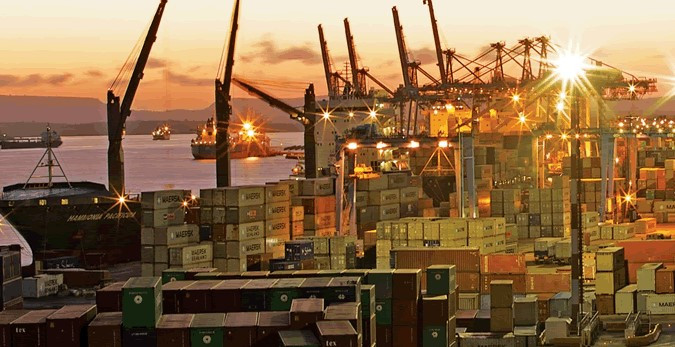
Whether LNG ultimately proves to be a bridge or a longer-term destination, MSC is ensuring its fleet will be ready. In the volatile and capital-intensive world of global container shipping, this potent combination of strategic vision, financial heft, and disciplined execution is what continues to set Mediterranean Shipping Company apart, ensuring it remains a dominant force for the foreseeable future.
Andrew Mwangura is an independent maritime consultant and former Secretary General of the Seafarers Union of Kenya.
About The Author