Borrowed a Grave to Bury my Father, Stateless Butui Narrates
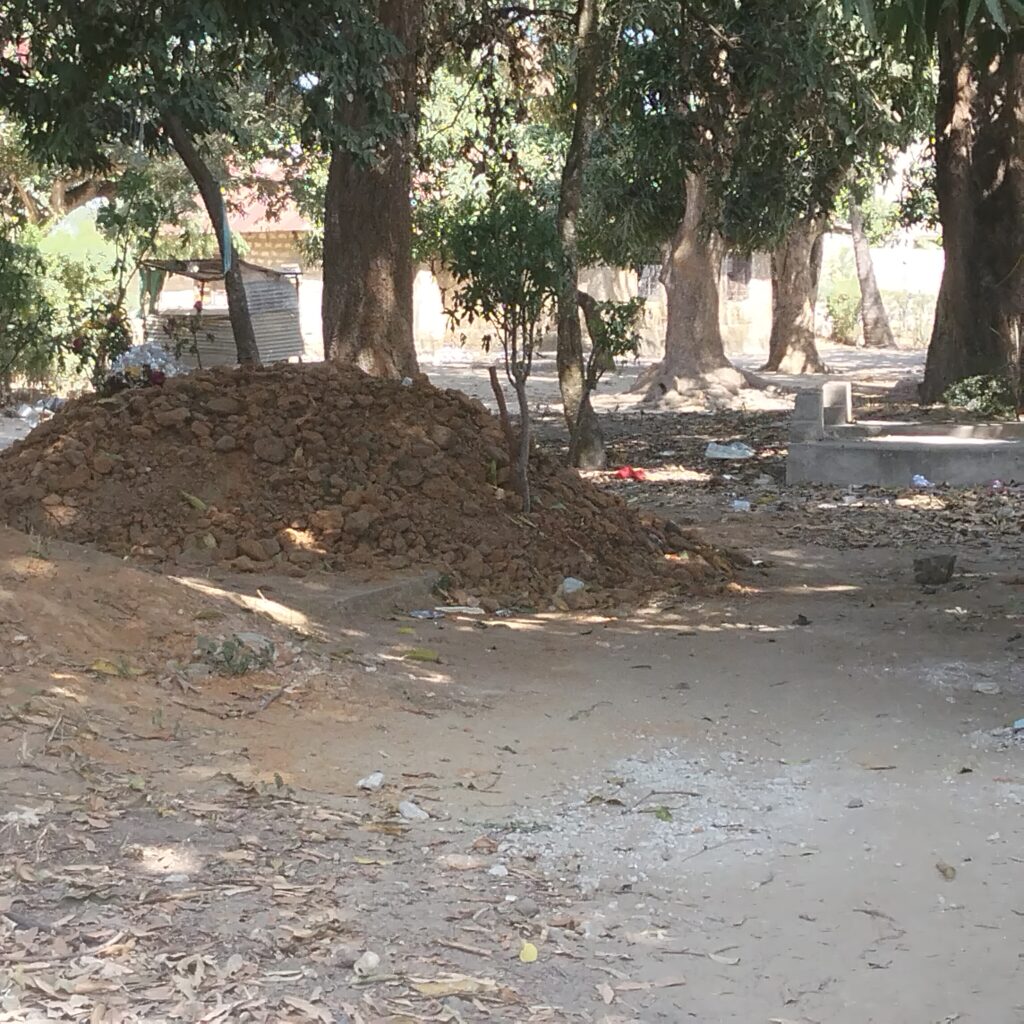
The grave By The COAST Photographer
By Mbungu Harrison
Email, thecoastnewspaper@gmail.com
Esther Butui Ndambara is stateless and lives a depressed life in Kenya.
Born and raised in Msambweni, Kwale County, Esther has had no formal education, no decent job, can’t access health care services simply because she lacks Kenyan Identification documents.
Esther, 42, is from the Warundi community living in Kenya. Her parents are among the people of Burundi descent who settled in Kwale sisal plantations in the 1950s when she was born in Lunga Lunga.
Since her parents did not have Kenyan identity documents the situation has made her remain stateless, though she was born in Kenya.
The situation denied her formal education and now formal employment. It’s now 15 years since they started seeking state recognition.
“I never went to school, I have no shamba to farm, I have no homestead, as a mother, I am very poor because I am economically disadvantaged.
The lack of identification and registration as a Kenyan has made me live a miserable lifes,” she said.
Her plight only represents the miserable life the community is facing. According to her she only does casual labour jobs and forced to borrow neighbors’ IDs to register her mobile phone since she has no ID card.
“My father died year ago, where he stayed as he worked in farms as a casual labourer, they did not allow us to bury him there, we were forced to transport him to a friend at Kivuko village, a Rwandese native but who is now a Kenyan citizen allowed us to bury our father is one of his land,” she narrates.
The mother of two is now among the over 2,000 Warundi community living In Kwale who are pushing for recognition and registration by the Kenyan government, inspired by the recent recognition and registration of the Makonde community.
“I used my neighbor’s identity cards to register for a mobile phone, and this is a serious procedure because she has to guarantee you.
We have lost many of our people because we even can’t have health insurance,” she adds.
Esther’s hopes are now pegged on the recent government pronouncement that it will do civil registration to over 500,000 adults without identity cards in Kwale. She hopes her plight with the others will be considered.
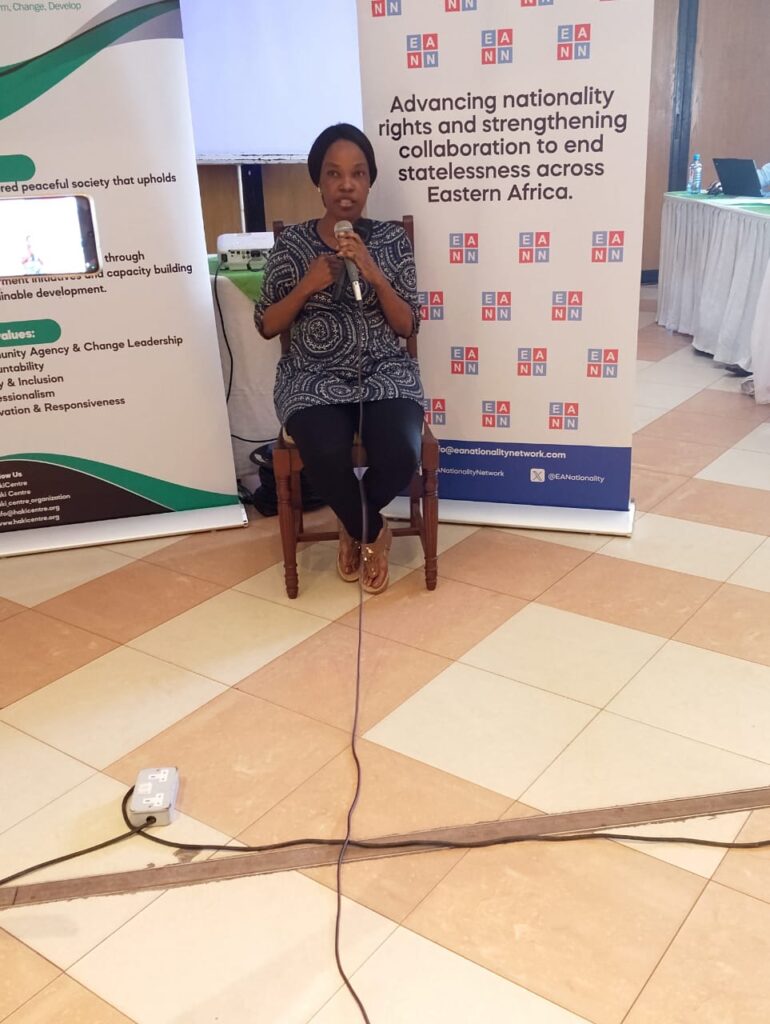
“I am a Kenyan born, I am stateless because my parents were also stateless, they came to Kenya even before Kenya’s independence, and they have never been recognized by the Kenyan government to get identity cards, that is why we didn’t go to school,” she says.
The Warundi community has over 2,100 unrecognized people living in Kwale alone. The prolonged neglect of the community has had a critical impact on their lives.
The Warundi worked mostly as farmers and owing to their statelessness were locked out of other avenues of gainful employment.
Moreover, a good number of the first wave of the Warundi who immigrated into Kenya are aged today and farming is no longer feasible. Unlike most of their peers who are Kenyan citizens, they do not receive government assistance through the elderly fund and as such remain desolate.
For their school going children, services like bursaries that subsidize the cost of education are unavailable. For the women, healthcare and socio-economic opportunities like joining SACCOS or other avenues of banking are far from attainable.
The matter attracted the attention of Haki center organizations that are fighting for the communities to be recognized as Kenyans.
Haki Center field officer Hemed Mohamed Mwafujo says the Warundi community in Kwale are more than 2,100 Warundis who are stateless in Kwale.
“The law is clear and it explains how one can be a Kenyan citizen,the case of Esther can be addressed through the law,but that has not been put into consideration,” he said.
The organization has been agitating for stateless citizens to get registered as Kenyan citizens by the state.
According to interior cabinet secretary Kipchumba Murkomen, the government will roll out the registration drive soon, but is yet to pronounce itself whether the Warundi community who have remained stateless for decades will be among these considered.
On Friday, January 16, 2026, he said the state would deploy live capture machines across the region to ensure all eligible persons are registered and issued with identity documents.
Counties such as Kwale host communities like the Makonde, Warundi and other long-time residents who remain stateless due to years of non-registration.
“There are more than 500,000 adults in the Coastal region who do not have national identity cards. We will deploy live capture machines and work closely with leaders to ensure all eligible persons are registered so they can access government services,” the interior secretary said.
Lack of National Identification documents limits one from enjoying the full rights, privileges and benefits that result from citizenship and locks one from the mainstream of society.
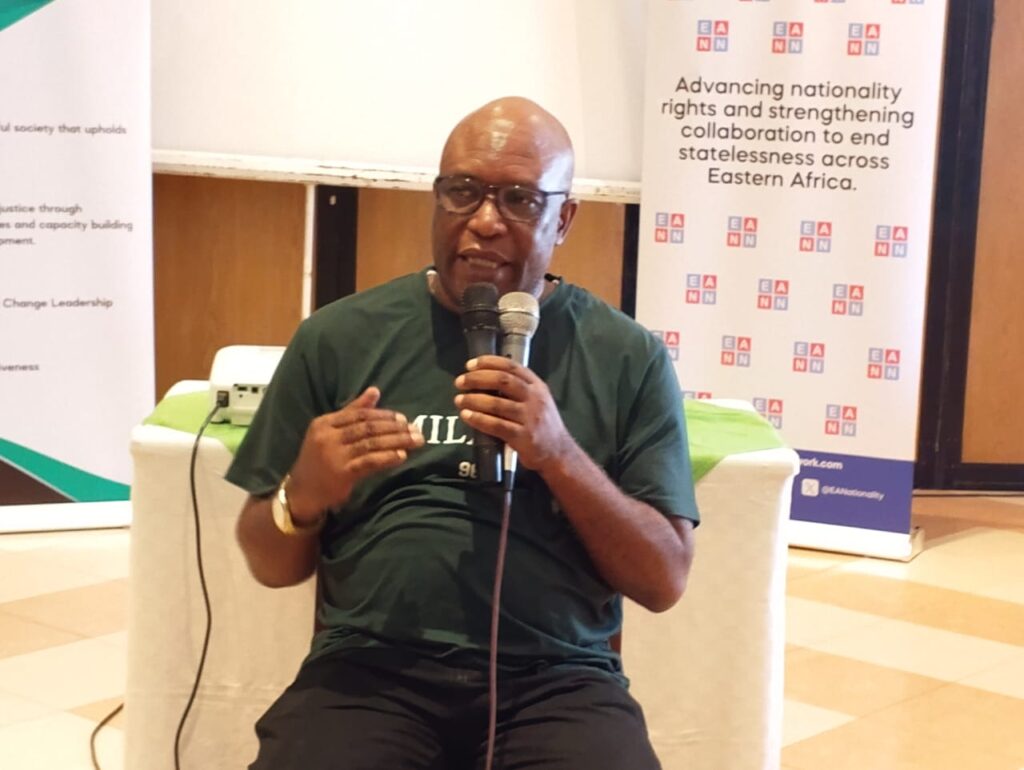
Stateless persons are denied ID cards in Kenya. Resultantly, such is the lived reality stateless people endure.
Stateless persons continue to grapple with hardship in accessing critical services and enjoying the rights citizens enjoy in Kenya.
Among the many vital services they cannot easily access include healthcare, education, employment, owning property, participation in electoral processes, and even freedom of movement.
About The Author