Anchoring Stability: K-OSR 2026 and Kenya’s Rising Maritime Profile
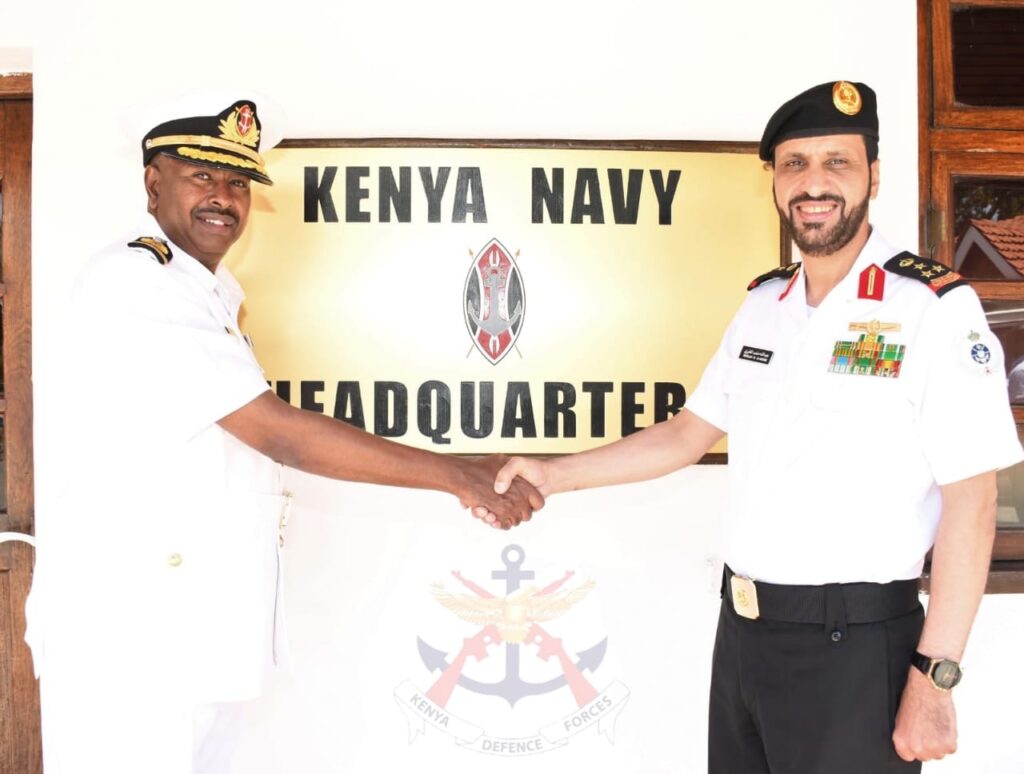
Kenya Navy Headquarters (Photo/Courtesy)
By Andrew Mwangura
Email, thecoastnewspaper@gmail.com
The choice of the Bandari Maritime Academy (BMA) to host this year’s Kenya-Operation Southern Readiness (K-OSR 2026) maritime security exercise is far more than a logistical decision. It represents a defining moment for Kenya’s strategic maritime identity and for the security architecture of the Western Indian Ocean.
The convergence of 47 nations in Mombasa for this four-day multinational drill, jointly orchestrated by the Kenya Navy and Combined Task Force 154, transcends routine military training. It is a powerful statement of intent, a testament to growing international trust, and a clear recognition of Kenya’s evolving role as a pivotal nerve centre for maritime security cooperation.
At its heart, K-OSR 2026 responds to the complex realities of our contemporary oceans. These waters are no longer mere highways for commerce and fishing grounds; they are dynamic, contested spaces where economic ambition, national sovereignty, environmental preservation, and international law intersect.
Piracy, trafficking, illegal fishing, and other asymmetric threats respect no borders, demanding collective, coordinated responses over isolated national actions.
The assembly of such a diverse coalition in Mombasa underscores a fundamental, shared truth: maritime security is indivisible, and proactive cooperation is now an essential imperative, not a discretionary choice.
The selection of Bandari Maritime Academy as the host institution is itself deeply symbolic. As BMA’s Chief Executive Officer, Dr. Eric Katana, noted during the opening ceremony, hosting this prestigious event for the first time is a point of immense pride.
This decision reflects a tangible confidence in BMA’s advanced training capabilities, its world-class facilities, and its strategic perch along one of the globe’s most critical sea lanes.
More broadly, it signals a shift in perception: Kenya is increasingly viewed not just as a beneficiary of international maritime initiatives, but as a capable, proactive contributor and an equal partner in safeguarding regional and global waters.
Dr. Katana’s emphasis on cooperation, preparedness, and collective responsibility captures the exercise’s core ethos. These are not abstract principles but operational necessities in a domain where no single navy or agency can succeed alone.
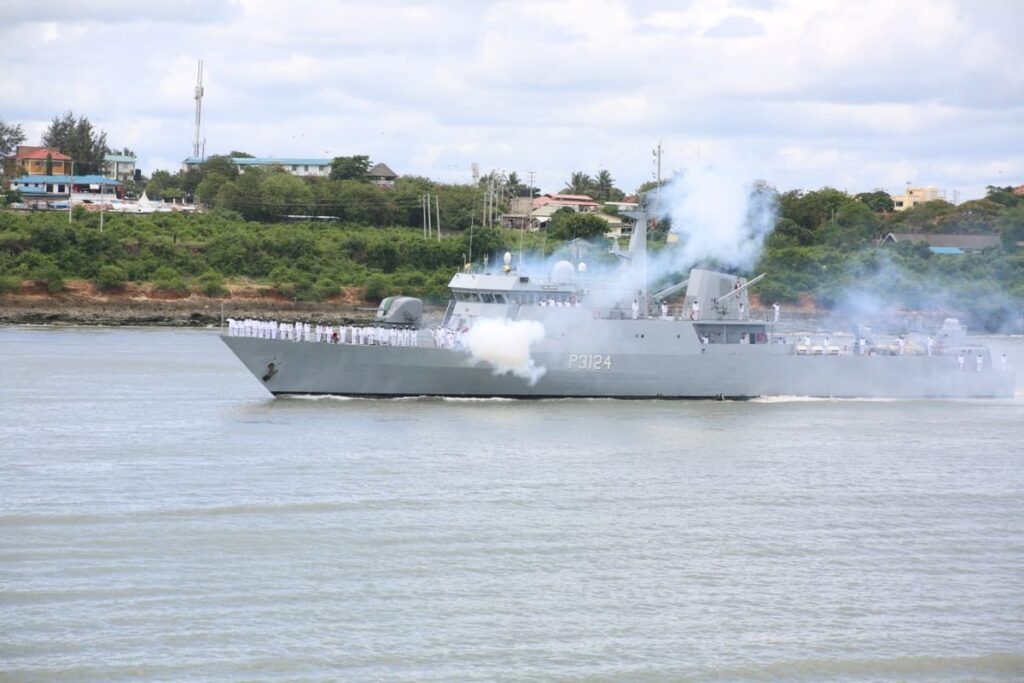
By rigourously fostering collaboration, K-OSR 2026 directly contributes to a safer maritime commons—where lawful trade thrives, navigation is secure, and oceanic resources are managed sustainably. Thus, the training extends beyond tactical skill-building; it bolsters the very economic lifelines of coastal nations like Kenya.
The Kenya Navy’s central role further amplifies the exercise’s significance. Brigadier William Kiprotich, Commander of KN Base Mtongwe, rightly highlighted how such forums enhance critical pillars of modern maritime security: interoperability, information sharing, and joint operational readiness.
Interoperability ensures disparate forces can function as a unified whole during crises. Information sharing builds a common operational picture, eliminating the blind spots exploited by malign actors. Joint readiness transforms shared understanding into decisive, coordinated action.
From an international standpoint, the stewardship of Combined Task Force 154 lends considerable depth and credibility.
Commodore Andrea Bielli’s reaffirmation of commitment to partnership and capacity-building recognises a cardinal rule: sustainable security cannot be externally imposed. It must be cultivated through shared experience, mutual respect, and earned trust.
K-OSR 2026, as he indicated, provides the vital platform for exchanging best practices and sharpening maritime domain awareness, while also nurturing the indispensable human connections among global maritime professionals.
For Kenya, the implications of hosting K-OSR 2026 at BMA resonate far beyond the exercise’s four-day timeline. It powerfully reinforces the nation’s ambition to cement its status as a regional hub for maritime education, security dialogue, and operational coordination.
This ambition aligns seamlessly with Kenya’s economic interests, given that maritime trade is the artery of national and regional prosperity. A secure maritime environment is, therefore, not merely a security objective—it is an economic imperative.
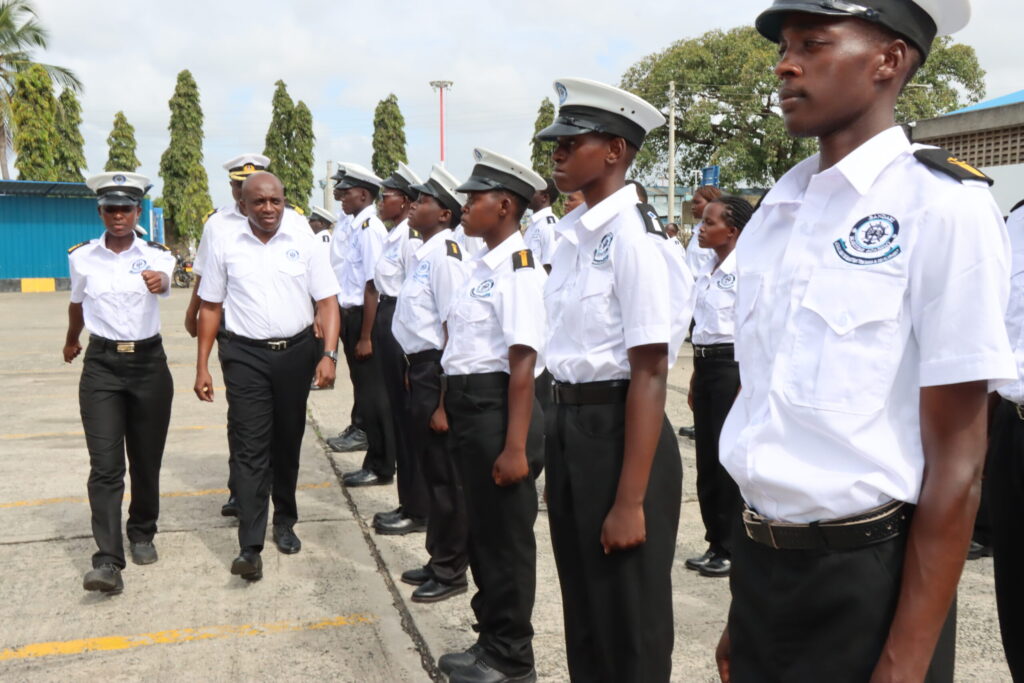
In conclusion, K-OSR 2026 stands as a robust reminder that maritime security is a shared responsibility yielding shared dividends. By welcoming 47 nations to its premier academy, Kenya is strategically investing in a future where cooperation consistently outweighs competition, and where preparedness prevails over reaction.
In an era of escalating uncertainty upon the seas, this is the prudent, forward-looking course to chart—a course Kenya is demonstrably committed to sustaining long after the final drills conclude.
Mr. Mwangura is an independent maritime consultant and former Secretary-General of the Seafarers Union of Kenya.
About The Author