Kenya Backs War Against Counterfeit Drugs Across the Continent

Pharmacy and Poisons Board (PPB) Chairperson Dr. John Munyu gives the keynote address during the 7th Scientific conference on Medical Product Regulation in Africa (SCOMRA) (Photo By Mbungu Harrison)
By Mbungu Harrison
Email, thecoastnewspaper@gmail.com
Kenya’s Pharmacy and Poisons Board (PPB) has deployed three of its experts to the African Medicines Agency (AMA) as part of ongoing efforts to tighten the continent’s regulatory framework and combat counterfeit drugs.
PPB chairman John Munyu said the three experts would play a pivotal role in aligning Africa’s diverse national regulatory systems to ensure the safety, quality, and efficacy of medical products traded within the continent.
“We as a country are actively participating, with Africa medicines agency, three of senior officers in the pharmacy and poisons board are committee members driving the harmonization and collaboration,” he reiterated.
Speaking during the 7th Biennial Scientific Conference on Medical Products Regulation in Africa (SCoMRA VII) held in Mombasa, the chairman said the government has intensified its crackdown on counterfeit medicines despite persistent challenges posed by porous borders and gaps in regulation.
“We have robust regulatory systems in place we do have structures and systems in place, we have enhanced our enforcement systems and I can assure you the war on counterweights is a war that we are winning, we’re at the very tail end.”
On regional harmonization of medical product registration, he emphasized that collaboration across African nations is long overdue, with Kenya taking a central role in ensuring the success of this initiative for safer health policies.
“We do have challenges because of some loopholes in our regulations and porous borders but it’s a battle that we are fighting because our responsibility is to ensure public safety safe health delivery and ensure Kenyans health is safe and we have no option.”
He confirmed that the three Kenyan experts have been appointed to senior roles at the African Medicines Agency (AMA) the newly established pan-African body mandated to oversee harmonization of medical product regulations across the continent.
Headquartered in Kigali, Rwanda, the AMA was created to coordinate and strengthen regulatory systems across all 55 African Union Member States.
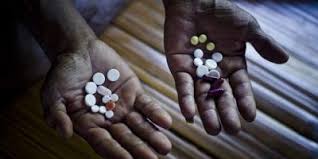
It seeks to eliminate the circulation of counterfeit and substandard medical products, a persistent challenge undermining both public health and local pharmaceutical manufacturing.
According to the PPB, the deployment of Kenyan experts reflects the country’s consistent contribution to regional harmonization initiatives under the African Medicines Regulatory Harmonisation (AMRH) programme.
Addressing a media briefing, Dr. Symere Grey Johnson, director at AUDA-NEPAD, said the conference marks the next decisive step in advancing Africa’s medical regulatory transformation.
On her part, Dr. Delese Darko, director general of the African Medicines Agency (AMA), affirmed that the biennial event serves as the continent’s leading forum for evidence-based dialogue, partnership building, and policy alignment in medical product regulation.
SCoMRA VII aims to deepen collaboration to advance regulatory harmonization, stimulate local manufacturing, and strengthen Africa’s ability to produce safe, quality-assured medicines and vaccines.
“SCoMRA is more than a conference because it is a collective commitment to Africa’s health independence. By harmonizing regulation and building local capacity, we are unlocking the continent’s potential to produce its own life-saving medicines and vaccines,” said Dr. Nardos Bekele-Thomas, Chief Executive Officer of AUDA-NEPAD.
Since its inception, SCoMRA has been central to the African Medicines Regulatory Harmonization (AMRH) programme, which supports African Union Member States in building efficient, convergent regulatory systems.
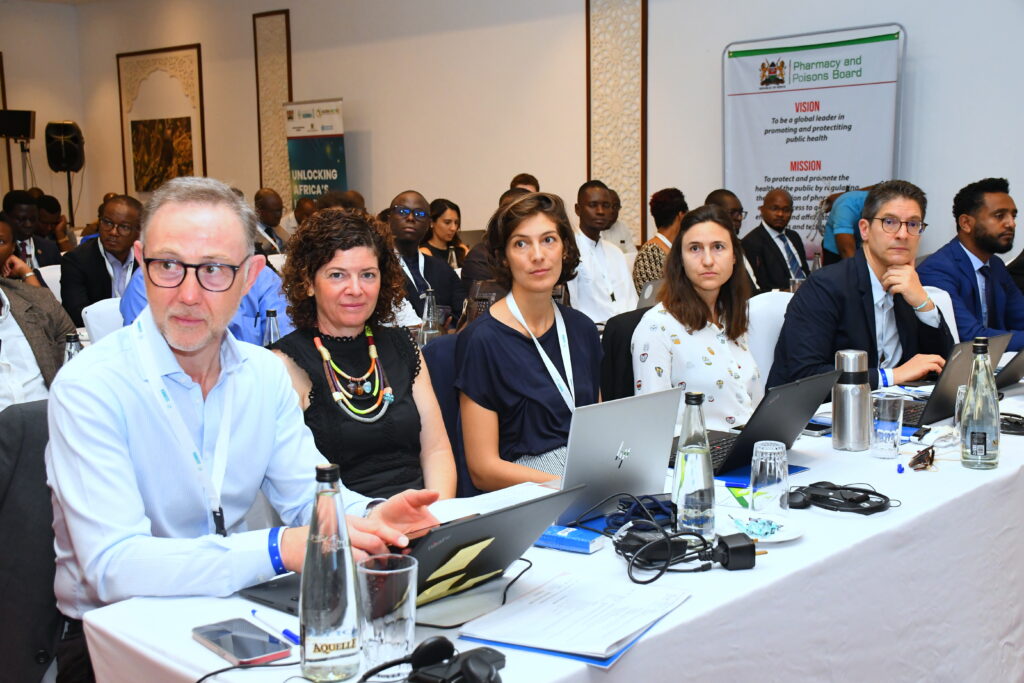
The initiative underpins the establishment of the African Medicines Agency (AMA) the continental body mandated to ensure that Africa’s medical products meet global standards of safety, efficacy, and quality.
With more than 90 percent of medicines imported into Africa and less than one percent of vaccines produced locally, delegates at the Mombasa conference emphasized that harmonized regulation is key to boosting local production, trade, and the continent’s ability to respond to public health emergencies.
About The Author