Invisible Signals: Why Maritime Tracking Systems Matter

Jelbut dhow MV Igor off the Kenyan coast . (Photo/ Courtesy)
By Andrew Mwangura
Email, thecoastnewspaper@gmail.com
The recent interception of the Jelbut dhow MV Igor off the Kenyan coast, laden with 1,000 kilograms of methamphetamine—popularly known as crystal meth—has once again thrown the spotlight on the darker side of the Indian Ocean.
Beneath the calm blue waters lies a vast, invisible network of transnational crime that thrives on evasion, deception, and the disabling of vital maritime tracking systems.
This incident is a stark reminder of why the Automatic Identification System (AIS), the Long-Range Identification and Tracking System (LRITS), and the Emergency Position Indicating Radio Beacon (EPIRB) are indispensable to safe and transparent navigation.
The AIS, LRITS, and EPIRB are the silent sentinels of the sea. They are designed to ensure that ships remain visible, traceable, and accountable, both to maritime authorities and to other vessels navigating shared waters.
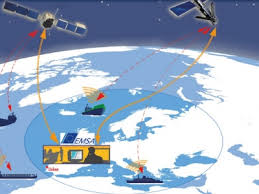
AIS transmits a vessel’s identity, position, speed, and course in real time, allowing port authorities, coast guards, and other ships to maintain situational awareness.
LRITS, on the other hand, provides a long-range monitoring capability that allows flag states and coastal authorities to track their ships anywhere in the world.
Meanwhile, EPIRB serves as a distress beacon—activated in emergencies to transmit a vessel’s last known position to search and rescue authorities. Together, these systems are the backbone of maritime safety and security.
When ocean-going vessels switch off their AIS, they effectively disappear from the maritime radar, creating blind spots that can be exploited by criminals and endangering other ships. This “going dark” tactic has become a favorite among smugglers, traffickers, and illegal fishers who wish to conceal their movements.
In the case of MV Igor, the disabling or manipulation of tracking systems likely played a role in allowing the dhow to move undetected across busy shipping lanes until its eventual interception.
Such behavior undermines international maritime safety protocols and exposes the high seas to illicit activities, from drug trafficking and human smuggling to weapons transfer and illegal, unreported, and unregulated (IUU) fishing.
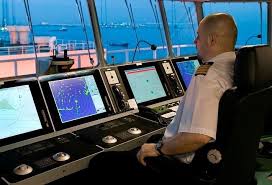
For fishing vessels, the implications are even more serious. When a trawler or longliner switches off its AIS, it not only raises suspicions of engaging in IUU fishing but also increases the risk of collision in congested fishing grounds.
Transparency in vessel movements protects both the marine ecosystem and the integrity of legitimate fishing operations.
Continuous transmission of AIS signals enables authorities to monitor fishing patterns, enforce quotas, and deter encroachment into restricted areas or marine protected zones. Turning off these systems is, therefore, not merely a technical decision—it is an act that erodes trust and threatens the livelihoods of law-abiding fishermen.
Nonetheless, there are rare and legitimate exceptions. In piracy-infested waters such as the Gulf of Guinea, the Gulf of Aden, the Red Sea, and the Somali Basin, vessels may temporarily switch off their AIS as a defensive measure.
Broadcasting one’s position in these high-risk zones can make a ship an easy target for pirates monitoring AIS data to identify and ambush vulnerable vessels. In such circumstances, international guidelines permit captains to limit or obscure AIS transmissions—but only with proper notification to maritime authorities and only for as long as the danger persists.
Even then, the LRITS system remains active, allowing flag states to maintain long-range tracking of their ships discreetly. This delicate balance between security and transparency underscores the importance of responsible use of maritime technology.
The oceans are the arteries of global trade, carrying 90 percent of the world’s goods. Yet they are also the pathways for trafficking, smuggling, and environmental crime.
As criminal networks become more sophisticated, exploiting unmonitored maritime zones and weak governance structures, the international community must reinforce compliance with tracking requirements.
Regional states along the Indian Ocean, including Kenya, should strengthen cooperation in information sharing, surveillance, and enforcement to ensure that every vessel—whether a merchant ship, a fishing boat, or a coastal dhow—remains accountable.
The MV Igor case is not an isolated event; it is a symptom of a wider failure to ensure constant visibility and integrity in our maritime domain. It calls for renewed commitment to technology-driven maritime governance. Turning off an AIS may seem trivial to a shipmaster, but to the maritime community it represents the loss of visibility, the breakdown of order, and the opening of a corridor for crime.
Maritime tracking systems are more than just technical tools; they are the lifelines of ocean governance. When used properly, they safeguard lives, promote transparency, and protect national and regional security. When abused or ignored, they become the cracks through which transnational crime slips undetected. In the age of digital navigation, visibility is not optional—it is the price of safety and the foundation of lawful seas.
The writer is a policy analyst specializing specializing in marine and blue economy development.
About The Author