Strengthening Regional Trade: Rwanda’s Strategic Pivot to Mombasa Port

Rwanda’s High Commissioner to Kenya, Ambassador Ernest Rwanucyo. (Photo/ Courtesy)
By Andrew Mwangura
Email, thecoastnewspaper@gmail.com
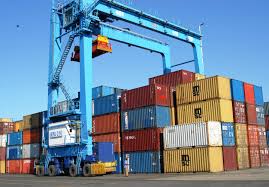
The recent announcement by the Rwandan government to increase cargo delivery through the Port of Mombasa marks a significant step toward deepening economic ties within East Africa.
Rwanda’s High Commissioner to Kenya, Ambassador Ernest Rwanucyo, emphasized the efficiency and reliability of Kenya’s transit corridors during a meeting with the Kenya Ports Authority (KPA), urging cargo agents to leverage Mombasa’s infrastructure for Kigali-bound goods.
This move underscores the port’s pivotal role as a regional trade hub and highlights the growing partnership between Rwanda and Kenya, a relationship that promises to bolster economic integration and prosperity across East and Central Africa.
The Port of Mombasa has long been the linchpin of regional trade, serving not only Kenya but also landlocked nations like Rwanda, Uganda, South Sudan, and the eastern Democratic Republic of Congo.
In 2024, the port handled an impressive 41.1 million tonnes of cargo, a 14.2 percent increase from the previous year, according to KPA Managing Director Captain William K. Ruto.
Rwanda, accounting for 5.1 percent of the port’s transit cargo, is a key player in this success.
The decision to channel more goods through Mombasa reflects Rwanda’s confidence in Kenya’s infrastructure and its strategic vision to streamline trade logistics.
This is not merely a logistical choice but a testament to the enduring bilateral relationship between the two nations, which Ambassador Rwanucyo aptly described as a “mutual bilateral relationship” aimed at fostering broader regional development.
Kenya’s transit corridors, including the port, Inland Container Depot in Naivasha, and the Standard Gauge Railway (SGR), have become critical arteries for regional commerce.
The efficiency of these systems has been a game-changer, particularly for landlocked countries like Rwanda, which rely heavily on coastal ports for access to global markets.
The KPA’s efforts to modernize Mombasa Port—through infrastructure upgrades, automation, and 24/7 cargo clearance—have significantly reduced vessel turnaround times and improved cargo handling.
Dr. Sudi A. Mwasinago, speaking on behalf of KPA’s managing director, expressed gratitude for Rwanda’s trust in these systems, pledging to further enhance efficiency to deepen economic ties.
This commitment is evident in the port’s record-breaking performance, handling over 2 million twenty-foot equivalent units (TEUs) in 2024, a milestone not achieved in over a decade.
Rwanda’s choice to prioritize Mombasa is also a pragmatic response to global and regional trade dynamics.
The Red Sea crisis has disrupted traditional shipping routes, prompting major shipping lines to select Mombasa as a transshipment hub for smaller feeder vessels serving eastern and southern African ports.
This has boosted transshipment traffic by a staggering 132.9 percent in 2024, reinforcing Mombasa’s position as a critical gateway.
For Rwanda, a landlocked nation with ambitious economic goals, leveraging this hub ensures faster and more reliable access to global markets.
The African Continental Free Trade Area (AfCFTA) further amplifies the importance of efficient ports like Mombasa, as intra-African trade gains momentum. By aligning with Kenya’s logistics infrastructure, Rwanda is positioning itself to capitalize on these opportunities, reducing trade costs and enhancing competitiveness.
The partnership between Rwanda and Kenya is not without challenges, however. Long-stay containers have been a persistent issue at Mombasa, clogging valuable yard space and hampering efficiency.

In July 2025, KPA issued a 14-day ultimatum to clear 270 such containers, a move lauded by stakeholders for its decisiveness.
While this cleanup demonstrates KPA’s commitment to operational excellence, it also highlights the need for systemic reforms to prevent cargo accumulation. Complex customs procedures, financial disputes, and inadequate tracking systems often contribute to these delays.
Rwanda, as a key transit partner, stands to benefit from KPA’s plans to implement robust container tracking systems and progressive storage fees to discourage overstaying cargo.
These measures, coupled with ongoing investments in berth expansion and automation, will ensure Mombasa remains a reliable gateway for Rwanda’s trade needs.
The broader implications of Rwanda’s decision extend beyond logistics. By deepening its reliance on Mombasa, Rwanda is reinforcing Kenya’s role as the economic powerhouse of East Africa.
The port’s success is a barometer of regional economic activity, and its growth reflects the vitality of trade networks connecting Kenya to its neighbors.
Uganda, which accounts for 65.7 percent of Mombasa’s transit cargo, and South Sudan, with 12.7 percent, have similarly endorsed Kenya’s end-to-end logistics services, which aim to deliver goods directly to clients while bypassing costly intermediaries.
Rwanda’s alignment with this model, including its plans to establish a cargo facility at the Naivasha Dry Port, signals a collective regional effort to streamline trade and reduce dependency on external brokers.
This collaborative spirit is vital for competing with rival ports like Dar es Salaam, which has been modernizing to capture a larger share of regional trade.
The KPA’s proactive measures, including the multibillion-shilling modernization project launched in January 2025, are setting the stage for Mombasa to remain East Africa’s premier maritime gateway.
With plans to expand berths, introduce green technologies, and enhance last-mile connectivity through projects like the Dongo Kundu Bypass, the port is poised to handle growing trade volumes sustainably.
Rwanda’s commitment to Mombasa aligns with these ambitions, signaling confidence in Kenya’s vision for a modern, efficient, and competitive trade hub.
As Dr. Mwasinago noted, this partnership is not just about cargo volumes but about forging deeper economic ties that drive mutual prosperity.
In conclusion, Rwanda’s strategic decision to increase cargo delivery through Mombasa is a vote of confidence in Kenya’s infrastructure and a bold step toward regional integration.
The Port of Mombasa, with its record-breaking performance and ongoing upgrades, is more than a logistical hub—it is a symbol of East Africa’s economic aspirations.
By leveraging Kenya’s transit corridors, Rwanda is not only securing its trade routes but also contributing to a shared vision of a connected, prosperous region.

As both nations work to overcome challenges like long-stay containers and customs bottlenecks, their partnership sets a powerful example for regional cooperation.
The road ahead is promising, and with continued investment and collaboration, Mombasa will remain the beating heart of East African trade, driving growth for Rwanda, Kenya, and beyond.
The author is a policy analyst specializing in maritime governance and blue economy development.
About The Author