Lamu Port’s Milestone: A Gateway to Africa’s Economic Future
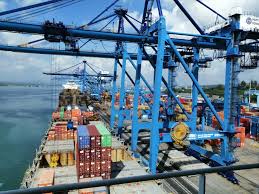
Lamu Port (Photo/ Courtesy)
By Andrew Mwangura
Email, thecoastnewspaper@gmail.com
On July 30, 2025, Lamu Port etched a historic milestone in Kenya’s maritime history by welcoming the MV TOLTEN, a 299-meter-long vessel, the longest ship ever to dock at the port.
With a depth of 13.5 meters and carrying 140 TEUs of transshipment cargo, this ship’s maiden call from Salalah, Oman, en route to New York, symbolises the growing global confidence in Lamu Port.
General Manager Capt Abdulaziz Mzee, presenting a Certificate of First Call to the ship’s master, Capt Nunes Harshal Aloysus, hailed the event as proof of the port’s rising prominence.
With an even longer 335-meter vessel expected in August, Lamu Port is poised to redefine Kenya’s role in global trade and regional integration.
This achievement is more than a maritime triumph; it underscores Lamu Port’s pivotal role in Kenya’s economic transformation and Africa’s interconnected future.
As the anchor of the Lamu Port-South Sudan-Ethiopia Transport (LAPSSET) Corridor, the port is a cornerstone of Kenya’s Vision 2030, designed to create a second transport artery alongside the congested Mombasa-Nairobi Northern Corridor.
The LAPSSET Corridor, stretching from Lamu to Juba in South Sudan and Addis Ababa in Ethiopia, integrates roads, railways, pipelines, and airports to unlock the economic potential of northern Kenya and landlocked neighbors.
By reducing reliance on Mombasa Port, Lamu alleviates regional trade bottlenecks, fostering seamless connectivity across East Africa and beyond.
Lamu Port’s strategic location at Manda Bay, with its natural 18-meter depth and capacity for 23 berths, positions it to handle Post-Suezmax vessels, making it one of Africa’s most promising deep-sea ports.
The port’s ability to accommodate mega-ships like MV TOLTEN signals its readiness to compete globally, drawing major shipping lines and boosting Kenya’s status as East Africa’s trade hub.
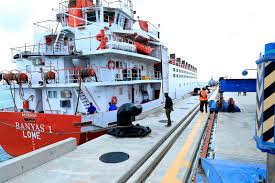
The recent docking of Ethiopia’s MV Abbay II with 60,000 metric tons of fertilizer exemplifies how Lamu serves as a vital gateway for regional partners, creating jobs and stimulating economies along the corridor, from Lamu to Marsabit and Isiolo.
Beyond LAPSSET, Lamu Port is a catalyst for regional economic blocs and the African Continental Free Trade Area (AfCFTA). By facilitating trade with Ethiopia and South Sudan, it strengthens the East African Community (EAC) and the Intergovernmental Authority on Development (IGAD), promoting economic interdependence and cooperation.
The port’s role in enabling efficient movement of goods aligns with AfCFTA’s vision of a unified African market, reducing trade barriers and enhancing competitiveness.
As Lamu connects East Africa to global markets, it supports the African Union’s dream of a Great Equatorial Land Bridge, linking Lamu to Douala in Cameroon, fostering transcontinental trade.
The government’s commitment to fully operationalizing Lamu Port, as reiterated by Capt Mzee, reflects a bold vision to transform Kenya into an international maritime powerhouse.
Investments in modern infrastructure, coupled with plans for private-sector partnerships, ensure the port delivers world-class services.
However, challenges like insecurity from Al-Shabaab and environmental concerns in the Lamu Delta must be addressed to sustain this momentum. Careful planning and community engagement are essential to balance economic gains with ecological preservation.
Lamu Port’s hosting of MV TOLTEN is a beacon of progress, signaling Kenya’s determination to lead in global trade and regional integration.
As the port prepares for even larger vessels, it stands as a testament to Africa’s potential to shape its economic destiny.
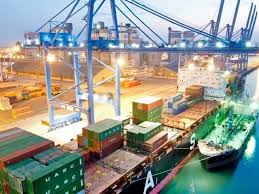
By anchoring the LAPSSET Corridor, empowering regional blocs, and advancing AfCFTA’s goals, Lamu Port is not just a gateway for ships but a bridge to a prosperous, connected Africa.
This milestone is a call to action for stakeholders to rally behind Lamu’s transformative journey, ensuring it delivers lasting benefits for Kenya and the continent.
The writer is a policy analyst specialising in maritime governance and blue economy development.
About The Author