Charting Safer Course: Kenya’s Maritime Information Centre Initiative

Information sharing workshop. (Photo/ Courtesy)
By Andrew Mwangura
Email, thecoastnewspaper@gmail.com
The establishment of Kenya’s National Maritime Information Sharing Centre represents more than just another bureaucratic milestone—it signals a transformative moment for maritime security across the Western Indian Ocean region.
As the Kenya Maritime Authority (KMA) hosts the Maritime Domain Awareness Subcommittee of the National Maritime Security Committee this week, the nation stands at the threshold of becoming a regional lighthouse for maritime intelligence and cooperation.
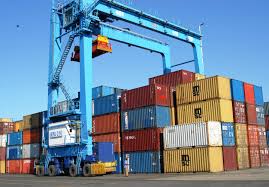
The timing of this initiative could not be more critical. The Western Indian Ocean serves as one of the world’s most vital maritime corridors, with over 30,000 commercial vessels transiting these waters annually, carrying goods worth trillions of dollars.
Yet this strategic waterway faces mounting challenges that transcend national boundaries. Piracy, though reduced from its peak years, remains a persistent threat. Drug trafficking networks exploit porous maritime borders, while illegal fishing devastates local ecosystems and economies.
Human trafficking and arms smuggling add further layers of complexity to an already challenging security landscape.
Against this backdrop, the proposed National Maritime Information Sharing Centre emerges as a beacon of hope. Guided by International Maritime Organization (IMO) consultant Steve Smith and supported through the EU-funded SafeSeasAfrica project, this initiative represents the practical implementation of commitments made under the Djibouti Code of Conduct’s Jeddah Amendment.
The Centre will serve as more than a data repository—it will function as the nerve center for maritime intelligence, collecting, analyzing, and disseminating critical information that enhances both national security and regional cooperation.
The vision articulated by KMA director general CPA Omae Nyarandi reflects a sophisticated understanding of modern maritime challenges.
By positioning Kenya as the host nation for this regional hub, the Authority demonstrates both ambition and responsibility. This is not merely about strengthening Kenya’s maritime domain awareness, though that remains paramount. Rather, it represents a commitment to building an integrated information system that serves the broader Western Indian Ocean community.
The regional implications of this initiative extend far beyond Kenya’s territorial waters. Maritime security challenges in the Western Indian Ocean are inherently transnational, requiring responses that match their scope and complexity.

A vessel engaged in illegal activities off the Somali coast today may appear in Tanzanian waters tomorrow and reach South African ports by week’s end. Traditional approaches that rely on isolated national responses prove inadequate against such fluid threats.
The proposed Centre addresses this reality by creating a platform for real-time information sharing among regional partners. When fully operational, it will enable coordinated responses to emerging threats, facilitate joint operations, and support the kind of sustained cooperation necessary for effective maritime governance.
This collaborative approach recognizes that maritime security is fundamentally a shared responsibility, one that requires shared solutions.
For Kenya specifically, hosting the Centre positions the nation as a regional leader in maritime affairs while directly serving national interests.
Enhanced maritime domain awareness will strengthen border security, protect fishing communities, and safeguard the blue economy initiatives that are increasingly central to Kenya’s development strategy.
The Centre will also support the operational response capabilities that are essential for effective maritime law enforcement.
The technical capabilities being developed through this initiative represent a significant leap forward for the region. Modern maritime domain awareness requires sophisticated systems capable of processing vast amounts of data from multiple sources—satellite imagery, automatic identification systems, radar networks, and human intelligence.
The Centre will integrate these diverse data streams into actionable intelligence that supports decision-making at both tactical and strategic levels.
Perhaps most importantly, this initiative embodies the spirit of multilateral cooperation that is essential for addressing 21st-century challenges.
By bringing together national agencies, regional partners, and international supporters under a common framework, the Centre creates a model for the kind of collaborative governance that complex transnational issues demand.
The success of Kenya’s National Maritime Information Sharing Centre will ultimately be measured not just by the security it provides, but by the cooperation it fosters.

As the Western Indian Ocean faces an uncertain future marked by climate change, growing maritime traffic, and evolving security threats, initiatives like this Centre offer hope for a more secure and prosperous maritime domain.
Kenya’s leadership in this endeavour deserves both recognition and support as the nation charts a course toward safer seas for all.
The writer is a policy analyst specializing in maritime governance and blue economy development.
About The Author