The Colonial Chains That Still Bind: Why the 1929 Nile Waters Agreement Must End

River Nile. (Photo/ Courtesy)
By Andrew Mwangura
Email, thecoastnewspaper@gmail.com
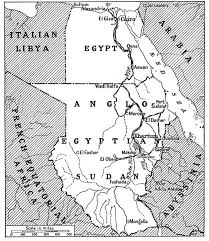
Nearly a century after its signing, the 1929 Nile Waters Agreement remains one of Africa’s most enduring colonial injustices, a document that continues to strangle the economic potential of East African nations while protecting the water privileges of a single downstream beneficiary.
This colonial relic, which grants Egypt veto power over upstream water projects and guarantees it 55.5 billion cubic meters of the Nile’s annual flow, represents a fundamental violation of the sovereignty and development rights of countries surrounding Lake Victoria.
The agreement’s core injustice lies in its complete disregard for the nations where the Nile’s waters originate. Lake Victoria, Africa’s largest lake and the primary source of the White Nile, sits within the borders of Uganda, Tanzania, and Kenya, yet these countries remain legally bound by a treaty they never negotiated as sovereign states.
When British colonial administrators signed this agreement on behalf of their territories, they effectively mortgaged the future of millions of East Africans to secure Egypt’s water security.
Today, this colonial arrangement continues to deny these nations their fundamental right to utilize their own natural resources for development.
The economic devastation wrought by this agreement cannot be overstated. Uganda, sitting at the very source of the Nile where it flows out of Lake Victoria, possesses enormous hydroelectric potential that could transform its economy and provide electricity to millions of its citizens.
Yet the country must seek Egypt’s permission before constructing major dams or irrigation projects, effectively giving a foreign nation veto power over Uganda’s energy independence.
Similarly, Tanzania and Kenya face similar constraints in developing irrigation systems that could revolutionize their agricultural sectors and lift rural communities out of poverty.
The Stiegler’s Gorge dam project in Tanzania, which could provide crucial electricity and irrigation, faces opposition rooted in Egypt’s treaty-backed claims, demonstrating how colonial agreements continue to impede African development nearly six decades after independence.
The social impact on local communities around Lake Victoria has been equally devastating. Fishing communities that have depended on stable water levels for generations now face uncertainty as Egypt’s downstream demands take precedence over local needs.
Agricultural communities cannot fully exploit irrigation opportunities from their own water resources, forcing them to remain dependent on unpredictable rainfall patterns that climate change has made increasingly erratic.
Rural populations continue to lack access to reliable electricity that could power schools, hospitals, and small industries, perpetuating cycles of poverty and underdevelopment. Women and children, who often bear the burden of water collection in rural areas, could benefit tremendously from improved water infrastructure that the treaty effectively prohibits.
Perhaps most galling is how this agreement violates fundamental principles of international water law that have evolved since 1929. Modern water law recognizes the principle of equitable utilization, which holds that all riparian states should have fair access to shared water resources based on their needs and contributions.
The 1929 agreement flies in the face of this principle, granting Egypt privileged access to water that originates entirely outside its borders while denying upstream nations the right to develop their own resources.
The agreement also ignores the doctrine of no significant harm, as Egypt’s monopolistic claims demonstrably harm the development prospects of upstream nations.
The time has come for East African nations to formally reject this colonial anachronism and establish a new framework based on equity, mutual benefit, and respect for sovereignty. Countries around Lake Victoria contribute the vast majority of the Nile’s waters through rainfall, groundwater recharge, and tributary flows, yet receive none of the legal protections that Egypt enjoys.
A just agreement would recognize each nation’s right to develop its water resources for the benefit of its citizens while ensuring reasonable cooperation to maintain downstream flows.

The 1929 Nile Waters Agreement represents everything wrong with colonial-era treaties that continue to haunt post-independence Africa. It prioritizes the interests of former colonial powers and their allies over the legitimate development needs of the nations where resources actually originate.
Until this agreement is replaced with a fair, multilateral treaty that respects the sovereignty and development rights of all Nile Basin countries, the colonial exploitation of East African resources will continue, condemning millions around Lake Victoria to unnecessary poverty while their own waters flow freely to benefit others.
The writer is a policy analyst specialising in maritime governance and blue economy development.
About The Author