KIFWA Oppose Government’s Move to Shutout Clearing Agents

Kenya International Freight and Warehousing Association (KIFWA) chairman Roy Mwanthi Emeritus. (Photo/ Courtesy)
By Harrison Kivisu
Email, thecoatnewspaper@gmail.com
The Kenyan government’s plan to clear its own cargo without involving clearing agents has sparked concern among industry players, putting over 200,000 jobs at risk.
According to reports from sector players, the government wants to control the ecosystem by handling its own cargo documents and port processing without private agents.
Kenya International Freight and Warehousing Association (KIFWA) chairman Roy Mwanthi has urged the government to reconsider the move and engage in consultations with sector stakeholders.
According to him the decision would severely impact the livelihoods of clearing agents and their employees, particularly those represented by KIFWA.
Clearing agents play a vital role in facilitating the import and export of goods, handling complex procedures, and ensuring compliance with regulations.
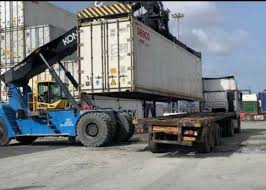
Clearing agents prepare and submit necessary documents, including bills of lading, commercial invoices, and import declaration forms. Agents lodge customs declarations and ensure compliance with regulations.
They calculate import duties and taxes, making necessary payments to the Kenya Revenue Authority (KRA).
The government’s move, therefore, aims to streamline the customs clearance process, potentially reducing costs and increasing efficiency.
However, KIFWA argues that this decision would undermine the role of clearing agents, who possess specialized knowledge and expertise in navigating complex customs procedures.
“Over 200,000 jobs are at risk, affecting not only clearing agents but also related industries,” he said.
The absence of clearing agents could lead to delays and increased costs for importers and exporters.
“The move may have far-reaching economic implications, affecting Kenya’s trade and commerce.”
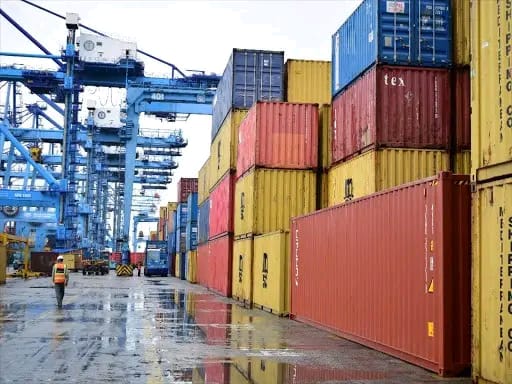
The association chair emphasised the need for consultation and collaboration between the government and sector stakeholders was necessary and crucial.
“By engaging with industry players, the government can better understand the potential consequences and work towards finding solutions that balance efficiency with the needs of the clearing industry.”
About The Author