CHARTING NEW WATERS: The Remarkable Rise Of Bandari Maritime Academy

Bandari Maritime Academy students undergoing Sea survival technics.(Photo /Courtesy)
By Andrew Mwangura
Email, thecoastnewspaper@gmail.com
In just seven years, Bandari Maritime Academy has transformed from a modest training institution into a pivotal force in Kenya’s maritime education sector, positioning the country as an emerging maritime talent hub on the global stage.
Despite significant challenges, the academy’s achievements reflect remarkable progress, though much remains to be done to fully realize Kenya’s maritime potential.
Generation of Maritime Professionals
The academy has maintained consistent enrollment numbers, training approximately 40-50 students in nautical science, 70-90 students in marine engineering, and 200-250 students in STCW basic safety training courses annually.
Currently, Bandari Maritime Academy (BMA) has approximately 400 students across its various programs.
The academy is expected to continue enrolling more students through Kenya Universities and Colleges Central Placement Service (KUCCPS) which will further expand its reach and impact in developing maritime professionals.
Perhaps, BMA’s most impressive achievement has been establishing partnerships with major international shipping companies.
The academy has secured shipboard training agreements with eight international shipping giants including Maersk Line (operating approximately 700 vessels with crew capacities of 20-25 per vessel), MSC Shipping Company (managing over 560 vessels with similar crew requirements), CMA CGM (with a fleet of about 500 ships), and Royal Caribbean (operating 26 cruise ships with crew capacities ranging from 800-2,300 per vessel).
Additional partnerships include Orion Bulkers (approximately 50 vessels), South Korea Shipping Line, BWEK Shipping (managing about 40 specialized gas carriers), Danish Ferry Company DFDS Seaways (operating around 50 ferries and cargo ships), and UAE-based Bahir Shipping Company, alongside several local shipping entities.
Plans are underway to establish partnerships with Chinese-based Hua Jin Shipping Company and the Norwegian-based ship management company Wilhelmsen Ship Management.
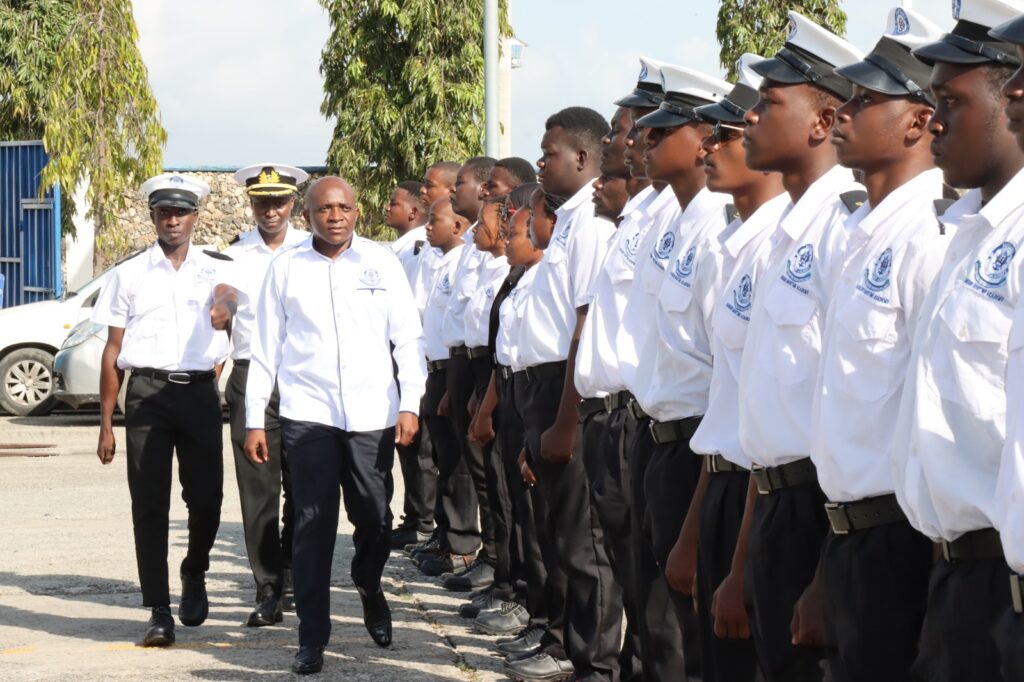
These upcoming collaborations would further broaden the training horizons for Kenyan cadets and strengthen BMA’s position in the global maritime education landscape.
Tangible Results
The fruits of these partnerships are evident with approximately 200 cadets currently at sea undertaking guided training programs.
Notably, over 30 Kenyan cadets have been recruited by BW Epic Kosan (BWEK), with the first cohort expected to complete their mandatory sea time soon.
This represents a significant milestone in Kenya’s maritime journey, as these cadets will become fully qualified officers eligible for employment on international vessels.
Global Demand
The growing global demand for seafarers from Africa has placed increased emphasis on Kenya as a potential maritime talent hub.
As traditional seafarer-supplying nations like the Philippines face capacity constraints, shipping companies are looking to Africa, with Kenya emerging as a particularly promising source of well-trained maritime professionals.
This shift in global recruitment patterns presents an unprecedented opportunity for Kenya to position itself as a premier provider of qualified seafarers, bringing substantial foreign exchange earnings and creating valuable employment opportunities for Kenyan youth.
Challenges Amidst Progress
Despite these achievements, BMA faces significant challenges that hamper its full potential. The institution suffers from a critical shortage of qualified tutors and modern training equipment.
Current funding levels remain inadequate to develop world-class maritime education capabilities. Additionally, the lack of transparency in cadet nominations for shipboard training opportunities has raised concerns about equitable access to these valuable experiences.
Actions Required
To capitalize on the momentum achieved thus far, several key policy actions are urgently needed: First, fast-tracking the BMA 2023 Bill to strengthen the academy’s legal and operational foundation. Second, expediting the issuance of Seafarers’ Identity Documents (SID) to facilitate easier border crossings for Kenyan maritime professionals. Third, securing Certificates of Recognition with maritime authorities in Singapore and Malta, which would significantly enhance Kenyan seafarers’ global employability, particularly for BWEK cadet program participants. Fourth, implementing capitation funding to Maritime Education and Training (MET) institutions from the Merchant Shipping Levy collected annually by Kenya Revenue Authority. Fifth, establish Merchant Navy Training Board to coordinate skills developments that aligns with industry needs,ensuring Kenyan Seafarers remain competitive global. Sixth, convene the National Syllabus Committee to update maritime education curricula, addressing emerging technologies and international requirements.
BMA stands at a critical juncture and its achievements over the past seven years have established a solid foundation, but sustained government support and policy reforms are essential to elevate Kenya’s maritime education sector to world-class standards.
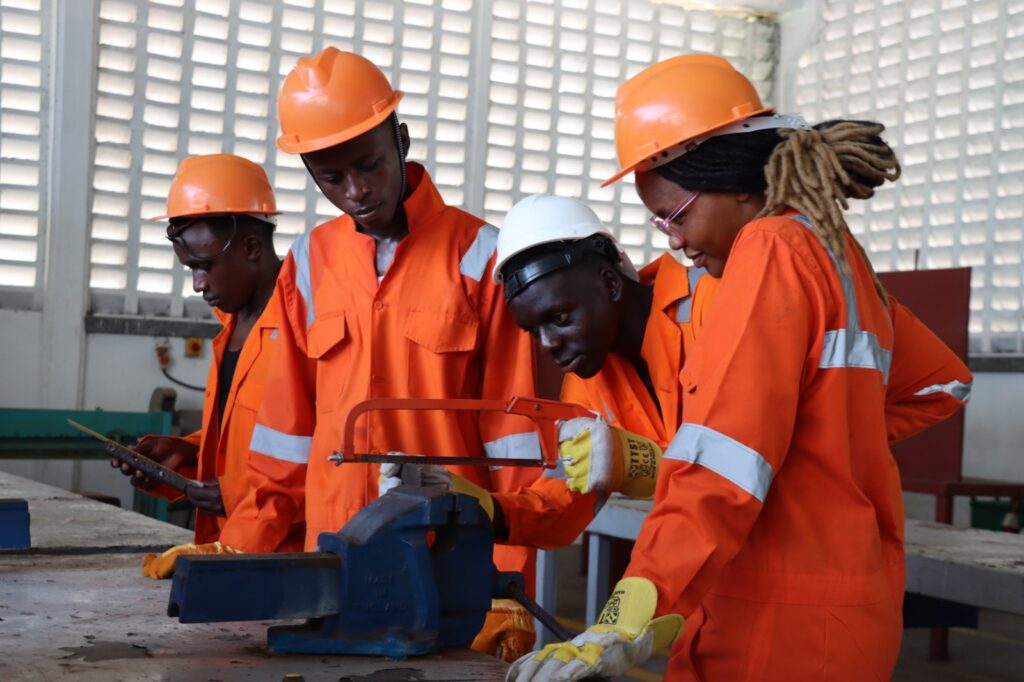
The global shipping industry, with thousands of vessels requiring qualified personnel, offers tremendous opportunities for Kenya’s youth.
With appropriate investment and policy support, BMA can become a premier maritime training institution in Africa, producing world-class seafarers who will contribute significantly to Kenya’s economy through remittances while raising the country’s profile in the international maritime community.
The time for half-measures has passed and bold action is needed to secure Kenya’s maritime future and ensure BMA reaches its full potential as a center of excellence in maritime education.
The writer is a Maritime Affairs Analyst.
About The Author