Port State Control in Mombasa: A Critical Gap in Maritime Oversight
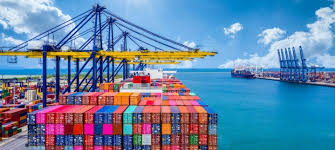
Consigment being moved from the port of Mombasa by gantry cranes (Phptp/ Courtesy)
By Andrew Mwangura
Email, thecoastnespaper@gmail.com
The Port of Mombasa, a vital gateway for East African maritime commerce, is currently experiencing what can only be described as a complete breakdown in Port State Control (PSC) inspections.
This concerning development undermines regional maritime safety standards and threatens Kenya’s standing within the Indian Ocean Memorandum of Understanding (IOMOU) on PSC.
Current Situation
The PSC inspections have effectively ceased at Mombasa Port despite having three qualified inspectors at the Kenya Maritime Authority (KMA) who possess the Class 1 (Deck/Engineering) certifications and have completed the required “Port & Flag State Implementation Courses” abroad, none are currently conducting these critical safety inspections.
Instead, these qualified personnel have reportedly reassigned themselves to other duties within the organization.
The implications are serious as foreign vessels entering Mombasa’s waters are no longer subject to the rigorous safety, security, and environmental compliance checks that PSC inspections are designed to ensure.
Proper Inspection
It’s worth noting that PSC inspections are demanding when conducted properly.
A thorough inspection typically limits an inspector to examining only one or two vessels per day, followed by administrative work to submit findings to the Indian Ocean Regional PSC center.
This intensive process requires dedication, expertise, and institutional support.
Capacity Concerns
The apparent reassignment of qualified inspectors points to a broader issue: the KMA appears to lack the capacity to maintain both Port State Control and Flag State inspections.
This capacity gap raises questions about resource allocation, institutional priorities, and Kenya’s commitment to upholding international maritime standards.
Wider Implications
The absence of PSC inspections poses multiple risks such as safety Risks where substandard vessels that might normally be detained or required to rectify deficiencies are now entering the port unchecked.
The reputational damage that may occasion Kenya’s standing within the IOMOU could be compromised, potentially affecting how Kenyan-flagged vessels are treated in other regional ports.
The environmental concerns or threats if proper inspections are not done, thus, allowing vessels with potential environmental compliance issues go undetected.
With regulatory regression, years of progress in strengthening maritime oversight are being undermined.
The Way Forward
The KMA and relevant Kenyan authorities must urgently address this gap in maritime oversight by returning qualified inspectors to their PSC duties, by developing a sustainable capacity-building program to increase the number of qualified inspectors, and by reaffirming Kenya’s commitment to the IOMOU and international maritime conventions.

Without prompt action, Mombasa risks becoming known as a “port of convenience” where substandard shipping can operate with minimal scrutiny—a reputation that would damage Kenya’s maritime ambitions and regional leadership.
The cessation of PSC inspections represents not merely an administrative lapse but a significant regression in Kenya’s maritime governance that demands immediate attention from all stakeholders.
About The Author