Africa Moves to Cut Trade Barriers With ‘One Certificate’ Plan
(Photo/ Courtesy)
By Mbungu Harrison
Email, thecoastnewspaper@gmail.com
African countries are pushing for harmonised standards and a common certification system to ease the movement of goods across borders and cut the cost of doing business.
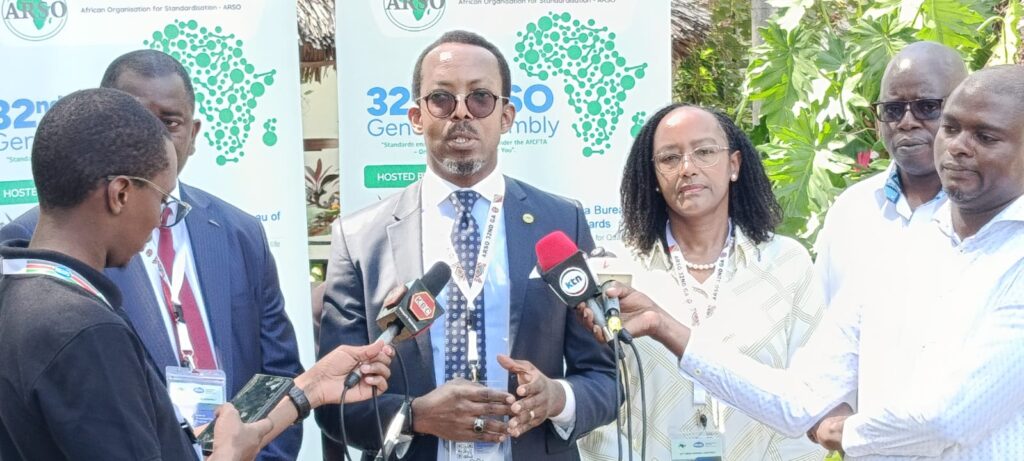
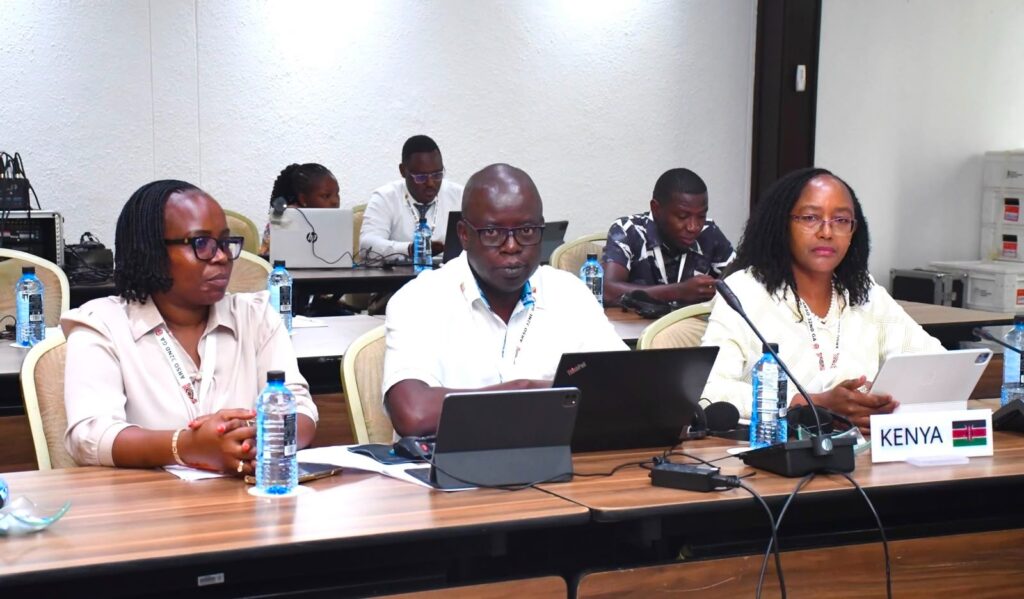
The push took centre stage on Monday, Aigust 24, 2026 as the 32nd African Organisation for Standardisation (ARSO) General Assembly opened in Mombasa.
The five-day meeting, running from August 24 to 28 has brought together standards regulators, policymakers and industry players from across Africa.
At the centre of the discussions is the proposed “One Certificate” framework, which would allow products certified under agreed African standards to move across participating markets without undergoing repeated testing.
The move could significantly reduce compliance costs, especially for small and medium-sized enterprises seeking to expand beyond their domestic markets.
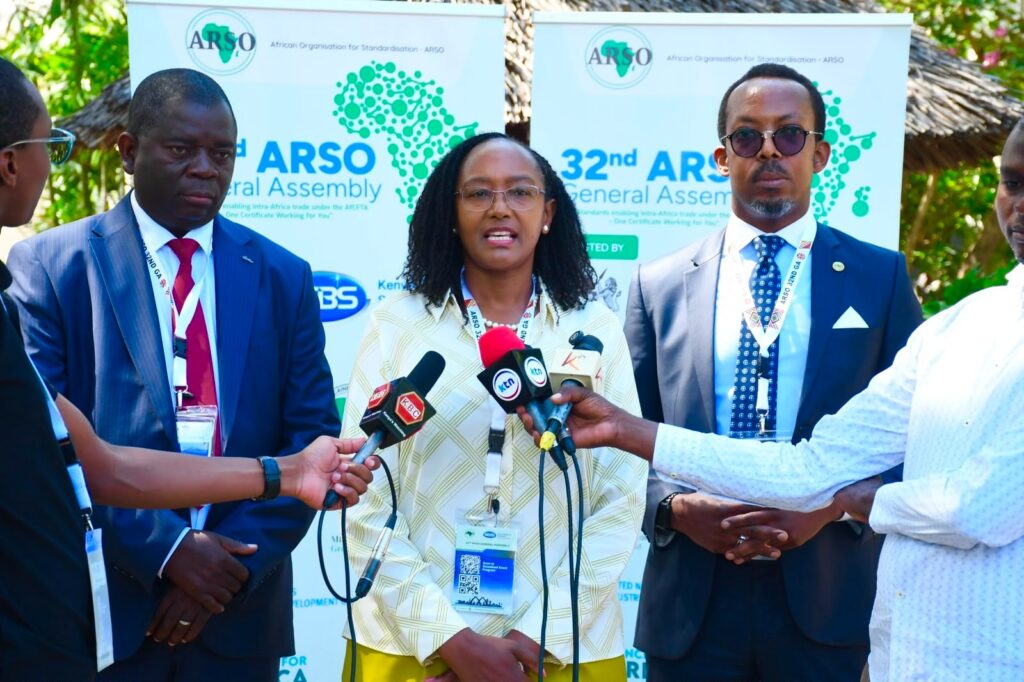
Kenya Bureau of Standards (KEBS) managing director Esther Ngari said Africa must strengthen its testing infrastructure to support local manufacturers.
“We need to strengthen testing facilities in Africa so that our products can be tested and certified within the continent and meet the required standards,” she said.
The MD said harmonised standards would improve the competitiveness of African manufacturers while giving consumers greater confidence in products traded across the continent.
Currently, differences in national standards and certification requirements can force businesses to undergo multiple tests before accessing different markets.
This adds to costs, delays shipments and can discourage smaller firms from exporting.
ARSO Secretary-General Dr Hermogene Nsengimana said harmonised standards were critical to the success of the African Continental Free Trade Area (AfCFTA).
“Harmonisation of standards is at the heart of making African trade more seamless. We must ensure that standards facilitate trade rather than become barriers to it,” Nsengimana said.
He identified pharmaceuticals, textiles, leather products and agrochemicals among sectors where strong testing and certification systems are particularly important.
African countries also need laboratories, certification bodies and technical expertise capable of testing products to the agreed standards.
Without this capacity, manufacturers may still have to seek certification outside their countries, undermining the benefits of a common system.
Zambia Bureau of Standards Executive Director and ARSO Chairperson Nathan Sing’ambwa called for wider participation in the organisation.
He said 10 African countries are yet to join ARSO, urging them to support the continent’s standardisation agenda.
“We encourage other member countries to join ARSO and we are encouraging them to support the harmonisation of standardisation,” Sing’ambwa said.
For businesses, a functional One Certificate system could mean fewer tests, lower certification costs and faster access to new markets.
For consumers, harmonised standards could improve confidence in the safety and quality of products sold across borders.
But the system will only work if countries trust each other’s testing and certification institutions and consistently enforce the agreed standards.
The Mombasa meeting comes as African countries seek to turn AfCFTA into a more effective single market.
About The Author