Domestic Travelers Cushion Mombasa Hotels from Low-Season Slump
(Photo/ Courtesy)
By Mbungu Harrison
Email, thecoastnewspaper@gmail.com
Mombasa’s tourism industry is increasingly turning to the domestic market to sustain business throughout the year as more Kenyans of the diaspora choose the Coast for holidays, family experiences and corporate events.
The shift is providing a more stable source of revenue for hotels and other tourism businesses, helping reduce the sector’s traditional reliance on international visitors and peak travel seasons.
For hoteliers, the growing number of local travelers is changing the dynamics of the tourism business with domestic visitors increasingly filling rooms and conference facilities even during periods that were previously considered low season.
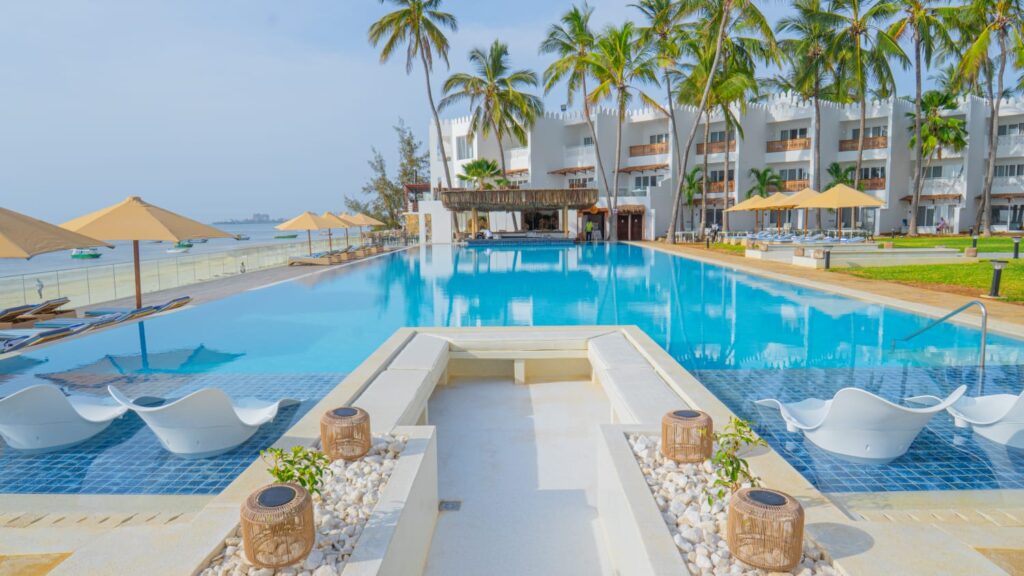
At Bamburi Beach Hotel, sales and marketing manager Margaret Masha says domestic travelers have become a significant component of the hotel’s clientele, alongside visitors from international markets.
“There has been a very big shift in terms of domestic tourism. The nationals are now coming in, not only for holidays, but also for MICE meetings, incentives, conferences and exhibitions,” she said.
According to her the increased domestic demand had helped the hotel maintain activity throughout the year, providing an important buffer against fluctuations in international tourist arrivals.
“We are active throughout the year. We don’t really have a low season because we have the nationals coming in for both holidays and corporate events.”
The growing domestic market reflects changing travel patterns among Kenyans who are increasingly seeking quality leisure experiences within the country rather than travelling abroad.
Speaking at Bamburi Beach Hotel in Mombasa food & beverage manager Joel Mwalaulo said the hotel was seeking to give domestic travellers a fresh and elevated way of experiencing the Kenyan Coast through quality cuisine and unique experiences.
He said domestic tourism should go beyond simply travelling locally to creating memorable experiences that encourage Kenyans to explore the country.

“Domestic tourism is not simply about travelling locally; it is about experiencing Kenya at a standard that inspires pride, encourages exploration and keeps more tourism value within our country,” he said.
The trend has also been strengthened by the growth of business events, conferences and other corporate functions hosted at the Coast.
For hotels, this provides an opportunity to diversify their revenue streams by targeting both leisure and business travellers.
The domestic market also includes Kenyans living abroad who return home with their families, creating demand for hotels, restaurants, attractions and other tourism-related services.
Lorah Rugendo, a Kenyan living in the United Kingdom, travelled to Mombasa with her daughter for a beach holiday and to expose her to Kenyan culture.
“I came to bring my daughter to the beach and expose her to the Kenyan culture. The food has been amazing, the weather is perfect and the services are great,” she said.
She said the combination of the Coast’s culture, entertainment and family-friendly facilities had made the trip worthwhile.
“The culture is very rich, the entertainment is great, and the kids’ club is beautiful. I would definitely come back again,” she said.
She added that Mombasa’s climate, beaches and facilities make it an attractive destination for families travelling from both within Kenya and abroad.
“The experience has been perfect. I love the climate, I love the beach, and I would definitely recommend Mombasa because it is very family and kids-friendly,” she said.
The growth in domestic tourism is also generating business beyond hotels, with increased visitor spending supporting a wider network of suppliers, transport operators, traders, entertainment businesses and other small enterprises.
According to Masha the tourism industry’s benefits extend into surrounding communities through the demand created by visitors and hotel operations.
“There is a trickle-down effect. When tourism is boosted, it benefits everybody—from the people working in the hotels to the mama mbogas, the charcoal sellers and everybody else within the community,” she said.
The effect is particularly important in a destination such as Mombasa, where tourism is closely linked to thousands of small and informal businesses.
From beach operators and tour guides to food vendors, taxi drivers and artisans, increased visitor numbers create opportunities for businesses that depend directly or indirectly on tourism.
She said collaboration among tourism players was also critical to maintaining the Coast’s competitiveness.
“We complement each other. The hotels work together, because when the destination is doing well, everybody benefits.”
The Coast’s growing reputation as a destination for meetings, incentives, conferences and exhibitions is also helping hotels diversify beyond the traditional beach holiday model.
Major conferences and events can generate demand for accommodation, conference facilities, restaurants, transport and entertainment, benefiting businesses across the tourism value chain.
The increased use of hotels for corporate events also helps cushion establishments against fluctuations in leisure travel.
For Mombasa, the combination of domestic holidays, diaspora visits and business events provides a broader customer base capable of supporting the tourism economy throughout the year.
The trend comes at a time when tourism businesses are seeking ways to build resilience against external shocks that can affect international travel, including global economic uncertainty, geopolitical tensions and changes in airline connectivity.
A strong domestic market therefore offers the sector an important source of stability.
Tourism stakeholders say Kenya can unlock further potential by encouraging more residents to explore destinations within the country while improving the affordability and accessibility of domestic holidays.
For Mombasa, this could mean developing more packages targeting families, young travellers, corporate groups and Kenyans in the diaspora.
The Coast also has an opportunity to leverage its combination of beaches, historical attractions, Swahili culture, cuisine and marine experiences to encourage visitors to extend their stays and spend more within local communities.
For hotels, offering packages that combine accommodation, conferences, meals and experiences could further strengthen demand from the domestic market.
As more Kenyans discover and rediscover the Coast, domestic tourism is emerging as more than a seasonal supplement to international arrivals.
Players say it is increasingly becoming a core part of Mombasa’s tourism economy, providing hotels with a steady stream of customers while supporting businesses and livelihoods across the region.
About The Author