Lamu Set to Integrate Nature-Based Solutions into Disaster Risk Reduction.
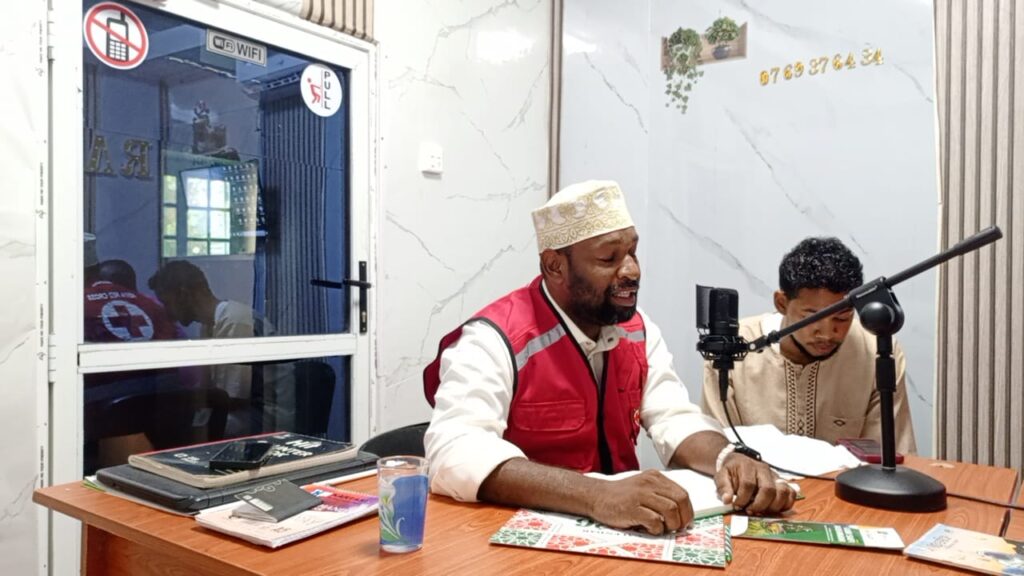
(Photo/ Courtesy)
By The COAST Reporter
Email, thecoastnewspaper@gmail.com
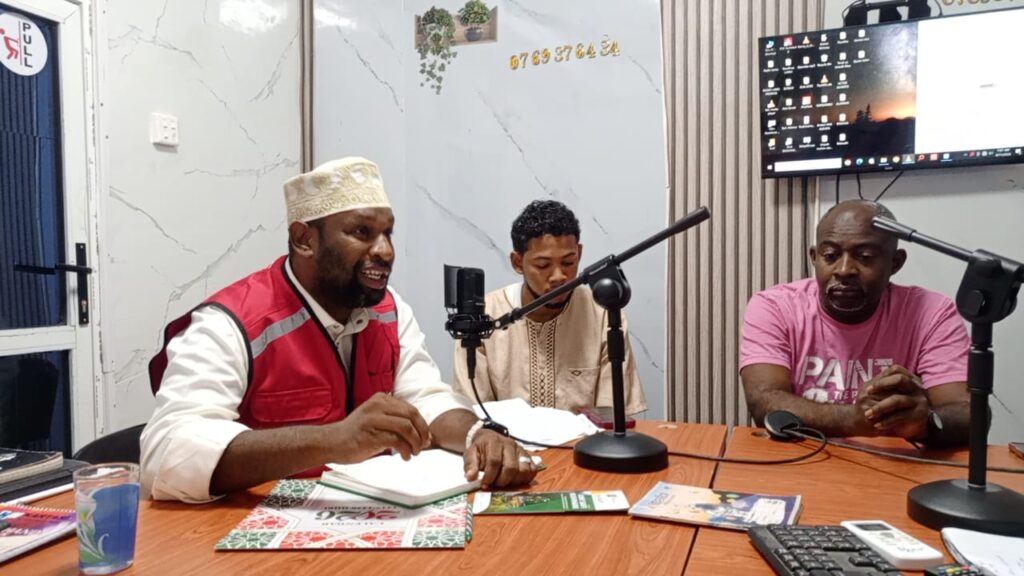
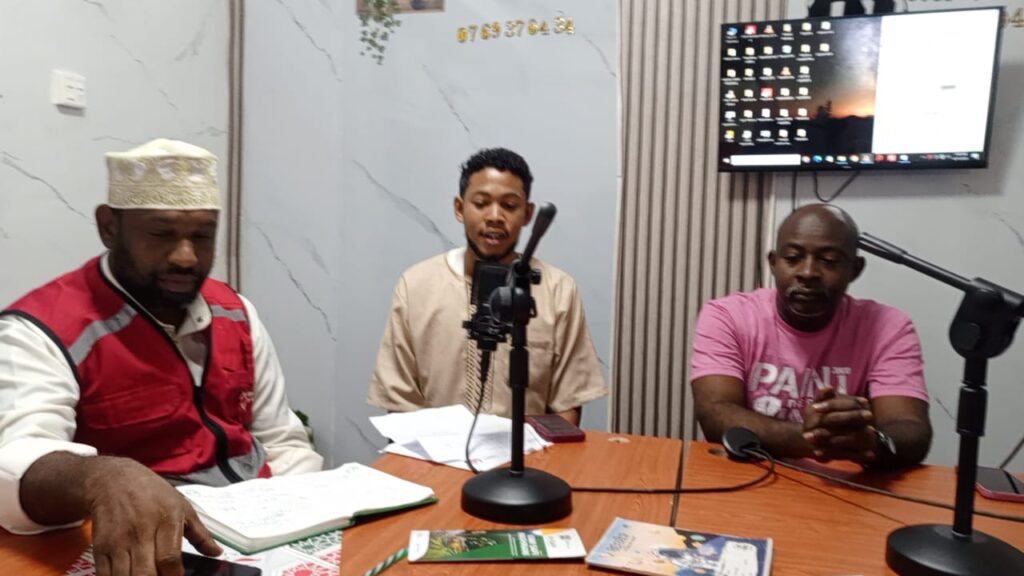
A successful radio talk show aired on Radio Lamu brought together key stakeholders to discuss an upcoming initiative aimed at strengthening community resilience through integrating Nature-Based Solutions (NBS) into Disaster Risk Reduction (DRR).
The initiative will be implemented by Kenya Red Cross Society in partnership with World Wide Fund for Nature and Lamu County Government reinforcing a multi-stakeholder approach to climate resilience and sustainable development in Lamu County.
The discussion featured the Director of Disaster Management and Peacebuilding Shee Kupi Shee, alongside County Redcross Cordinator Abdulhakim Mahmud and NBS Project officer (Kenya Redcross) Nassir Abu.
Highlighting the Role of Kenya Red Cross
During the session, Abdulhakim Mahmoud provided an overview of the Kenya Red Cross Society’s mandate, mission, and guiding principles, emphasizing the organization’s commitment to humanitarian service grounded in compassion, neutrality, and humanity.
He reminded listeners of the importance of serving others with dignity and compassion, echoing a famous quote by Mahatma Gandhi.
“The best way to find yourself is to lose yourself in the service of others.”
Overview of the Nature-Based Solutions Project
Nassir Abu introduced the ongoing Nature-Based Solutions project in Lamu County, supported by People’s Postcode Lottery and implemented under the broader “Triple Benefit Project – Land to Sea (TBP-L2S)” in partnership with World Wide Fund for Nature.
The multi-year initiative, currently in its second year, focuses on:
1. Environmental restoration
2. Sustainable water management
3. Climate-resilient livelihoods
It is being implemented across Mkunumbi, Witu, Bahari, and Hongwe wards, with key interventions including:
1. Restoration of Lake Kenyatta
2. Mangrove restoration
3. Community-based resilience initiatives.
Introducing the Upcoming DRR–NBS Integration Initiative
The Director of Disaster Management and Peacebuilding introduced an upcoming program under this project that will focus on integrating Nature-Based Solutions into Disaster Risk Reduction.
This initiative aims to ensure that environmental conservation efforts are systematically embedded into disaster risk management strategies, leading to more sustainable and cost-effective resilience building.
He highlighted:
1. Increasing risks of floods, coastal erosion, and drought in Lamu
2. The need for long-term, nature-driven solutions
3. The importance of aligning environmental and disaster management approaches.
He further outlined the step-by-step process for developing a policy brief to guide this integration:
1. Conducting research and situational analysis
2. Engaging communities and capturing local knowledge
3. Consulting stakeholders and partners
4. Developing practical policy recommendations
5. Validating recommendations collaboratively
6. Disseminating the policy brief for implementation.
Strong Public Engagement and Support
The talk show received an overwhelming response from listeners, with many calling in live to congratulate the team for the initiative and the informative discussion.
Listeners expressed strong support and committed to working closely with project leaders to ensure successful implementation.
Many welcomed the opportunity to contribute their ideas and emphasized the importance of community participation.
Call to Action
The public was encouraged to actively participate in the process by sharing their experiences and insights to inform the development of inclusive and locally relevant solutions.
The initiative underscores that sustainable resilience can only be achieved through strong collaboration between communities, government, and partners.
Conclusion
The Radio Lamu talk show successfully raised awareness on the upcoming initiative to integrate Nature-Based Solutions into Disaster Risk Reduction, positioning Lamu County on a path toward more sustainable, inclusive, and effective resilience building.
About The Author