Maritime Sector Urged to Build Resilience Amid Global Shipping Transformation

ICS East Africa chairman Elijah Mbaru addressing media. (Photo By Mbungu Harrison)
By Mbungu Harrison
Email, thecoastnewspaper@gmail.com
The Institute of Chartered Shipbrokers (ICS) has called on maritime professionals, students, and industry stakeholders to embrace resilience, innovation and continuous professional development as the global shipping industry navigates unprecedented technological, environmental and geopolitical changes.
Speaking during a maritime industry forum in Mombasa, ICS East Africa chairman Elijah Mbaru said the maritime sector is operating in an increasingly complex environment shaped by global supply chain disruptions, climate change, technological transformation, cybersecurity threats, geopolitical tensions, and evolving regulatory requirements.
Mbaru said resilience has become an essential quality for maritime professionals, describing it as the ability to anticipate change, adapt quickly, and lead confidently in a rapidly evolving industry.
“Resilience today is no longer just about surviving difficult times. It is about developing the knowledge, professional skills, ethical values and innovative mindset needed to remain effective regardless of changing circumstances,” he said.
He noted that the maritime industry remains the backbone of global commerce, with more than 80 per cent of international trade by volume transported by sea.
According to Mbaru East Africa is well positioned to benefit from the expansion of regional ports, improvements in transport corridors, regional integration and the growth of the blue economy, all of which are creating demand for skilled professionals in shipping, logistics, port operations and supply chain management.
He urged students pursuing maritime careers to go beyond academic qualifications by developing critical thinking, leadership, digital literacy, and adaptability.
“The industry is changing rapidly through artificial intelligence, automation, blockchain technology, smart ports, autonomous vessels and green shipping initiatives.
Employers are looking for professionals who can thrive in this new environment,” he said.
Mbaru added that the Institute of Chartered Shipbrokers remains committed to strengthening professional education and capacity building to produce competent and ethical leaders capable of steering the industry into the future.

At the same event, ICS chairman Krishnan Subramaniam underscored the importance of collaboration among maritime stakeholders in building a competitive and globally compliant shipping industry.
Subramaniam said the forum had brought together players from across the maritime value chain to explore opportunities available to young people, particularly along Kenya’s coastline while identifying ways of leveraging existing institutions such as the Kenya Ports Authority and working closely with the Kenya Maritime Authority.
“The shipping industry is one industry operating under one standard. Our common denominator is the ship, and every stakeholder depends on the other. None of us can succeed in isolation,” he said.
He stressed that closer cooperation would improve efficiency in cargo movement, strengthen compliance with international standards and ensure the industry produces professionals capable of meeting emerging global demands.
Subramaniam said the maritime sector must also prepare for major global shifts, including the transition towards decarbonization and the industry’s target of achieving net-zero emissions by 2050.
He noted that disruptions affecting strategic global shipping routes, including the Strait of Hormuz, continue to increase the cost of doing business, making it necessary for the industry to build more resilient and efficient supply chains.
He also highlighted the growing role of e-commerce in enhancing connectivity between ports and inland markets, saying digital trade presents new opportunities for African economies.
“Shipping accounts for about 90 per cent of global trade by volume. Africa must move from being merely a participant to becoming an active player by translating policies into practical action and focusing on measurable outcomes,” he said.
The forum also marked another milestone for the profession with the opening of a new Institute of Chartered Shipbrokers office at the Bandari Maritime Academy.
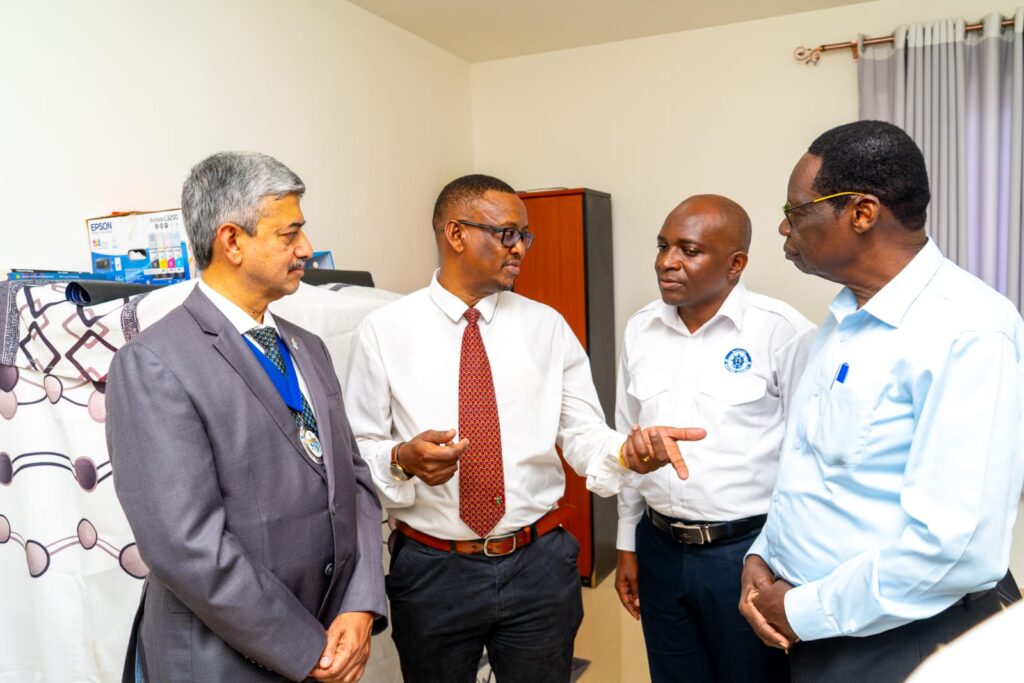
The new office is expected to serve as a regional hub for professional training, knowledge sharing and technical support for students and practitioners seeking internationally recognized qualifications in shipping and maritime logistics.
Industry leaders expressed optimism that the expanded presence of ICS in Kenya will strengthen professional standards, enhance skills development and support the growth of a competitive maritime workforce capable of driving the region’s blue economy agenda.
About The Author