World Vision and Lamu County Partner to Enhance Peace Building Efforts
(Photo/ Courtesy)
By The COAST Reporter
Email, thecoastnewspaper@gmail.com
Lamu County, Kenya: A comprehensive Conflict Mapping and Analysis Exercise has been successfully conducted in Lamu County targeting key hotspot areas including Witu, Faza, Basuba, and Kiunga with the aim of strengthening peacebuilding interventions and enhancing community resilience.
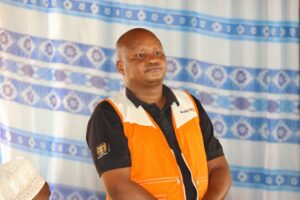
The exercise was spearheaded by World Vision Lamu area programme under the leadership of Dr Festus Mukoya, peace and social cohesion adviser. It was implemented in close collaboration with the Lamu County directorate of peacebuilding, coordinated by Shee Kupi Shee.
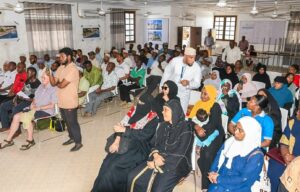
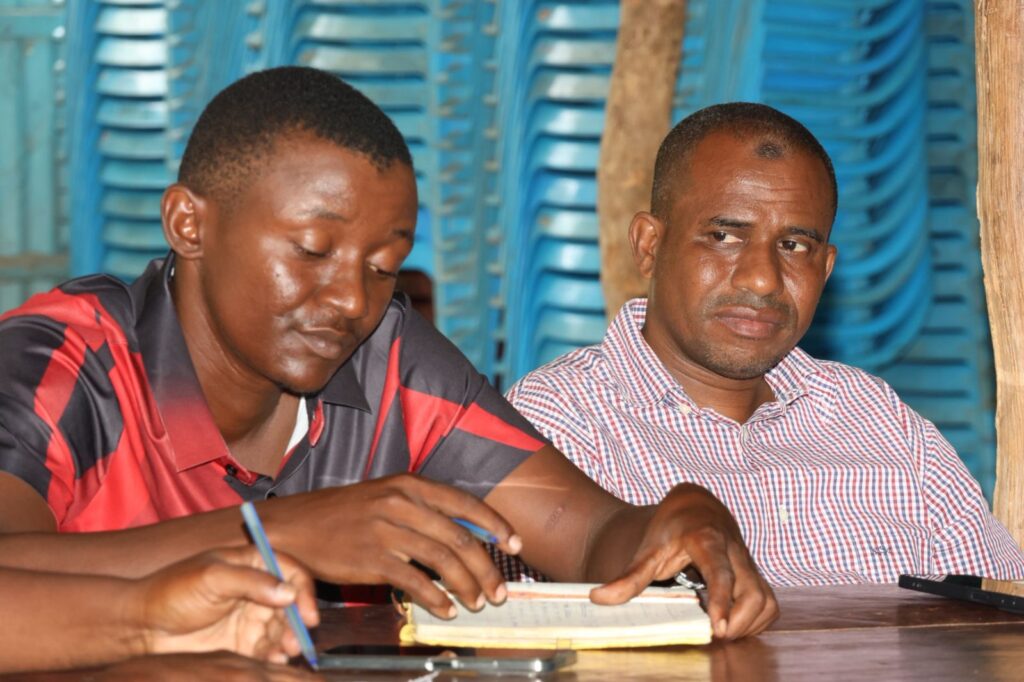
The multi-stakeholder process brought together women, youth, elders, religious leaders, local administration, and security actors, providing a platform to assess conflict dynamics, identify root causes, and propose sustainable solutions.
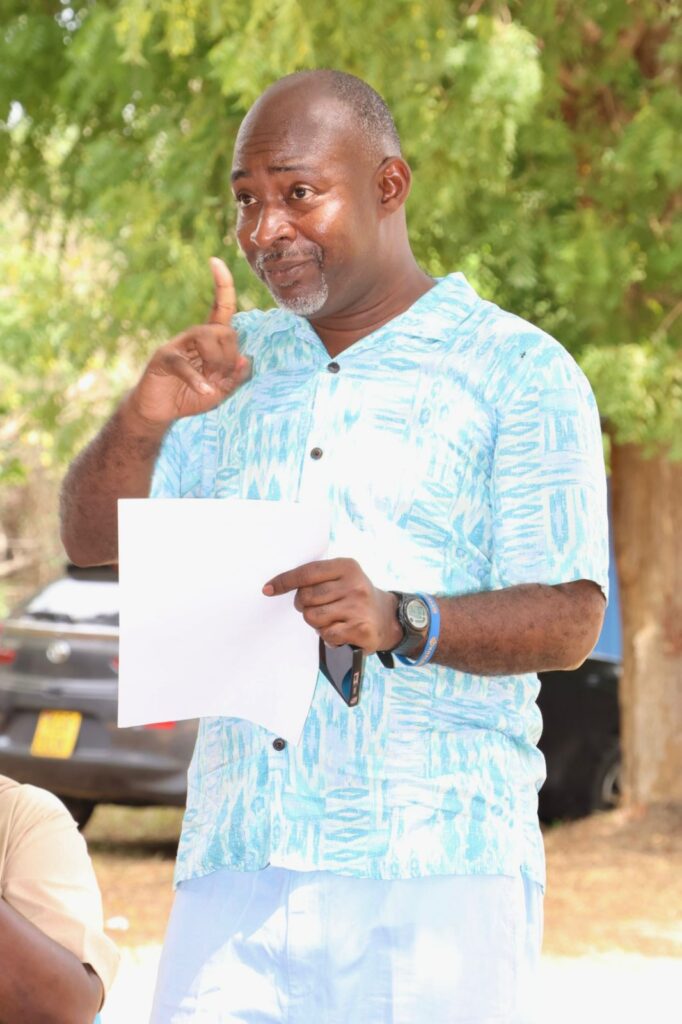
Dr Mukoya noted: “Sustainable peace requires a deep understanding of local conflict dynamics and the active involvement of communities. This exercise provides a strong foundation for targeted interventions that address both immediate and structural drivers of conflict in Lamu County.”
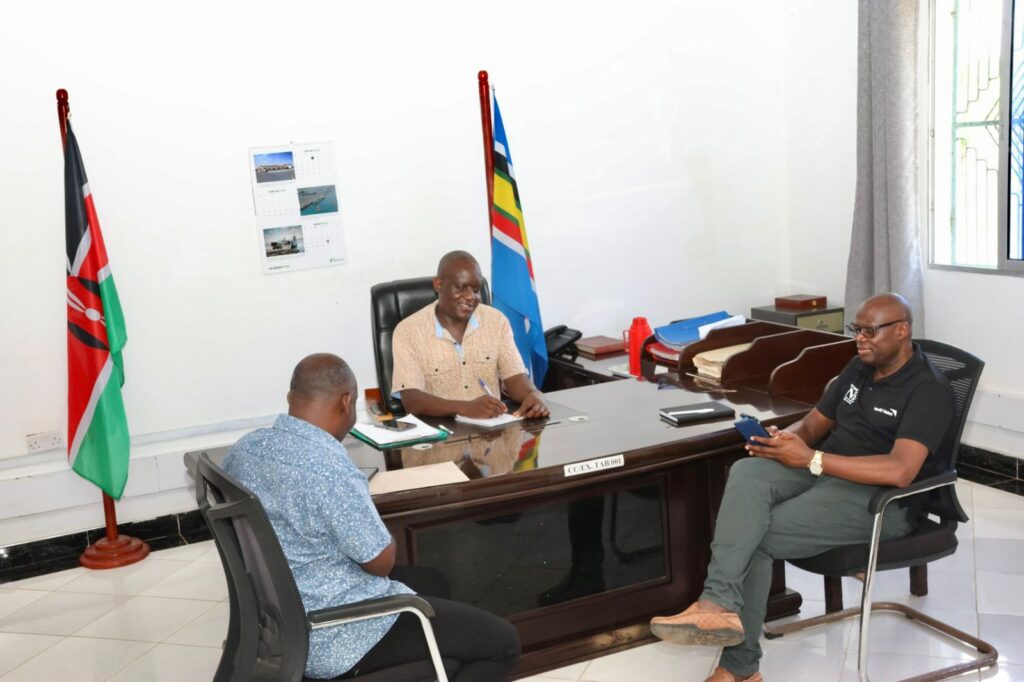
At the Governor’s Office, the chief of staff Abdulnassir Mohammed welcomed the World Vision team and reaffirmed the County government’s commitment to collaborative peacebuilding.
The chief of staff Abdulnassir stated: “The County Government of Lamu remains committed to working with partners to strengthen social cohesion and ensure that development and peace efforts go hand in hand for the benefit of our communities.”
At the County Commissioner’s Office, Deputy County Commissioner Jasphet Nyongesa received the team and highlighted ongoing government-led peace initiatives.
“The National Government continues to implement various peace and security programs in Lamu, and partnerships such as this are critical in complementing government efforts and enhancing community trust and resilience.”
Shee Kupi Shee, who coordinated the exercise at the county level, emphasized the importance of partnerships in addressing complex conflict dynamics.
“This exercise demonstrates the power of collaboration between development partners, government institutions, and local communities in addressing complex conflict dynamics and building sustainable peace.”
The insights gathered will inform evidence-based programming focused on land-related conflicts, youth empowerment, strengthening local peace structures, and improving coordination between communities and security actors.
About The Author