Clean Energy Project Set to Transform Bamba and Ganze Communities in Kilifi
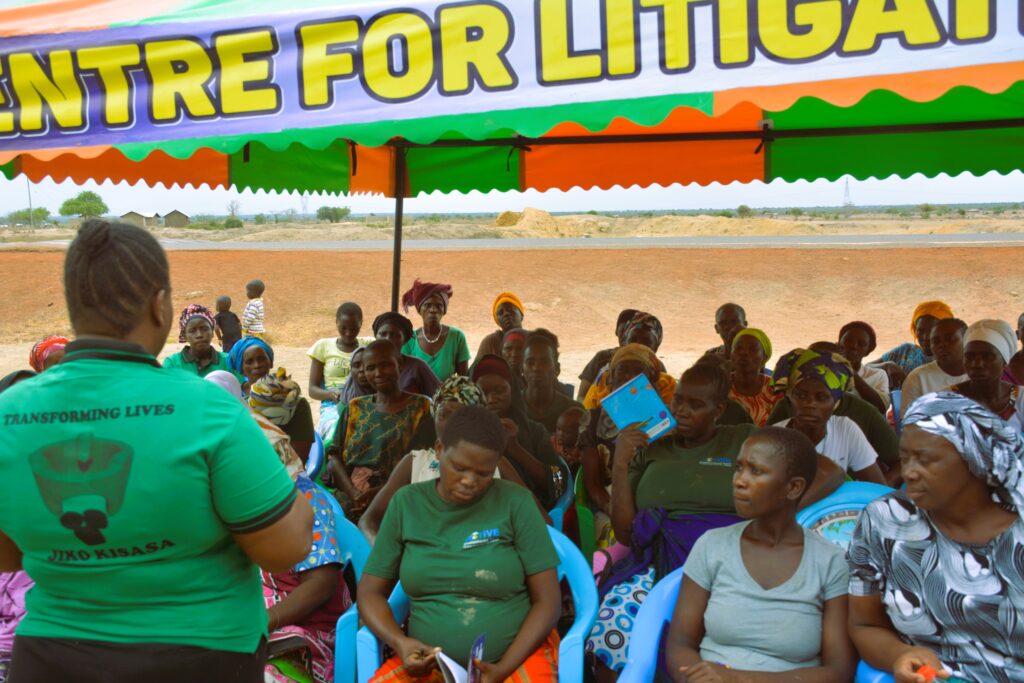
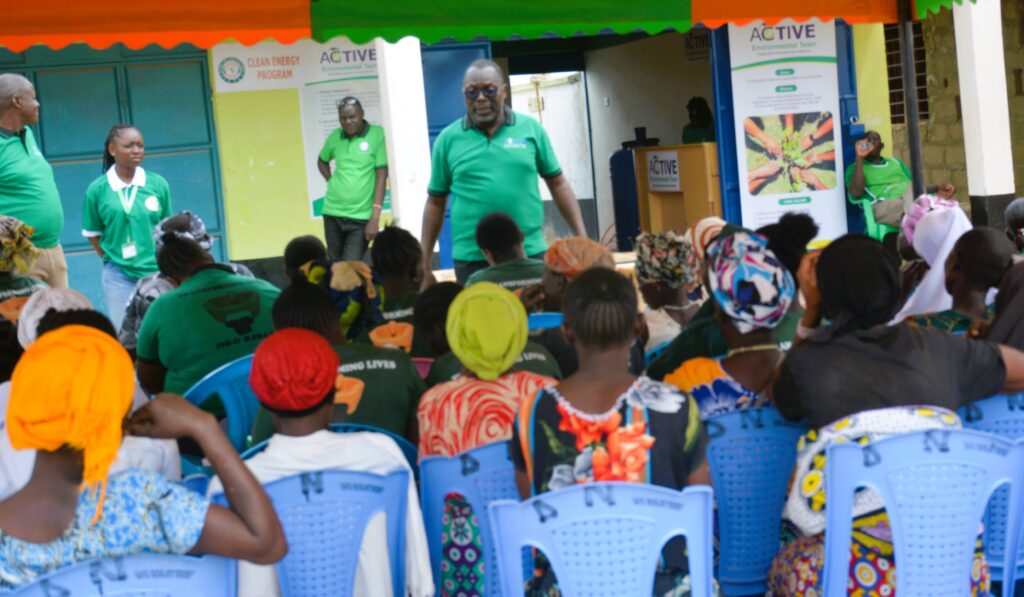
Women Groups in Ganze undergoing advocacy on clean cooking energy . Photo (Courtesy)
By Mbungu Harrison
Email,thecoastnewspaper@gmail.com
Residents of Bamba and Ganze in Kilifi Country are embracing a new era of clean cooking energy following the launch of a transformative community-based project aimed at restoring forest cover, combating climate change, and uplifting livelihoods.
For decades, families in Bamba have relied on firewood and charcoal for cooking. An economic necessity that has come at a cost for the environmental ecosystem.
Rampant tree cutting has significantly reduced forest cover, worsened water scarcity, and accelerated the spread of desert-like conditions linked to the expansion of the nearby Taru desert.
The environmental degradation has compounded poverty and health challenges in the region.
In response, the Active Environmental Team, in partnership with the Center for Litigation Trust, has rolled out a three-day intensive training program at Bamba Market in Ganze Sub-County to mitigate emerging issues.
The initiative equips women and youth with skills to produce energy-efficient cooking stoves known as Jiko Kisasa, alongside seed funding to kickstart small enterprises.
The modern stoves use briquettes compressed blocks made from biomass materials such as charcoal dust and agricultural waste as a cleaner, longer-lasting fuel alternative.
Unlike traditional stoves, Jiko Kisasa produces less smoke, consumes less fuel, and reduces pressure on dwindling forests.
Dorothy Mbeyu Mwangolo, a resident of Bamba village, says her life has long revolved around firewood and charcoal usage for cooking.
“I have used wood and charcoal for a long time. Charcoal sells at Sh700 per 50kg and sometimes rises to Sh1,000 depending on the season. It has been very expensive for us,” she said.
Now adopting the Jiko Kisasa, Mbeyu describes it as efficient and smoke-free. She is urging fellow women to transition to the cleaner alternative, saying it not only saves money but also protects their health.
A few meters away in Kasiani sub-location, Janet Reyanae Lolhojine echoes similar concerns.
For years, she depended solely on firewood, often walking long distances to collect it as charcoal remained unaffordable and scarce.
“Our trees are disappearing. If we don’t act now, Bamba will turn into a desert,” she warned.
The region continues to face acute water shortages and food insecurity, with many households turning to charcoal burning as a primary source of income.
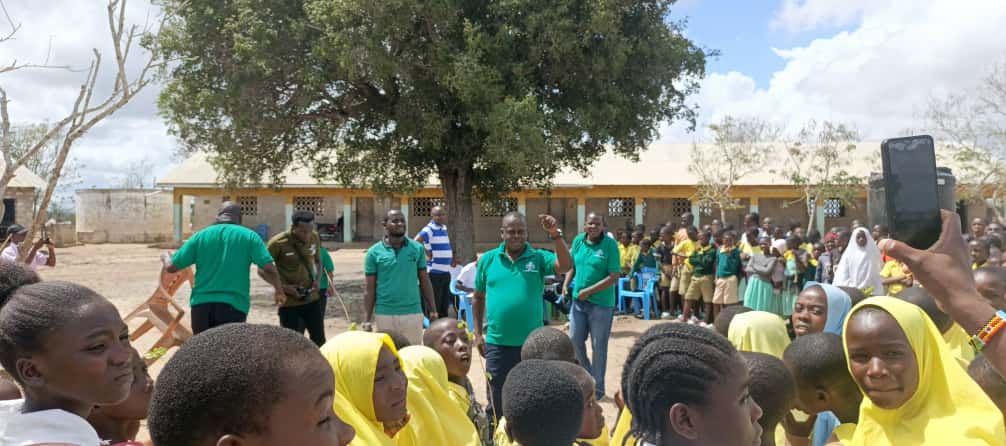
However, project coordinator Faith Mukambe Kadenge says the clean energy initiative is designed to break this cycle.
“Smoke affects the respiratory health of children. We want this to be a thing of the past. We want charcoal burning to stop and people to focus on planting trees and using alternative energy sources,” she said.
Japhet Kithi, chairman of the Active Environmental Team and a resident of Dzovuni, noted that the project is training 20 women as Trainers of Trainers (TOTs) who will pass on the knowledge to others across the community.
“We want to impact positive change both environmentally and economically. Through briquette production and Jiko molding, women will have an alternative source of income while conserving the environment,” he said.
Climate expert Patrick Ochieng from the Center for Litigation Trust emphasized that Bamba is among the areas hardest hit by climate change in Kilifi County.
“Deforestation has worsened water shortages and poverty levels. When people lack food and water, they are severely affected. All levels of government must step in to create lasting solutions,” he said.
Jiko Kisasa consultant Joseph Caleb Ochere explained that the stove is molded using special clay and hardened to withstand high temperatures, making it durable and suitable for long-term use. He believes the project will spark entrepreneurship among women who can produce and sell the stoves locally.
“This project will help many women become self-reliant. They can mold the jikos and sell them as a business venture,” Ochere said, adding that his motivation stems from witnessing the disappearance of firewood in his own home region.
Beyond clean cooking, organizers say the broader vision includes reforestation efforts, sustainable livelihood programs, and long-term climate resilience strategies.
As Bamba’s women take the lead in adopting clean energy technology, the initiative signals more than just a shift in cooking methods.
It marks the beginning of environmental restoration, improved public health, and renewed economic hope for communities in Ganze and beyond.