Refining the Gateway: Kenya’s Oil Ambitions Rest on Mombasa’s Port
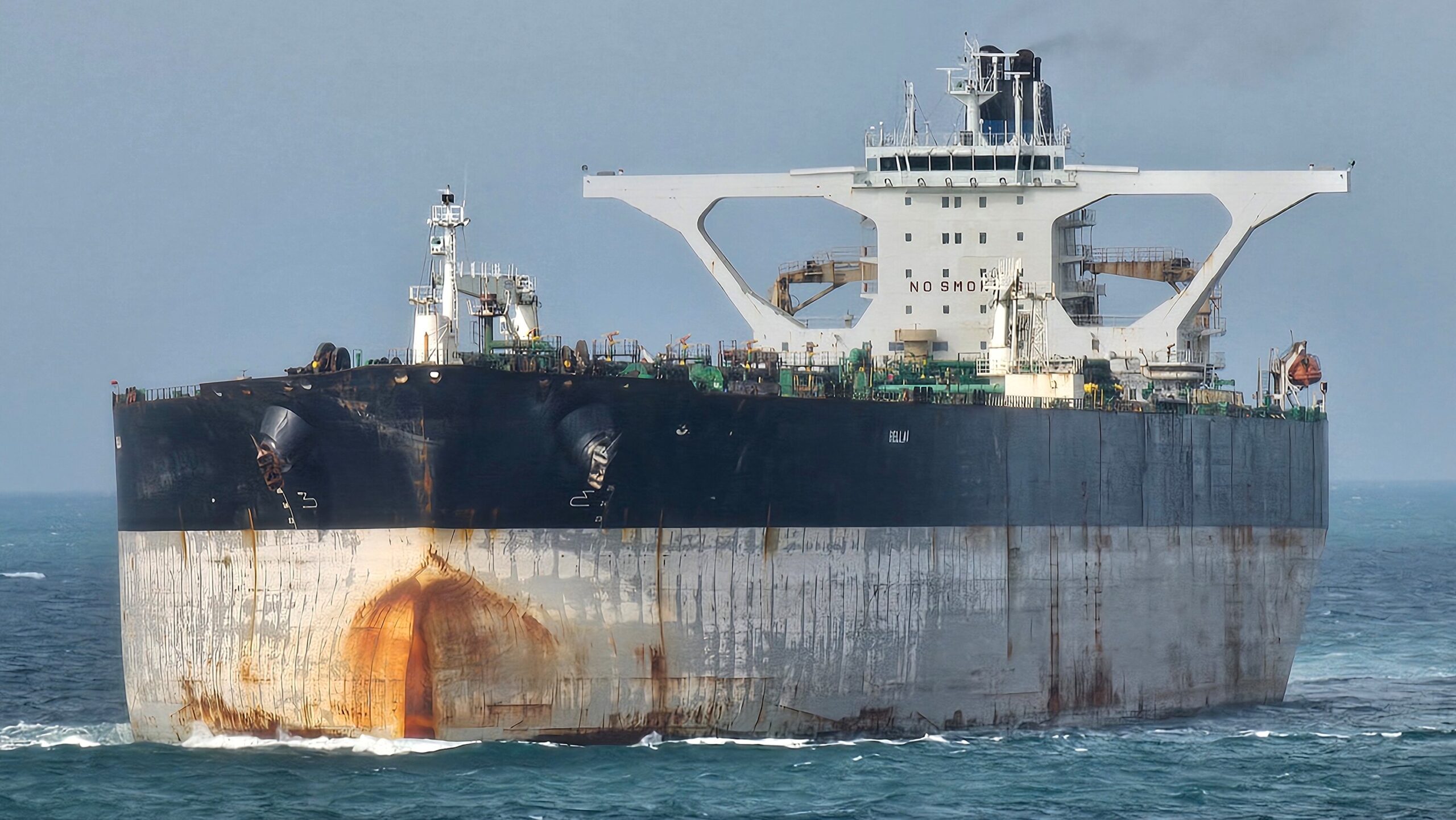
Oil vessel in the sea (Photo/courtesy)
By Andrew Mwangura
Email, thecoastnewspaper@gmail.com
Kenya stands at the cusp of an oil era. Yet the true measure of this moment lies not in the remote basins of Turkana, but at the edge of the Indian Ocean.
As the nation prepares to transition from oil discovery to commercial export, the Port of Mombasa emerges as the linchpin—the critical interface where ambition must be tempered by infrastructure, and promise must be matched by performance.
This reality came into sharp relief last week, when a joint parliamentary delegation toured Mombasa’s petroleum handling facilities. The visit was no photo opportunity. It was a deliberate, technical examination of Kenya’s readiness to move crude from the South Lokichar Basin to the global market.
With public participation ongoing for the Turkana oil field development plans, the question is no longer whether Kenya has oil, but whether it has the operational excellence to profit from it.
Led by Senator Danson Mungatana and MP David Gikaria, the delegation engaged officials from the Kenya Ports Authority (KPA), the Kenya Pipeline Company (KPC), and the Ministry of Energy.
The dialogue was pointed: can the port handle crude exports safely, efficiently, and competitively?
At the heart of the answer is the Kipevu Oil Terminal—a multi-billion-shilling, state-of-the-art facility with four berths stretching 770 metres. KPA officials assured lawmakers that the infrastructure is ready.
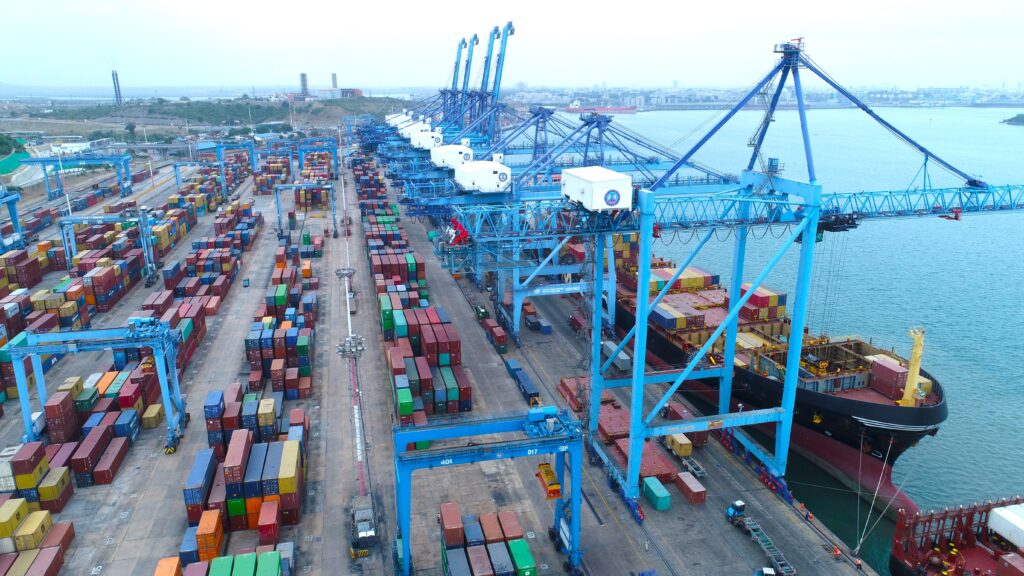
But readiness is more than concrete and steel. It is about systems, safety protocols, interagency coordination, and environmental safeguards. A single lapse—a delay, a spill, a security breach—could undermine investor confidence and erode the value of Kenya’s resource.
The legislators’ inspection covered the full coastal supply chain: from KPA berths to pipeline storage tanks, refinery sites, and valve stations.
This integrated view is essential. Oil export is not a single act but a symphony of moving parts. Storage must align with shipping, marine operations with emergency response, regulation with execution. A weak link anywhere risks failure everywhere.
This coastal scrutiny is part of a broader national conversation—one spanning Turkana to Lamu—about who benefits from Kenya’s oil and how risks are managed.
Coastal communities have as much at stake as those in the extraction zones: in jobs, environmental health, and economic spin-offs.
The parliamentary process, therefore, is not merely technical; it is deeply democratic.
If managed with discipline, the South Lokichar development could fuel industrial growth, generate foreign exchange, and create thousands of jobs. But these outcomes are not guaranteed.
They depend on governance, transparency, and infrastructure that functions as promised.
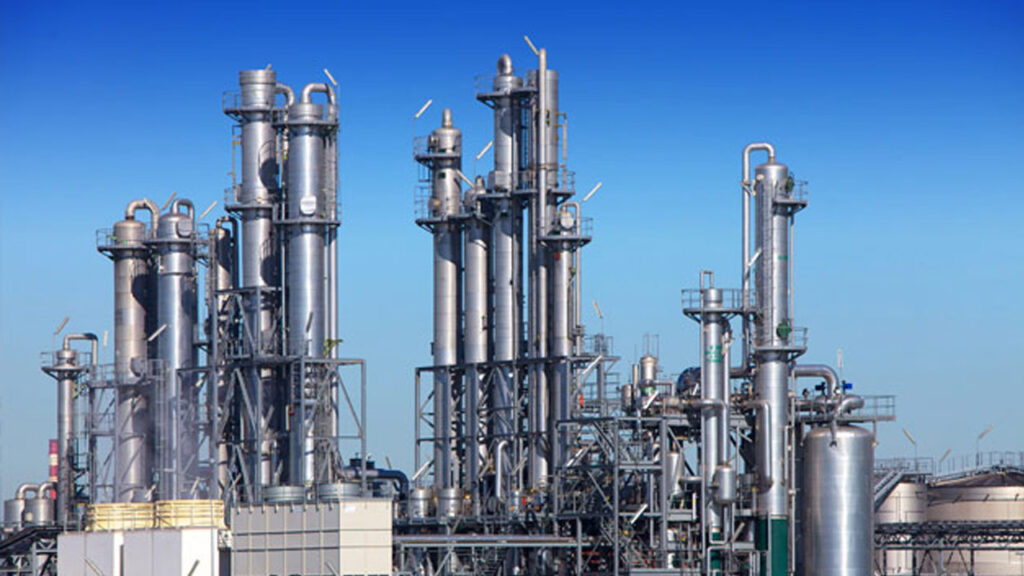
In this equation, the Port of Mombasa is more than a transit point. It is Kenya’s gateway to the world—and the ultimate test of whether the nation can transform underground wealth into lasting prosperity.
The parliamentary visit underscored a vital truth: oil wealth is won not just at the wellhead, but at the port gate, where vision meets reality.
Mr Mwangura, an independent maritime consultant, is the former Secretary General of the Seafarers Union of Kenya.
About The Author