Reclaiming Efficiency at the Port of Mombasa: A Vital Reset for Kenya’s Trade Gateway
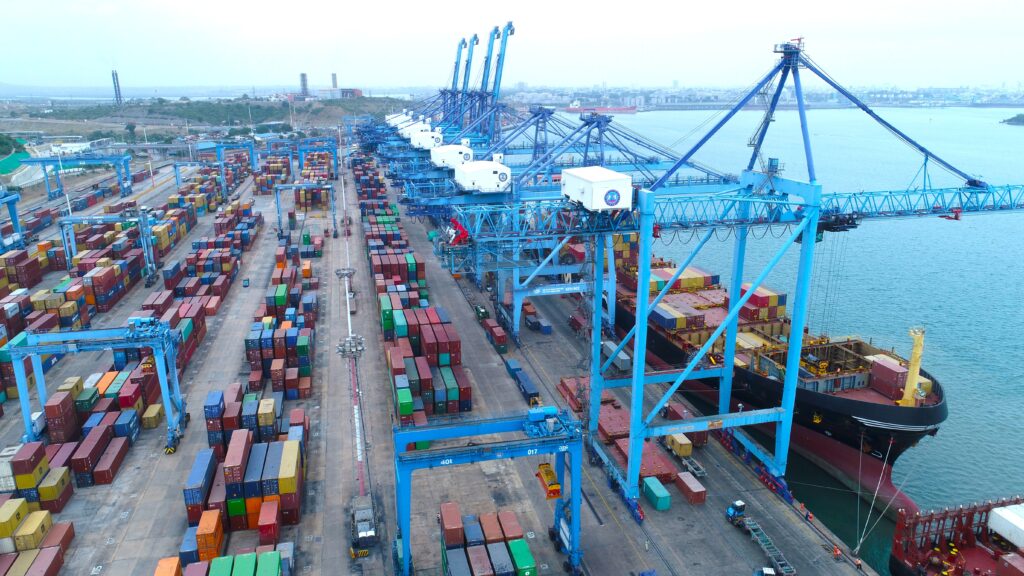
The Port of Mombasa ( Photo/Courtesy)
By Andrew Mwangura
Email, thecoastnewspaper@gmail.com
The recent pledge by Kenya Revenue Authority (KRA) commissioner general Humphrey Wattanga and Kenya Ports Authority (KPA) managing director Captain William Ruto to boost efficiency at the Port of Mombasa is a timely—and essential—intervention.
Mombasa is far more than a maritime facility; it is the economic heartbeat of Kenya and the Northern Corridor, a vital artery for the nation and its landlocked neighbours.
Inefficiency here does not stay within the harbour walls—it ripples outward, inflating business costs, delaying cargo, and eroding regional competitiveness.
The recent stakeholder meeting at the port, which brought together shipping lines, the Kenya International Freight and Warehousing Association (KIFWA), transporters, and other industry players, was therefore significant.
It acknowledged a fundamental truth: port efficiency cannot be mandated from headquarters alone. It must be forged through genuine collaboration with those who navigate the logistics chain daily and bear the brunt of congestion, procedural delays, and systemic bottlenecks.
The joint KRA-KPA measures to reduce cargo dwell time and expedite customs clearance mark a positive step. Dwell time has long been Mombasa’s Achilles’ heel.
While substantial investments in physical infrastructure—berths, terminals, and roads—are evident, their benefits have often been undermined by administrative inefficiencies and fragmented processes.
This new, coordinated approach recognises that efficiency relies as much on seamless systems and cooperation as on concrete and steel.
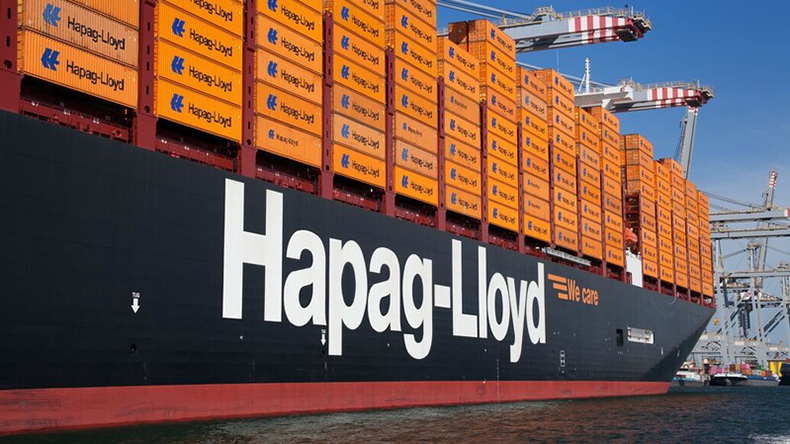
The persistent issue of long-stay containers exemplifies the challenge. These units clog precious yard space, hamper operations, and create congestion that penalises even the most compliant importers.
Tackling this problem decisively signals a commitment to fluidity and operational discipline. However, enforcement must be consistent, fair, and transparent—designed to foster predictability, not to punish arbitrarily.
The focus on sharpening the Northern Corridor’s competitive edge is equally crucial. The corridor faces mounting rivalry from alternative regional routes and ports, many of which tout faster turnaround and streamlined procedures.
For Mombasa to retain its premier status, efficiency must evolve from an aspiration into a measurable, sustained reality. In the end, shippers and cargo owners respond to performance, not promises.
What stands out in the leadership of Mr Wattanga and Cap Ruto is their recognition that institutional silos strangle port performance. Customs and port operations are intertwined; a delay in one inevitably stalls the other.
A truly integrated approach—where KRA and KPA align procedures, share data, and synchronise priorities—offers the best hope for drastically cutting clearance times. This collaboration must extend beyond boardroom agreements to tangible, daily coordination on the ground.
The involvement of clearing agents, transporters, and shipping lines is also pivotal. Their inclusion affirms that efficiency is a shared responsibility.
While government agencies must provide a transparent and predictable regulatory environment, private sector players must equally commit to compliance, adopt digital systems, and abandon practices that cause delays. Mutual accountability is the bedrock of lasting reform.
That said, stakeholder engagement cannot be a singular event. To sustain momentum, it requires continuous dialogue, regular feedback, and public performance tracking. Clear, openly published benchmarks on dwell time, clearance durations, and cargo evacuation rates are essential. Transparency builds trust and allows all parties to gauge whether reforms are delivering tangible results.
Ultimately, this renewed commitment by KRA and KPA presents an opportunity to reset the narrative around the Port of Mombasa. Efficiency here is not the end goal—it is the means to lower trade costs, spur industrial growth, and cement Kenya’s role as a regional logistics hub.
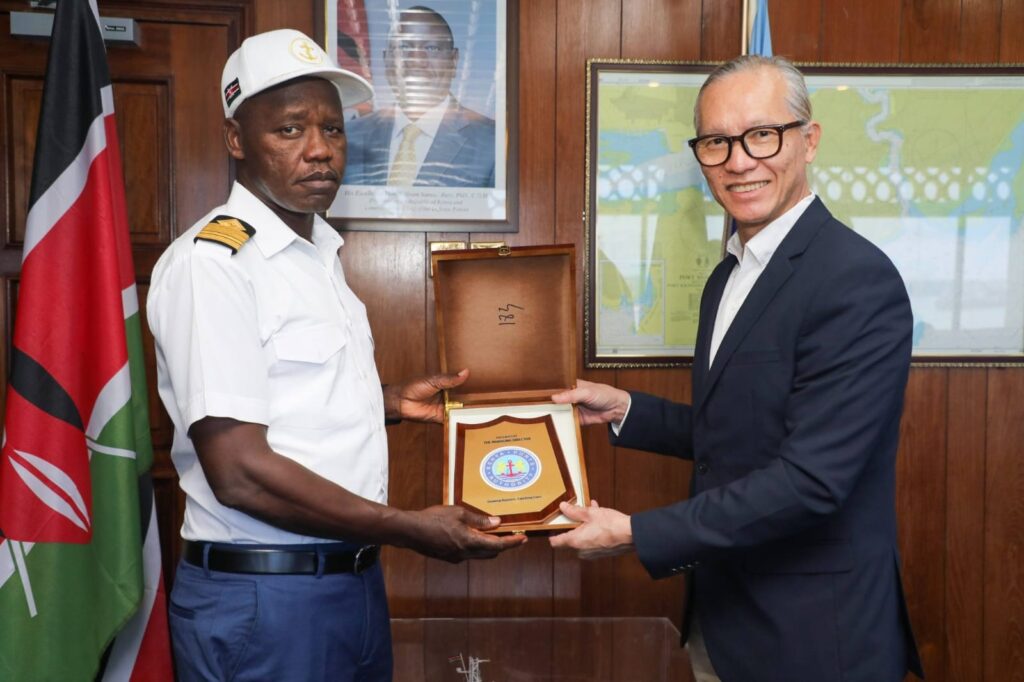
The blueprint is promising; the test now lies in execution. If these joint measures translate into consistent, visible improvements, Mombasa will not only fortify the Northern Corridor but also reaffirm its place as the region’s reliable and dynamic trade gateway.
Mr. Mwangura is an independent maritime consultant and former Secretary General of the Seafarers Union of Kenya (SUK).
About The Author