Training That Matters: Why Sea-Time Partnerships Are the Missing Link in Kenya’s Maritime Ambition
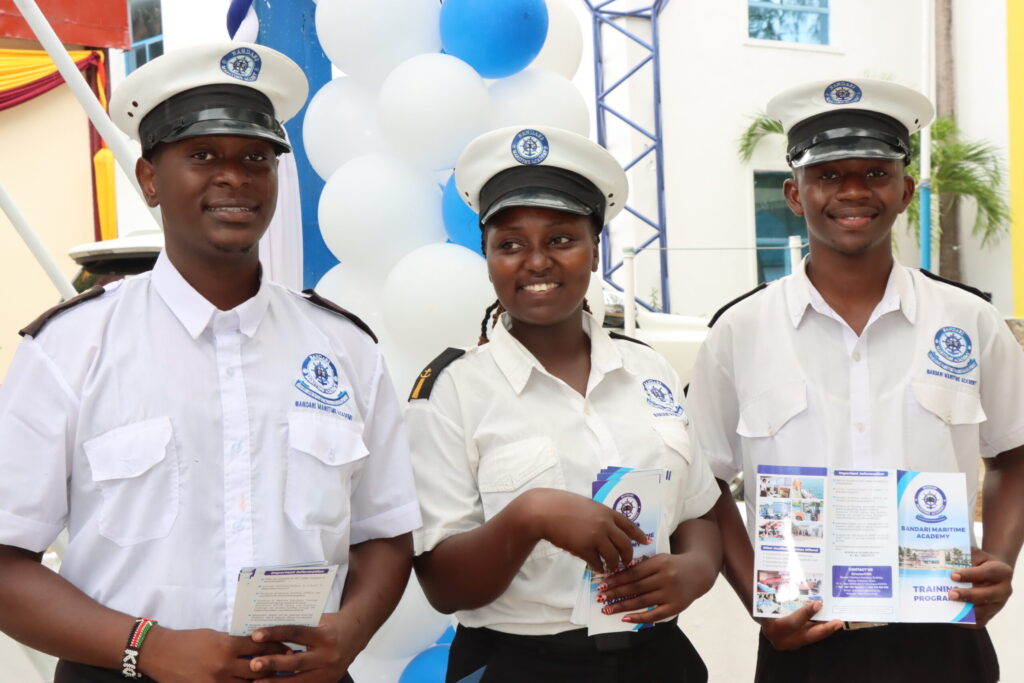
Bandari Academy Cadets
By Andrew Mwangura
Email, thecoastnewspaper@gmail.com
The recent departure of ten cadets from Bandari Maritime Academy (BMA) for a six-month sea-time training programme may not have attracted national headlines, but it represents one of the most consequential developments in Kenya’s maritime sector in recent years.
Through a partnership with Danica Crewing Specialists, these cadets will gain hands-on experience aboard international vessels—an essential requirement for professional certification and entry into global maritime careers.
In a sector where ambition has often outpaced execution, this initiative deserves closer attention.
For decades, Kenya has spoken confidently about its maritime potential. From the strategic position of the Port of Mombasa to the promise of the Blue Economy, policy documents and speeches have repeatedly highlighted shipping, logistics, and seafaring as engines of growth.
Yet beneath these aspirations lies a persistent structural weakness: the gap between maritime training and actual sea-time experience.
Without sea-time, certificates remain incomplete, careers stall, and training institutions risk producing graduates who are technically qualified but practically stranded.
Sea-time is not a luxury in maritime careers; it is a non-negotiable requirement. International maritime conventions and certification regimes demand that cadets spend defined periods at sea, learning the realities of shipboard operations, safety procedures, navigation, engineering routines, and the discipline of life on a working vessel.
No amount of classroom instruction can substitute for this exposure or translate into internationally recognized competence.
For Kenyan cadets, access to sea-time has historically been the single greatest barrier to employment.
It is against this backdrop that the BMA–Danica partnership must be understood. By placing Kenyan cadets on international vessels for structured sea-time training, the programme addresses the most stubborn bottleneck in maritime human resource development. It moves training from theory to practice, from promise to pathway.
More importantly, it does so through collaboration with an established international crewing firm, embedding Kenyan trainees directly into the global maritime labour market rather than confining them to local or ad hoc arrangements.
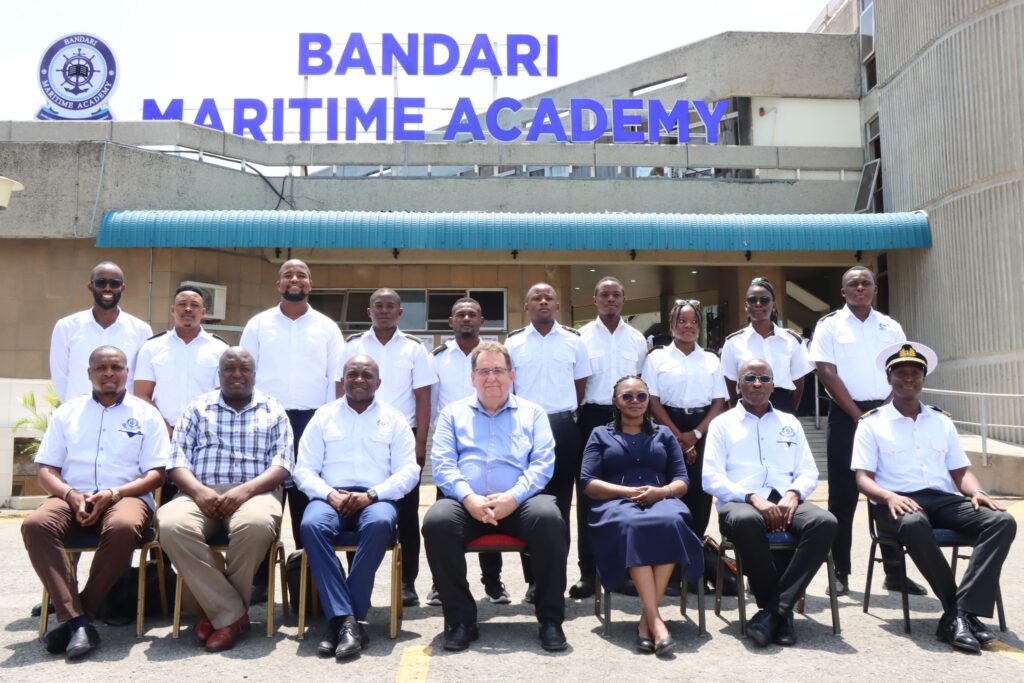
The involvement of BMA is equally significant.
As Kenya’s flagship maritime training institution, BMA carries the weight of national expectations. Its credibility depends not only on curriculum and facilities but on outcomes: how many cadets complete certification, secure employment, and sustain maritime careers.
Under the leadership of chief executive officer Dr. Eric Katana, the Academy’s growing emphasis on industry partnerships signals a pragmatic shift.
Training institutions cannot operate in isolation from shipping companies and crewing agencies if they are to remain relevant.
The role of Danica Crewing Specialists should not be underestimated. By opening its vessels to Kenyan cadets, the company is not merely offering training slots—it is extending trust.
Shipowners and crewing managers are inherently risk-averse, particularly where safety and operational efficiency are concerned.
Welcoming cadets from a developing maritime nation into international fleets reflects confidence in the quality of training and oversight being provided.
That confidence, once established, can have a multiplier effect, creating opportunities for future cohorts and strengthening Kenya’s reputation as a source of competent seafarers.
Beyond the individual cadets, the broader implications of this programme are substantial.
Every Kenyan seafarer who successfully completes sea-time and enters international employment becomes an economic asset.
Seafarers remit foreign earnings, acquire advanced skills, and return with global exposure that enriches the local maritime ecosystem. At scale, this contributes to employment creation, skills transfer, and the positioning of Kenya as a credible maritime labour-supplying nation.
The programme also carries an important lesson for policymakers. Maritime development cannot be achieved through infrastructure alone. Ports, ships, and Blue Economy strategies are ultimately sustained by people.
If Kenya is to compete regionally and globally, investment in human capital must move beyond rhetoric to practical mechanisms that connect training to work.
Structured sea-time partnerships are one such mechanism, and they require deliberate facilitation, policy support, and sustained engagement with international industry players.
Still, it would be a mistake to view this initiative as an end in itself. Ten cadets, while symbolically powerful, represent only a beginning. The real test will be whether such partnerships are expanded, institutionalized, and protected from the inconsistencies that have plagued past efforts.
Sea-time training must become a predictable pipeline, not a rare opportunity.
That will require coordination between training institutions, regulators, unions, and employers, as well as a clear national commitment to seafarer development.
In sending off these cadets, BMA and Danica Crewing Specialists have demonstrated what focused collaboration can achieve. They have shown that Kenya’s maritime ambitions are not limited by talent but by access and opportunity.
By bridging that gap, even for a small group, they have offered a glimpse of what a functioning maritime training ecosystem could look like.
The task now is to ensure that this model is scaled, sustained, and embedded at the heart of Kenya’s Blue Economy journey.
Mr. Mwangura, an independent maritime consultant, is former Secretary General of the Seafarers Union of Kenya (SUK)
About The Author