Azamara’s Arrival and the Quiet Turning Point for Kenya’s Cruise Ambitions

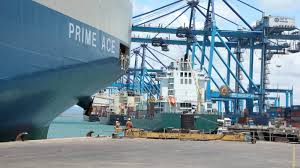
Azamara docks at port of Mombasa. (Photo/ Courtesy)
By Andrew Mwangura
Email, thecoastnewspaper@gmail.com
When the MV Azamara Journey eased into the Port of Mombasa on her maiden call to the East African coast, the moment carried a significance that went beyond ceremony.
This was not merely the arrival of a luxury liner; it was a signal that Kenya’s long-stated ambition to be a serious player in cruise tourism is beginning to translate into lived reality.
Coming just a week after the MV Crystal Symphony docked at the same port, Azamara’s arrival underscores a rhythm that Mombasa has rarely enjoyed: consistency. In cruise tourism, consistency is what turns promise into industry.
The figures alone tell a persuasive story. The Azamara Journey brought 669 international tourists and 386 crew members, all staying for two days, all spending money, all experiencing Kenya in ways that ripple far beyond the port gates.
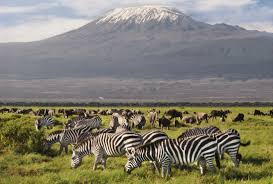
Their itineraries stretched from the historic streets of Mombasa’s Old Town to the open plains of the Masai Mara, the shadow of Kilimanjaro in Amboseli, and the wildlife corridors of Tsavo East. This is not transit tourism. It is deep, high-value engagement with the country’s natural and cultural assets—the kind that cruise lines sell at a premium and destinations compete fiercely to host.
Cabinet secretary for tourism and wildlife Rebecca Miano has cited a striking 140 percent surge in cruise tourism, a growth rate that would be remarkable in any sector, let alone one Kenya has historically underutilized.
This surge has contributed meaningfully to overall visitor numbers, but more importantly, it is reshaping perceptions.
Cruise passengers are not backpackers passing through; they are discerning travelers with global reach and influence. Their experiences, shared widely, quietly market Kenya in ways no advertising campaign can fully replicate.
For decades, Mombasa has been framed primarily as a cargo gateway, its port measured in tonnes, TEUs, and turnaround times. Cruise tourism introduces a different metric: experience. Kenya Ports Authority Managing Director Captain William Ruto has rightly emphasized the authority’s commitment to marketing the cruise segment and providing the infrastructure it demands.
This commitment matters because cruise lines are unforgiving. They choose destinations that offer efficiency, safety, seamless passenger handling, and compelling shore experiences. The confirmation that more vessels are scheduled to call at Mombasa this season suggests that Kenya is increasingly meeting these expectations.
Yet the deeper importance of Azamara’s call lies in its timing. The ship sailed from Zanzibar, a destination that has spent years carefully curating its cruise appeal, and next headed to La Digue in Seychelles, another established player in the Indian Ocean circuit.
To be included in this itinerary is to be judged a peer, not an experiment. It places Mombasa firmly on a route where destinations are compared side by side, where service standards, port experience, and destination readiness are constantly weighed. Kenya’s inclusion signals confidence from the cruise industry that Mombasa can hold its own.
Cruise tourism’s value also lies in its breadth. A single ship arrival activates a wide ecosystem: port workers, tour operators, guides, transport providers, artisans, conservation areas, and hospitality businesses far inland.
When passengers fly from Mombasa to the Masai Mara or Amboseli for overnight excursions, the benefits extend beyond the coast, knitting together regions that rarely share the same tourism narrative.
This is a powerful corrective to the concentration of tourism benefits in a few enclaves and seasons.
Still, moments like this demand sober reflection as much as celebration. Growth of 140 percent is impressive, but sustaining it requires discipline.
Infrastructure must keep pace, not only at the berth but in passenger terminals, security processes, and city access. Training and decent working conditions for port and tourism workers are essential, because service quality is ultimately delivered by people, not facilities.
Environmental stewardship must remain central, as cruise tourism’s credibility increasingly rests on how destinations protect the very ecosystems visitors come to see.
The arrival of the Azamara Journey should therefore be read as a quiet turning point. It shows what is possible when policy focus, port leadership, and destination appeal align.
It suggests that Mombasa is moving from being an occasional stop to a reliable port of call. If Kenya builds carefully on this momentum, cruise tourism can become not a seasonal headline, but a stable pillar of the blue economy.
As the ship departed for Seychelles, leaving behind memories, revenue, and renewed confidence, the message was clear: Kenya’s coast is no longer waiting to be discovered. It is being chosen.
Mr. Mwangura, an independent maritime consultant, is former Secretary General of the Seafarers Union of Kenya (SUK).
About The Author