East African Crude Oil Pipeline Export Hub Taking Shape
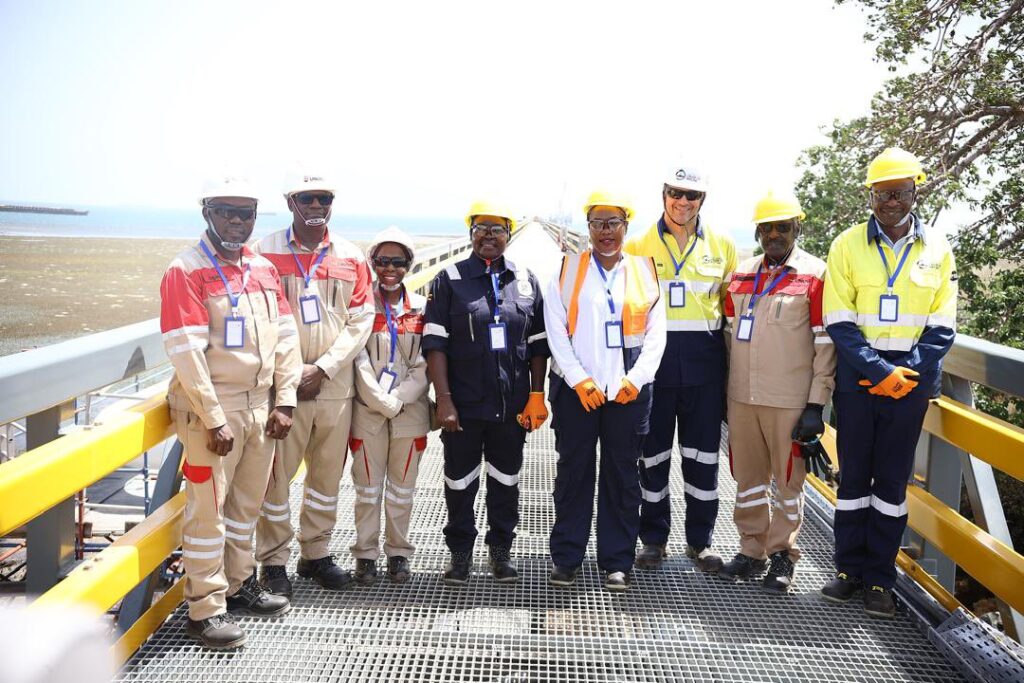
Uganda and Tanzania energy leaders visiting the marine storage and oil terminal facility in Tanga, Tanzania. (Photo/ Courtesy)
By Andrew Mwangura
Email, thecoastnewspaper@gmail.com
The steady emergence of the East African Crude Oil Pipeline (EACOP) export hub at Tanga marks a consequential moment in the economic and political life of East Africa.
What is unfolding on Tanzania’s northern coastline is more than an infrastructure milestone; it is a practical test of regional cooperation, long-term planning, and the ability of neighboring states to translate shared ambition into operational reality.
The recent joint visit by Ugandan and Tanzanian energy leaders to the Marine Storage and Terminal facility in Tanga underscored this point, offering a clear signal that the project has moved beyond abstract promise and into a decisive phase of readiness.
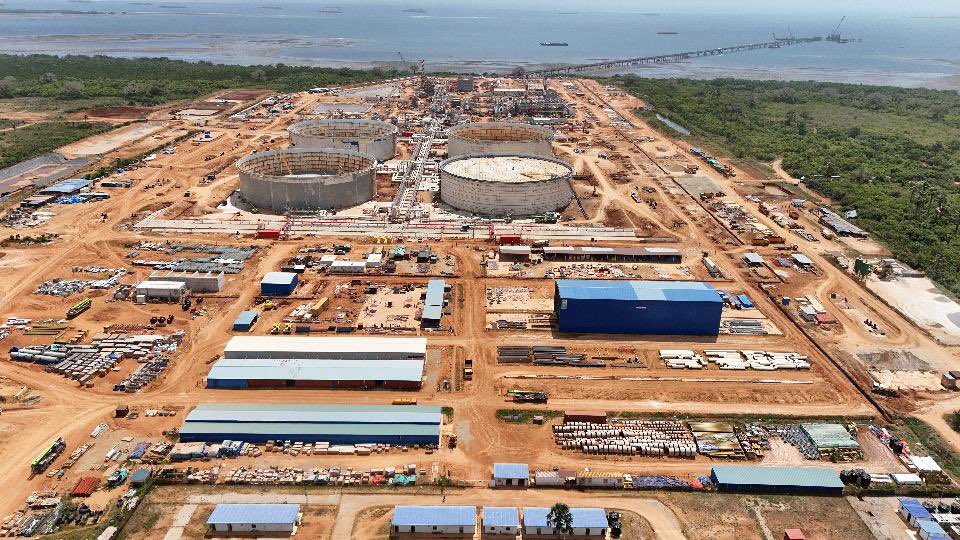
At the heart of the development is a purpose-built marine terminal designed to receive, store, and export Uganda’s crude oil to global markets. The facility comprises four large storage tanks, export pumping systems, and a jetty extending into the Indian Ocean to link inland production to seaborne trade.
With major systems already complete and jetty construction reportedly about 85 percent finished, the project has reached a level of maturity that invites sober assessment rather than speculation.
Planned commissioning in early 2026 situates the export hub firmly within a realistic timeframe, one that reflects both technical complexity and the discipline of phased delivery.
What distinguishes the Tanga export hub is not merely its scale, but the cooperative framework under which it is being realized. Uganda, a landlocked producer, depends on Tanzania’s maritime access, regulatory environment, and coastal infrastructure to unlock the value of its petroleum resources.
Tanzania, in turn, gains from transit revenues, local employment, skills transfer, and the strategic elevation of Tanga as an energy logistics node. This reciprocity has required sustained political alignment, harmonized regulatory approaches, and a shared tolerance for the long gestation periods typical of large energy projects.
The visible progress at the marine terminal suggests that this alignment has held, even as global energy markets and regional politics remain fluid.
The export hub also represents a broader rebalancing of East Africa’s infrastructure map. Historically, the region’s ports have been shaped by containerized trade and bulk commodities such as agricultural produce and minerals.
The addition of a dedicated crude oil export facility introduces a new layer of industrial specialization. Storage tanks, export pumps, and a marine jetty are not simply static assets; they anchor a chain of services ranging from marine pilotage and towage to environmental monitoring and emergency response. In this sense, the Tanga terminal is a catalyst for institutional learning and operational sophistication across the maritime and energy sectors.
Yet, the significance of the project should not be reduced to technical completion alone. The presence of senior energy leaders on site reflects an awareness that infrastructure must earn public confidence through transparency and preparedness.
Readiness is not only about concrete poured and steel erected; it is about systems tested, personnel trained, and protocols established.
The early 2026 commissioning target places responsibility squarely on project stakeholders to ensure that safety, environmental protection, and operational integrity are not compressed by schedule pressure. The credibility of the export hub will ultimately be judged by how seamlessly it integrates into routine operations without incident.
From a regional perspective, the Tanga facility symbolizes a pragmatic approach to economic integration. Rather than relying solely on treaties and declarations, Uganda and Tanzania have advanced cooperation through a shared asset with mutual stakes.
This approach carries lessons for other cross-border projects in East Africa, where enthusiasm often outpaces execution. By focusing on deliverables and sequencing, the EACOP export hub demonstrates that regionalism can be built incrementally, through infrastructure that creates daily interdependence.
There are, of course, broader debates surrounding fossil fuels, energy transition, and climate responsibility. These debates will continue, and rightly so.
However, within the current policy frameworks of both Uganda and Tanzania, the export hub represents an attempt to manage existing resources responsibly while capturing value for national development.
The key question is not whether the facility should exist, but whether it will be operated with the governance standards and foresight required in a changing global energy landscape.
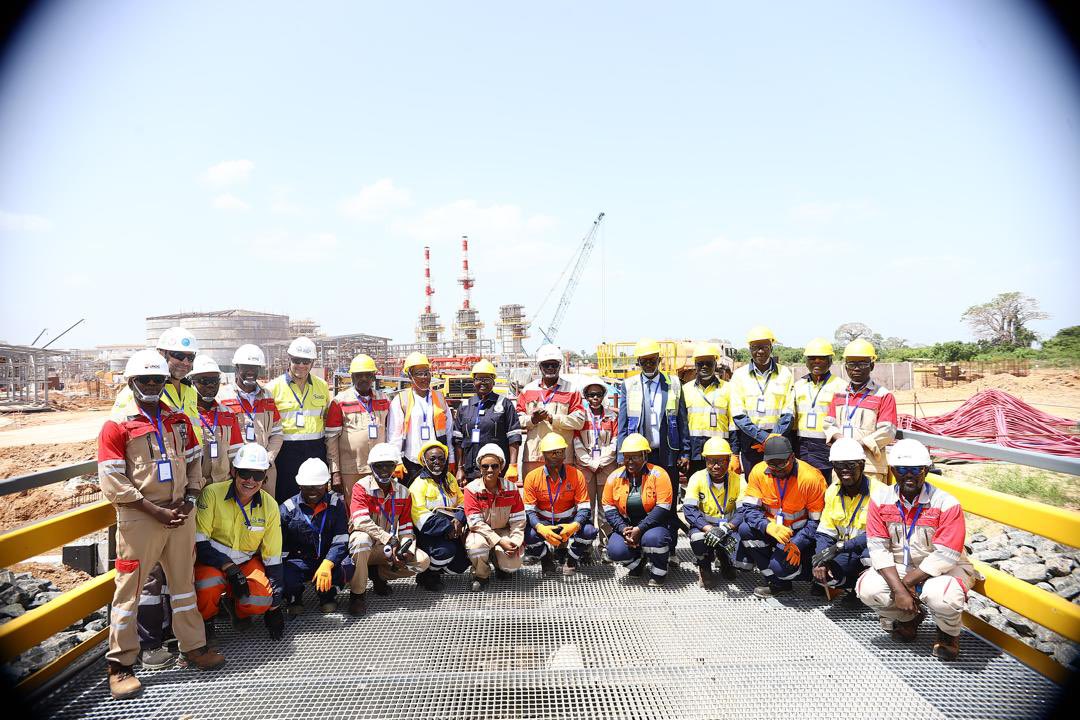
As the jetty nears completion and commissioning draws closer, the Tanga marine terminal stands as a tangible marker of intent. It reflects a region willing to invest in complex infrastructure, to coordinate across borders, and to plan beyond electoral cycles.
If completed and operated as envisaged, the EACOP export hub will not only ship crude oil; it will export a message about East Africa’s capacity to cooperate, deliver, and think strategically about its place in global trade.
Mr Mwangura, an independent maritime consultant is former SUK Secretary General
About The Author