Captain Ruweida Delivers Historic Win for Lamu East with Wildlife Compensation Law
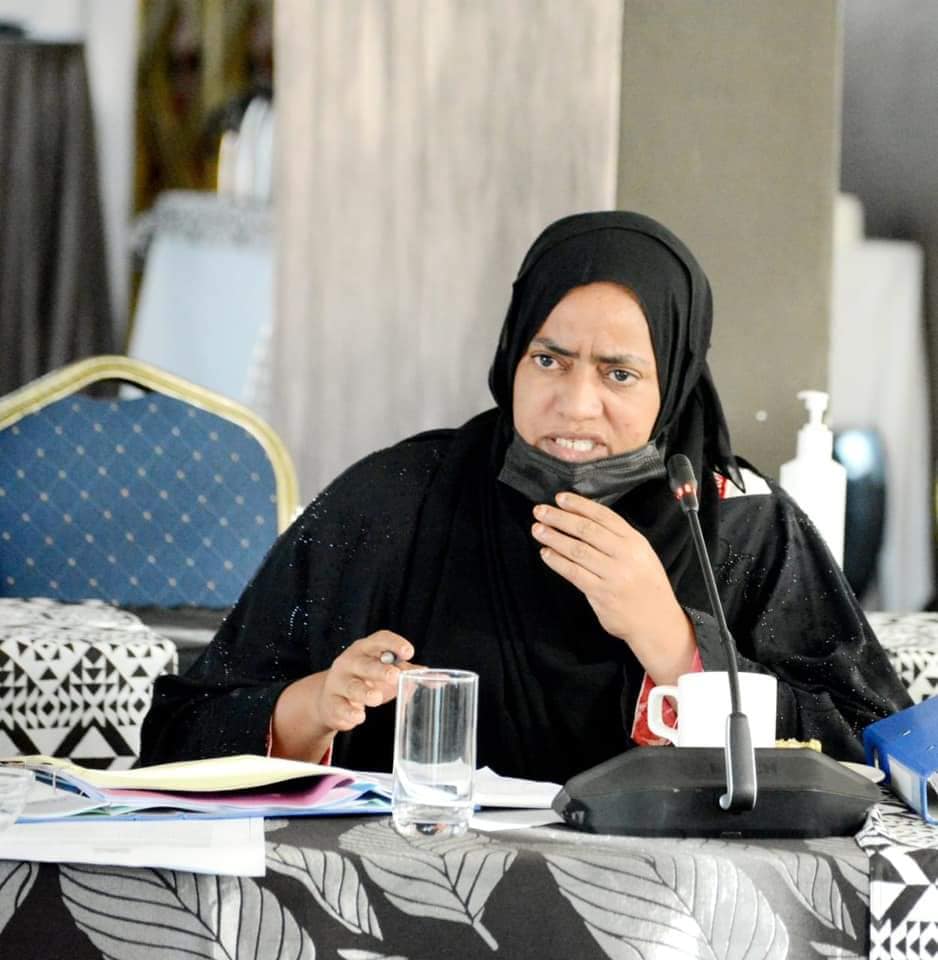
Lamu East MP Captain Ruweida Obo. (Photo By Mfalme Mzalendo)
By Mfalme Mzalendo
Email, thecoastnewspaper@gmail.com
President William Ruto assented to the Wildlife Conservation and Management (Amendment) Bill 2023 as one among the eight new laws he signed on that day, marking a significant win particularly for fishermen to get compensation in case they were injured by dangerous marine wildlife.
Initially, the Bill had only made provisions for those who are prone to terrestrial wildlife attacks with the legislation shifting how wildlife compensation is perceived in the country.
The historic legislation, sponsored by Lamu East MP Captain Ruweida Obo, specifically extends compensation provisions to include injuries and deaths caused by sharks, stonefish, whales, and stingrays,species previously excluded from Kenya’s wildlife compensation framework.
“This legislation corrects a historical oversight that left our coastal communities vulnerable,” stated Capt Ruweida Obo in an exclusive interview over the President’s assent to the Wildlife Bill.
“For too long, our people in Lamu East, especially those in the Boni area, have coexisted with marine wildlife without the safety net afforded to those facing terrestrial wildlife threats,” she added.
The Lamu East legislator emphasized that the bill’s passage represents more than just policy adjustment as it signifies recognition of the daily realities facing fishing communities and others whose livelihoods bring them into contact with potentially dangerous marine species.
She further mooted that the new law further enhances the President’s stance on advancing the country’s blue economy position by looking after the personnel working towards transforming the country’s cottage fishing industry into a global competitor.
The amendment specifically ensures that compensation will be payable from the Wildlife Compensation Fund established under the principal Act, creating a tangible financial safety net for affected families.
This development is particularly significant for marginalized communities with limited economic alternatives to marine-based livelihoods.

“I extend my profound gratitude to President William Ruto for recognizing the urgency of this matter and giving his assent to this critical legislation,” Obo stated.
“The President’s action demonstrates a government that listens to the needs of all Kenyans, including those in marginalized regions whose voices have historically been faint in national discourse,” Ruweida added.
The Lamu East MP highlighted the President’s commitment to inclusive development, noting that the assent aligns with broader administration efforts to address regional disparities in protection and opportunity.
She characterized the move as a testament to responsive leadership that prioritizes human dignity alongside conservation goals.
Beyond the specific compensation provisions, the legislation carries profound symbolic and practical significance for Kenya’s marginalized populations.
For decades, communities living near water bodies existed in a legal gray area where wildlife-related incidents on land received compensation while similar tragedies in aquatic environments did not have such provisions
“This bill fundamentally redefines who counts in Kenya’s conservation narrative and acknowledges that our relationship with wildlife doesn’t end at the shoreline and that Kenyans who interact with marine ecosystems deserve the same protections as those interacting with terrestrial ecosystems,” Obo stated.
The legislation also creates precedent for more nuanced wildlife policies that reflect Kenya’s diverse geographical realities.
Lamu based lawyer Fred Soita in his remarks suggested that it may pave the way for more comprehensive protections that consider the full spectrum of human-wildlife interactions across the country’s varied landscapes.
With presidential assent secured, attention now turns to how the compensation of those hurt within the country’s oceans will be undertaken.
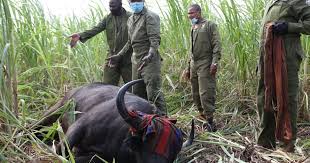
The consensus is that the Kenya Wildlife Service will need to develop specific protocols for verifying claims related to marine wildlife incidents, a process that Captain Ruweida Obo has pledged to monitor closely
Omar Shebwana, Secretary Blue Economy Network Kenya has also welcomed the balanced approach of the amendment, which extends human protections without diminishing species conservation.
About The Author