Measured Step Towards Sustainable Ports
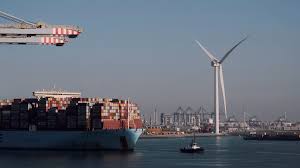
Andrey Sharpilo/Shutterstock container ship. (Photo/ Courtesy)
By Andrew Mwangura
Email, thecoastnewspaper@gmail.com
After a three-month delay from the initially planned September rollout, the new KPA Tariff Book 2025 has finally taken effect at the ports of Mombasa and Lamu.
The Kenya Ports Authority’s decision to implement its revised port tariff structure on December 22 deserves to be viewed within its full institutional and national context.
While the adjustments have generated widespread discussion among port users, the moment calls less for confrontation and more for balanced reflection on how Kenya finances, manages, and future-proofs its critical maritime gateways.
There is no serious dispute that Kenya’s ports require sustained investment. For close to a decade, many port charges remained unchanged despite rising operational costs, expanding cargo volumes, and increasing global standards around safety, efficiency, and environmental compliance.
During that period, KPA continued to shoulder responsibilities that extend beyond commercial operations, including infrastructure maintenance, security obligations, and the gradual adoption of digital systems. In this light, revising tariffs to reflect present-day realities is not unreasonable.
Ports, like any complex public utility, cannot modernize or remain competitive if their pricing structures are permanently frozen in the past.
KPA has been clear about the rationale behind the new rates. The authority has linked the increases to the need to fund digital transformation, upgrade aging infrastructure, and support green port initiatives that align Kenya with international maritime trends. These objectives are not cosmetic.
Efficient digital systems reduce congestion and corruption risks, modern infrastructure improves vessel turnaround times, and greener operations are increasingly a requirement for global shipping lines choosing where to call.
In the long run, such investments can strengthen Kenya’s position as a regional logistics hub and safeguard port jobs by keeping traffic competitive.

At the same time, it is understandable that port users have focused on the immediate financial implications.
The revised annual business license fees represent a significant upward adjustment. Specialised cargo service providers now pay Ksh2.3 million, truck operators Ksh1.5 million, and smaller service firms such as weighing and bagging companies Ksh1.05 million, compared to fees that had been below Ksh300,000 for many years.
Cargo storage charges, equipment hire rates, and vessel service fees have also risen, alongside new penalties aimed at encouraging timely and accurate documentation.
These changes are substantial, but they should not automatically be interpreted as punitive. From KPA’s perspective, they are part of a broader effort to rationalize port pricing, improve discipline in cargo clearance, and ensure that services are cost-reflective.
Ports that underprice storage, equipment, or compliance inadvertently encourage inefficiency, congestion, and system abuse. Higher charges can, if well managed, promote faster cargo evacuation and better planning across the logistics chain.
The concern raised by importers, transporters, and clearing agents is less about the principle of adjustment and more about its economic timing and distributional impact.
Bulk importers of cement, steel, tiles, and paint are already experiencing handling cost increases of between 20 and 30 percent. These costs, by the nature of commerce, tend to be passed down the supply chain.
In an economy already grappling with elevated living costs, there is legitimate anxiety that higher port charges may contribute to upward pressure on consumer prices.
This is where dialogue, rather than opposition, becomes essential. KPA has noted that the delayed rollout was influenced by stakeholder consultations, a court process, and system upgrades required to integrate the new billing model.
That acknowledgement is important. It signals an awareness that tariff reform cannot be imposed in isolation from the realities of the wider economy.
Going forward, continuous engagement will be critical to monitor the real-world effects of the new tariffs and to make targeted adjustments where unintended consequences emerge.
Kenya’s ports are not merely commercial enterprises; they are strategic national infrastructure. Their financial health matters, but so does the health of the businesses and communities that depend on them.
A sustainable port system is one that balances institutional viability with economic inclusivity. This may involve phased implementation, differentiated support for smaller operators, or complementary policy measures to cushion essential supply chains from excessive cost escalation.
The implementation of the KPA Tariff Book 2025 should therefore be seen as a step in an ongoing process rather than a final destination. It reflects a genuine effort by the Authority to align pricing with modern operational demands.
The task ahead is to ensure that this alignment strengthens, rather than strains, the broader economy.
With goodwill, transparency, and continued consultation, tariff reform can support port modernization while preserving Kenya’s wider development and cost-of-living objectives.
Mr. Mwangura an, independent maritime consultant is former SUK Secretary General
About The Author