Turning Mombasa into a Mother City: A Vision for Transformation
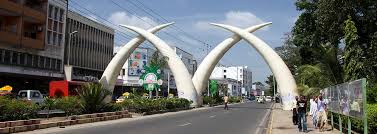
Mombasa (Photo/ Courtesy)
By Andrew Mwangura
Email, thecoastnewspaper@gmail.com
Kenya’s coastal jewel, Mombasa, has long been a gateway to East Africa, its port bustling with trade and its streets alive with a rich Swahili-Arab heritage.
Known as the “white and blue city,” it carries the weight of a millennium of history as a trading hub, connecting Africa’s interior to global markets.
Yet, despite its strategic importance and cultural vibrancy, Mombasa lags behind its potential to become a world-class metropolis akin to Cape Town, South Africa’s celebrated “Mother City.”
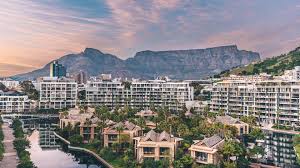
Cape Town, with its stunning landscapes, thriving tourism, and innovative urban planning, offers a blueprint for what Mombasa could achieve.
To transform Mombasa into a mother city of Kenya, we must prioritise sustainable port modernization, integrated urban planning, cultural preservation, and inclusive economic growth, all while learning from Cape Town’s successes and avoiding its pitfalls.
Cape Town earned its “Mother City” moniker in the 1930s, derived from the Greek “metros” (mother) and “polis” (city), reflecting its status as South Africa’s oldest and most culturally significant urban center. Its iconic Table Mountain, vibrant harbor, and diverse cultural tapestry draw millions of tourists annually, contributing significantly to its economy.
Mombasa, with its own historic Fort Jesus, pristine beaches, and strategic port, has comparable assets, but faces challenges like congestion, environmental degradation, and uneven development.
The question is not whether Mombasa can become a Mother City but how to unlock its potential while addressing its unique context.
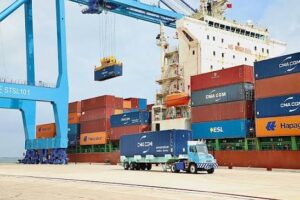
The heart of Mombasa’s transformation lies in its port, the largest in East Africa, which handles significant trade for Kenya and landlocked neighbors like Uganda.
However, chronic congestion and inefficiencies have long plagued it, as noted in studies highlighting the rise of container freight stations to manage overflow.
To emulate Cape Town’s world-class harbor, Mombasa must invest in modernizing its port infrastructure. Projects like the Mombasa Gate Bridge and the Dongo Kundu bypass, part of a US$10 billion upgrade plan, promise to ease congestion and improve connectivity.
These initiatives could position Mombasa as a regional trade hub, much like Cape Town’s Table Bay harbor, which efficiently services both local and international commerce. Yet, modernization must be sustainable.
Research on Mombasa’s port reveals environmental concerns, such as increased turbidity and mangrove loss due to construction.
Kenya must adopt green technologies, like solar-powered port operations, as Cape Town has explored with renewable energy, to balance growth with ecological preservation.
Beyond the port, Mombasa’s urban fabric needs a cohesive vision. Cape Town’s appeal lies in its seamless blend of natural beauty and urban sophistication, with well-planned public spaces and efficient transport systems.
Mombasa, by contrast, struggles with haphazard development and gentrification, which threaten its cultural heritage and displace lower-income residents.
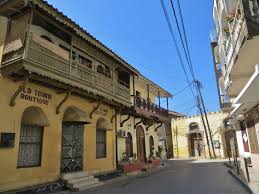
The Old Town, with its Swahili architecture and historic mosques, is a cultural gem but risks losing its vitality as commercial interests encroach.
A 2019 research project by the Western Indian Ocean Marine Science Association (WIOMSA) underscores the need for integrated spatial planning to address these issues.
Mombasa could adopt Cape Town’s model of zoning and heritage conservation, protecting areas like Old Town while promoting adaptive reuse of historic buildings.
This would preserve Mombasa’s identity while attracting tourists seeking authentic cultural experiences, much like Cape Town’s vibrant Bo-Kaap neighbourhood.
Sustainability is another critical pillar. Cape Town’s commitment to clean energy, aiming for 100% renewable sources by 2030, sets a high bar. Mombasa, too, has potential here, with Kenya already generating 87% of its energy from renewables in 2022.
Initiatives like the Miji Bora project, launched in 2019 with a Sh.33 million budget, aim to make Mombasa a smart, sustainable city by addressing waste management, water sanitation, and housing.
However, these efforts must scale up to match Cape Town’s ambition. Decentralized utilities, such as off-grid power and rainwater harvesting, could reduce strain on Mombasa’s infrastructure while empowering communities.
Learning from Cape Town’s water crisis management, Mombasa should also invest in resilient systems to combat climate-driven challenges like flooding, which threaten coastal cities.
Economic inclusivity is equally vital. Cape Town’s tourism and tech sectors thrive because they create opportunities across social strata, though inequality remains a challenge.
Mombasa’s economy, driven by tourism, transport, and manufacturing, must diversify to include technology and renewable energy, as projected for 2030.
Affordable housing projects, like the planned Sh.19 billion initiative for 6,800 homes, are a step toward inclusivity, but they must be paired with job creation and skills training to prevent gentrification from marginalizing locals.
Cape Town’s history of displacement serves as a cautionary tale: Mombasa must ensure that growth benefits all residents, not just elites.
Governance will make or break this vision. Cape Town’s success stems partly from effective municipal leadership and public participation, as seen in its integrated development plans.
Mombasa’s devolved county government, under leaders like Governor Abdullswamad Sherrif Nassir, emphasizes community engagement, but implementation lags.
The county’s legal authority to create bylaws and manage land offers powerful tools to regulate gentrification and prioritize public welfare. Yet, as a recent critique noted, the absence of a clear implementation matrix hinders progress.
Mombasa needs a transparent, participatory framework to align stakeholders—government, private sector, and communities—toward a shared goal.
Mombasa’s journey to becoming a Mother City is not a pipe dream.
Cities like Shanghai and Dubai, once modest ports, transformed into global hubs through bold vision and strategic investment.
Mombasa can follow suit by leveraging its port, preserving its heritage, embracing sustainability, and fostering inclusive growth. Unlike Cape Town, which grapples with the legacy of apartheid, Mombasa’s challenge is to bridge coastal-inland tensions and ensure equitable development.
By learning from Cape Town’s strengths—its vibrant tourism, green innovations, and urban planning—while addressing its own unique needs, Mombasa can redefine itself as East Africa’s Mother City, a beacon of culture, commerce, and sustainability for the region and beyond.
The author is a policy analyst specializing in maritime governance and blue economy development.
About The Author