Mombasa Waterways: A Blueprint for Sustainable Urban Mobility
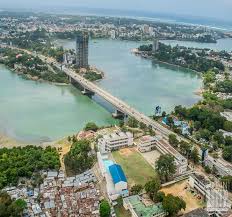
Nyali Bridge Mombasa. (Photo/ Courtesy)
By Andrew Mwangura
Email, thecoastnespaper@gmail.com
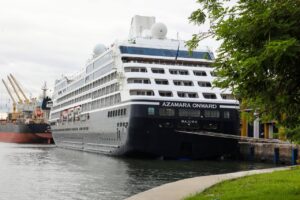
Mombasa, Kenya’s coastal gem, is a city defined by its geography. As an island cradled by a network of creeks, inlets, and the natural deep-water harbor of Kilindini, it is uniquely positioned to redefine public transportation through inland water transport.
The city’s layout, with its natural water network separating the island from the mainland, offers a compelling opportunity to alleviate the chronic congestion that plagues its roads while embracing a sustainable, innovative approach to urban mobility.
The recent Full Feasibility Study on Inland Passenger Water Transport for Mombasa County, a collaborative effort by the County Government of Mombasa, UN-Habitat, the European Union, UNEP, the Go Blue Initiative, COMRED, and other maritime and blue economy stakeholders, underscores this potential.
This report is not just a technical document; it is a visionary roadmap for transforming Mombasa into a model of efficient, equitable, and environmentally friendly urban transport.
The study highlights the viability of leveraging Mombasa’s waterways for public transport, identifying key routes and connections that could seamlessly link the island to the mainland and surrounding areas.
Proposed landing sites such as Junda, Mombasa Water Sports, Kongowea, Madubah Landing Site, Old Port, and English Point Marina (Mkomani) capitalize on the city’s natural geography, offering strategic points for passenger embarkation and disembarkation.
These routes are not merely lines on a map but lifelines that could reduce the daily grind of over a million people entering and exiting Mombasa Island, many of whom rely on overcrowded roads and inadequate public transport systems.
By shifting a significant portion of commuter traffic to water, the city could ease the strain on its road infrastructure, reduce travel times, and mitigate the environmental toll of vehicular emissions.
The 2014 Pre-Feasibility Study, conducted with Berenschot and Damen Shipyards, laid the groundwork by confirming the technical and financial viability of water transport around Mombasa Island and along the coastal belt.
The new feasibility study builds on this foundation, providing a more detailed and actionable plan with investment estimates accurate to within 10-20%, a critical step toward attracting private sector partners.
One of the study’s most compelling aspects is its focus on engineering solutions to address tidal surges, a significant challenge for water transport in Mombasa.
The unpredictable tidal patterns and extreme sea conditions in the region demand robust infrastructure and innovative design.
The report explores engineering interventions to stabilize landing sites and ensure safe operations, such as reinforced jetties, pontoons, and protective barriers.
These solutions are not just about functionality but also about resilience, ensuring that water transport remains reliable even during adverse weather.
By prioritizing infrastructure that can withstand the coastal environment, Mombasa can create a system that is both practical and sustainable, aligning with the broader goals of the Go Blue Project, which seeks to foster a sustainable blue economy while addressing socio-economic and environmental challenges.
The vision for Mombasa’s water transport extends beyond infrastructure to the heart of the commuter experience: the water buses themselves.
The study emphasizes the need for fast, safe, and affordable vessels capable of navigating extreme sea conditions.
These water buses are envisioned as more than just vehicles; they are designed to be comfortable, accessible, and reliable, offering a compelling alternative to private cars and overcrowded matatus.
The goal is to create a transport option that is attractive enough to discourage the growing reliance on personal vehicles, which exacerbates congestion and pollution.By integrating modern, eco-friendly technologies, such as low-emission engines or even hybrid systems, these water buses could set a new standard for public transport in Mombasa, aligning with global trends toward greener urban mobility.
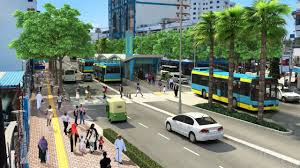
The study’s comparative analysis of water transport versus road-based systems, including the proposed Bus Rapid Transit (BRT) network, highlights its potential to complement and enhance existing infrastructure, offering a holistic solution to the city’s mobility challenges.
Affordability and accessibility are at the core of this initiative. Mombasa’s diverse population, from daily wage earners to business professionals, deserves a transport system that is inclusive and equitable.
The feasibility study underscores the importance of fare structures that make water buses a viable option for all residents, not just a privileged few.
By prioritizing affordability, the County Government of Mombasa, in partnership with UN-Habitat and other stakeholders, is signaling a commitment to social equity.
Accessibility, too, is critical, with plans for landing sites designed to accommodate people with disabilities and integrate with non-motorized transport infrastructure, such as pedestrian walkways and cycle tracks.
This aligns with Mombasa’s ongoing efforts to prioritize non-motorized transport, as evidenced by its red-carpet walkways and cycle parking facilities, which treat pedestrians and cyclists as VIPs.
The collaboration behind this feasibility study is a testament to what can be achieved when local and international partners unite for a common goal.
The County Government’s leadership, under H.E. Governor Abdullswamad Sherrif Nassir, has been pivotal in driving this initiative, with support from global players like the EU and UN agencies.
The Go Blue Initiative, in particular, has provided a framework for integrating land-sea planning, ensuring that water transport contributes to both economic growth and environmental preservation. COMRED’s involvement highlights the role of local expertise in tailoring solutions to Mombasa’s unique context.
This partnership model sets a precedent for how cities can leverage global resources while staying grounded in local needs.
As Mombasa stands on the cusp of this transformative project, the feasibility study serves as a critical tool for engaging investors and stakeholders.
The detailed cost estimates, business plans, and economic impact assessments provide a solid foundation for public-private partnerships, which will be essential for funding and implementing the water transport system.
Beyond economics, the project promises to boost tourism, trade, and logistics, reinforcing Mombasa’s role as a gateway to East and Central Africa. It also aligns with Kenya’s Vision 2030, which emphasizes sustainable infrastructure as a driver of national development.
Mombasa’s waterways are more than a geographical feature; they are an untapped asset that can redefine the city’s future.
By embracing inland water transport, Mombasa can alleviate congestion, enhance connectivity, and create a more livable, sustainable urban environment.
The feasibility study is not just a report—it is a call to action, urging the city to seize this moment and chart a course toward a brighter, bluer future.
With the right investments and political will, Mombasa’s water buses could become a symbol of innovation, resilience, and inclusivity, setting an example for coastal cities worldwide.
The writer is a policy analyst specializing in maritime governance and blue economy development.
About The Author