Empowering Kenyan Seafarers: A Roadmap for Maritime Reform

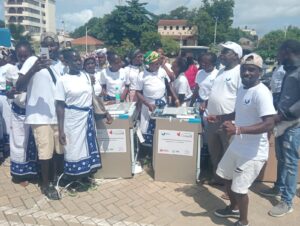
Student undergoing Seafarer training.(Photo/ Courtesy)
By Andrew Mwangura
Email, thecoastnespaper@gmail.com
Kenya’s maritime sector is a cornerstone of its potential to drive economic growth, create jobs, and establish itself as a leader in the global blue economy.
Yet, Kenyan seafarers face significant barriers that limit their ability to thrive in this critical industry.
From inadequate representation in key institutions to the absence of vital infrastructure and regulatory frameworks, these challenges demand urgent and coordinated action.
Through collaboration among government, industry, and educational institutions, Kenya can address these issues, empower its seafarers, and strengthen its position in the global maritime landscape.
A primary obstacle is the lack of representation for seafarers at the International Labour Organization (ILO), the National Assembly (NA), the Kenya Maritime Authority (KMA), and the State Department for Shipping and Maritime Affairs.
This gap stifles their influence in shaping policies that affect their livelihoods. Establishing a dedicated seafarers’ advocacy group to lobby for representation across these platforms would amplify their voices.
Additionally, appointing experienced seafarers as senior technical maritime advisors to the KMA and the state department would ensure that policies reflect the practical realities of the industry, fostering informed decision-making.
The absence of a national merchant fleet and industrial fishing fleet restricts job opportunities and limits Kenya’s ability to harness its marine resources.
A national shipping policy offering incentives like public-private partnerships, subsidies, and tax breaks could spur investment in both fleets.
Such measures would create jobs, boost the blue economy, and position Kenya as a competitive player in global maritime trade.
Training deficiencies hinder progress
Kenya lacks a training ship to provide cadets with hands-on experience, leaving them ill-prepared for industry demands.
Collaborating with maritime institutions and private stakeholders to procure or build a training vessel would bridge this gap.
Similarly, the shortage of qualified tutors and modern training facilities undermines maritime education.
Investing in educator development and upgrading facilities through partnerships with international maritime institutions would align training with global standards.
The lack of a structured seaboard training program and training berths compounds these challenges.
A standardized curriculum, developed with industry stakeholders, would integrate onboard experience with academic learning.
Partnerships with shipping companies to secure training berths would equip cadets with practical skills for global competitiveness.
Additionally, the absence of a deep-sea fish workers’ training institute limits Kenya’s fishing industry potential.
Establishing a specialized institute focused on modern fishing techniques and sustainability practices would prepare workers for this vital sector.
Regulatory gaps leave seafarers vulnerable. Unclear recruitment and replacement processes invite exploitation, necessitating transparent and fair regulatory frameworks.
The lack of port state control shipboard labor inspectors undermines compliance with international labor standards. Recruiting and training a dedicated inspection team would protect seafarers’ rights.
Furthermore, institutional frameworks like a Merchant Navy Training Board to oversee training standards and an Employment Administration Board for job placement and career support would strengthen the sector.
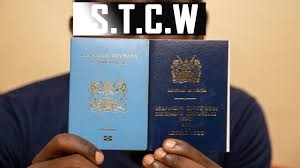
A transparent open ship registry administration could attract foreign investment, while a standardized Seafarers’ Identity Document (SID) would enhance international recognition and protect seafarers’ rights.
National maritime cabotage laws would prioritize local shipping services, safeguarding Kenya’s maritime interests and creating jobs.
An Institute for Blue Economy and Ocean Studies would drive sustainable resource management through research and training.
A Marine Accidents Investigation Board is essential to investigate incidents and improve safety standards.
To boost global employability, Kenya should sign at least 36 Memoranda of Understanding (MoUs) with maritime nations like the UK, Norway, Denmark, Japan, Liberia, and Malta to ensure certificate recognition.
Accreditation from international classification societies like Lloyd’s Register would enhance the credibility of Kenyan certifications.
A Maritime Cluster Fund would support research, innovation, and collaboration, driving advancements in technology and infrastructure.
Stakeholders must act decisively. The KMA and State Department should strengthen regulatory frameworks and seek international partnerships for technical assistance.
Appointing seafarers as senior advisors would ensure policies are grounded in industry expertise.
The political class must advocate for maritime-focused policies and allocate resources for development.
Policymakers should craft a comprehensive national maritime strategy, monitoring its implementation to ensure effectiveness.
In conclusion, addressing the challenges facing Kenyan seafarers demands a unified approach, integrating investment in training, infrastructure, and regulations.
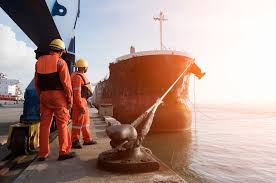
By appointing seafarers to advisory roles and fostering collaboration among government, industry, and educational institutions, Kenya can build a robust maritime ecosystem.
The time to act is now—Kenya’s seafarers deserve a future where their contributions are valued, and their potential drives the nation’s global maritime standing.
Andrew Mwangura is a policy analyst specializing in maritime governance and blue economy development.
About The Author