Affordable Housing: Beyond the Keys, Beneficiaries Seek Livelihoods and Reliable Services
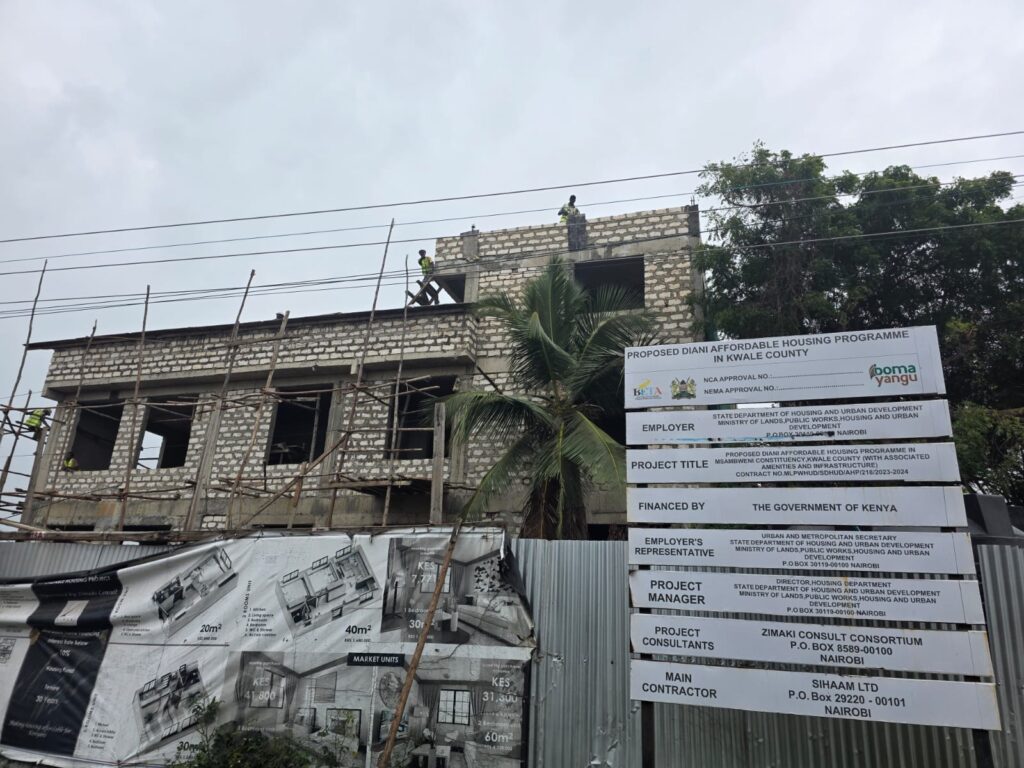
(Photo/ Courtesy)
By Caroline Katana
Email, thecoastnewspaper@gmail.com
For beneficiaries of the government’s affordable housing programme (AHP), moving from informal settlements into new homes has brought a sense of security, lower housing costs, and hope for a more stable future.
But as more Kenyans take up the opportunity to own homes, beneficiaries say the success of the programme will also depend on ensuring they can sustain their lives within the new developments.
Albert Ombati, a casual worker without a fixed monthly income, says the flexible payment arrangement has made it possible for him to keep up with his home payments.
“We pay gradually. You can use only Ksh900, but now you can pay Ksh500 or Ksh1,000. At the end of it all, you will have cleared the balance,” he said.
For him, the arrangement provides an alternative to the uncertainty of paying rent every month.
Lucy Njoroge says her new home has also reduced her monthly housing burden. She previously paid Ksh7,500 in rent and had to buy water separately.
“The house I was living in was more than that amount. I was paying Ksh7,500 and I still had to buy water. Here, there is no need to buy water,” she said.
However, she says the move also affected the small business she relied on to support her family.
She is now appealing for designated spaces where residents can establish businesses and continue earning an income.
“We were asking if, as people from Phase Two, we could be brought even a container so that we can also enjoy having our businesses. We should not have too many challenges in paying for the houses, especially when someone is not working,” she appealed.
Her experience highlights an emerging trend of affordable housing. The need for residents to not secure homes, but also create environmental space to earn a living and meet their household expenses.
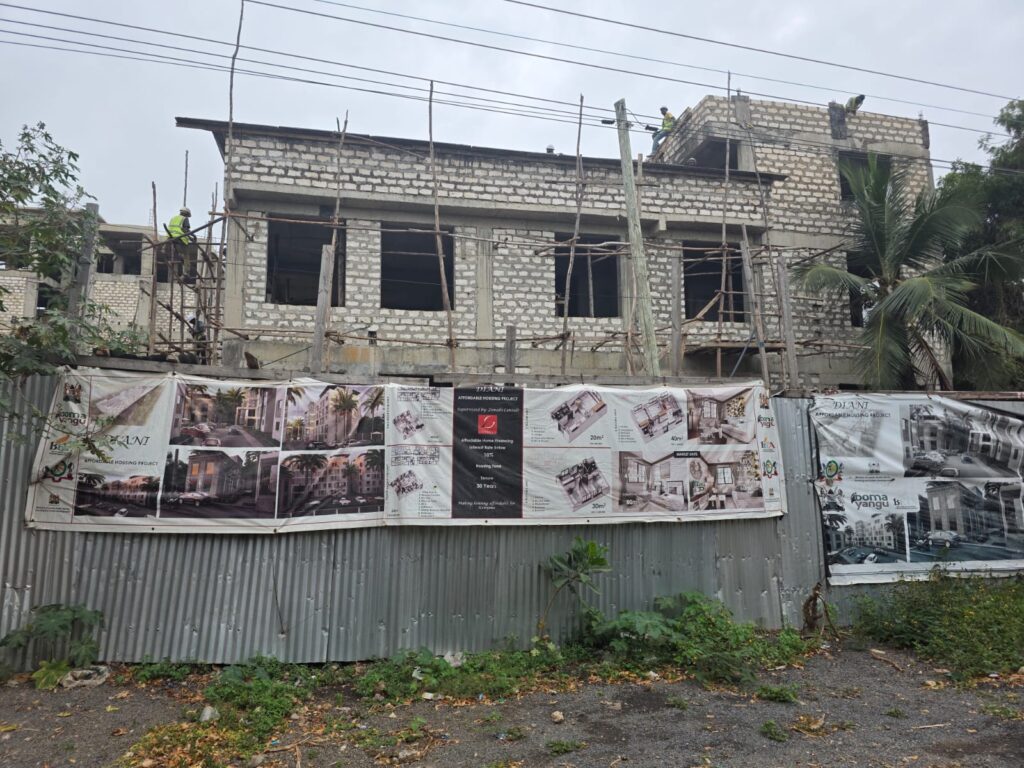
The government’s AHP operates under three categories — social, affordable and market housing — designed to serve Kenyans across different income brackets.
According to a government representative the social housing category targets Kenyans earning below Ksh20,000 a month.
The AHP units cost Ksh640,000 for a studio, Ksh960,000 for a one-bedroom, and Ksh1.28 million for a two-bedroom house with a monthly repayment ranging from Ksh4,200 to Ksh6,800.
Those earning between Ksh20,000 and Ksh150,000 fall under the affordable category while the market category targets Kenyans earning above Ksh150,000.
The government says 1.3 million Kenyans have registered with Boma Yangu and contributed at least Ksh200 to open their accounts. Of these, 38,000 have submitted applications for homes with about 11,000 allocated units and approximately 5,300 currently occupying completed homes.
So far, 8,800 units have been completed, while another 277,000 homes are in the pipeline across the country.
The government says the difference between allocations and occupation is partly because some homes are allocated before construction is completed.
For beneficiaries who experience difficulty meeting their payments, the government says it has put in place measures intended to help them remain in their homes.
Buyers facing temporary financial difficulties can have their payment plans restructured while those unable to sustain their current unit can apply to move to a cheaper house.
For Kennedy Ng’ang’a, the programme has provided a safer environment for his mother. He moved into his unit in April 2026 after paying a Ksh32,000 deposit advanced to him.
The family had previously experienced flooding, prompting him to bring his mother to the new home.
“The environment itself is okay. Now we are experiencing a little bit of a water challenge — the taps inside do not have water, but there is water outside where we collect it from the community,” he said.
Ng’ang’a says he intends to keep the home for his mother while exploring the possibility of applying for another affordable unit for his family.
The experiences of the beneficiaries point to the importance of complementing home ownership with basic services and economic opportunities as the programme expands.
For casual workers and other low-income households whose earnings may fluctuate, flexible repayment arrangements can help make home ownership more manageable.
At the same time, access to water and designated spaces for small businesses can help residents settle and remain financially stable.
As the government scales up construction nationwide, the experiences of those already living in the homes offer practical lessons on how the programme can continue evolving — not only by providing houses, but also by supporting the conditions that enable families to comfortably sustain home ownership.
For Ombati, the new home has provided confidence that his future is no longer tied to changing rental conditions.
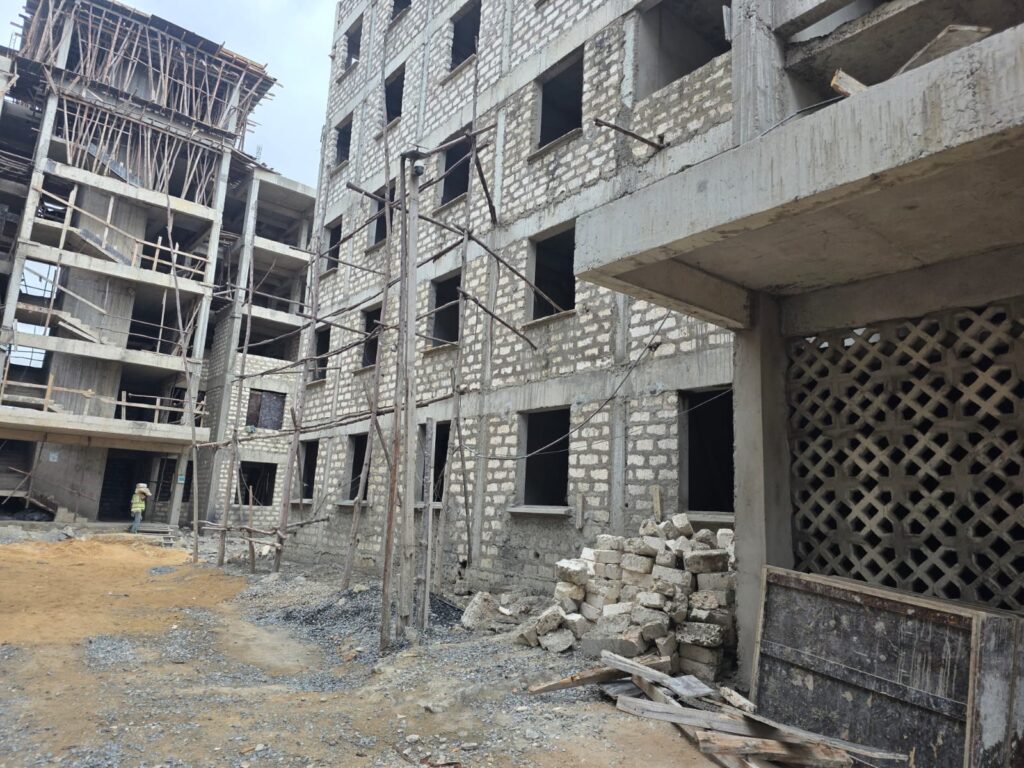
“I have a document through my lawyer, so I don’t expect someone to come and disrupt my life just because the President has changed,” he said.
For beneficiaries, the AHP is therefore not simply about moving into a new house. It is about creating a stable foundation from which families can build safer and more secure lives.
About The Author