Coast Women Step Up as Peace Builders Ahead of 2027 Elections
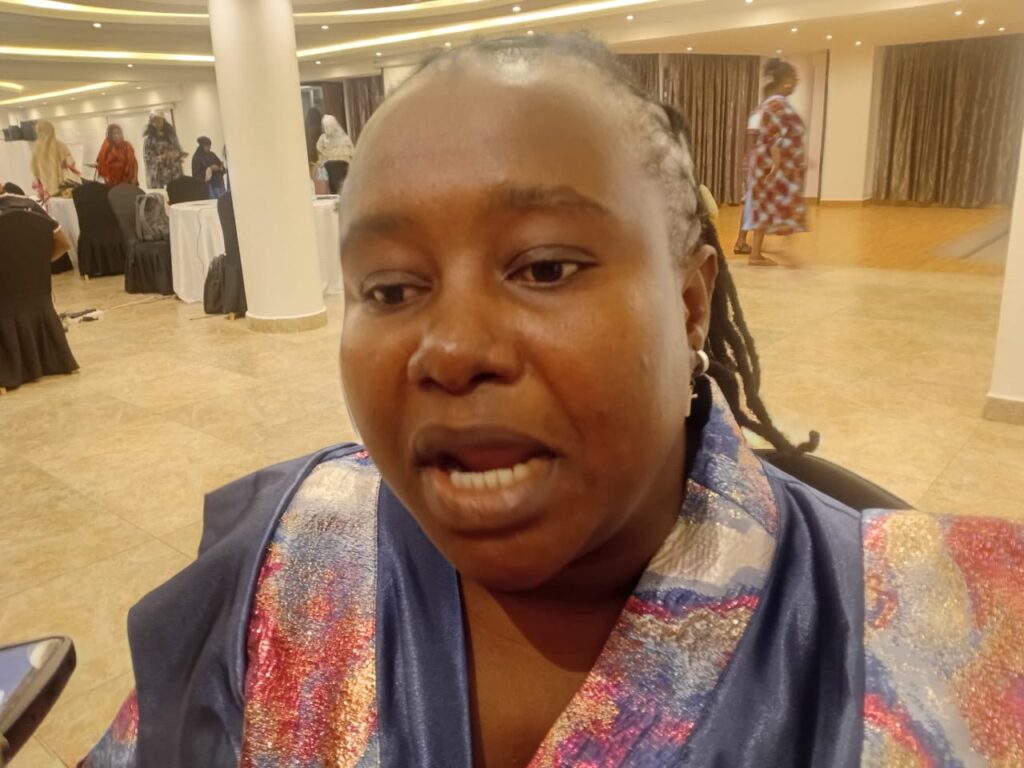
Lilian Wambui Karuga, gender rights activist Tetea Jamii Social Justice Center Kilifi County. (Photo y Caroline Katana)
By Caroline Katana
Email, thecoastnewspaper@gmail.com
Women from Kilifi, Mombasa and Kwale counties have stepped in to claim a greater role in peace and security saying they cannot afford to remain aloof as Kenya heads towards the 2027 general election.
From community mediation and early warning to protect survivors of gender-based violence and engaging young people at risk of political violence, the women say their communities need them at the centre of peace-building efforts.
The message emerged from a three day leadership and peace and security training organised by the Kenya Community Support Centre (KECOSCE) through its Imarisha project dubbed “Strengthening Women’s Leadership and Voices for Peace and Security on the Coast”.
The project is supported by the Danish Embassy in Kenya through Act and Change with KECOSCE implementing in the three counties.
The training brought together women and girls involved in community leadership giving them practical skills in mediation, leadership, accountability, conflict prevention and protection, digital hygiene among other peace and security related issues.
For Lilian Wambui Karuga, a gender rights activist with Tetea Jamii Social Justice Center in Kilifi County, the training was a reminder that women already have a critical role to play in keeping their communities safe.
Karuga said women must be encouraged to occupy leadership spaces, from the grassroots to higher levels of decision-making.
She challenged women to move beyond being observers and become active participants in structures where decisions affecting their families and communities are made.
“We need to sit with women and encourage them to occupy those spaces,” she said.
According to her women should also encourage girls to pursue leadership opportunities so that the next generation can grow up with confidence to speak and participate in public affairs.
For her, peace and security cannot be separated from the safety of women and girls.
She said her work has exposed her to numerous gender-based violence and sexual violence cases with women and girls often bearing the greatest burden.
But Karuga also raised another issue that is rarely discussed; the trauma carried by those who support survivors.
Community workers and activists, she said, can become emotionally affected after repeatedly handling cases involving defilement and sexual violence.
“You cannot go and deal with the community when you yourself are not okay mentally,” she said.
She believes women working at the grassroots therefore need spaces where they can also address their own emotional well-being while continuing to support others.
In Mombasa County, Miriam Kimemia said the training had transformed how women could approach conflicts in their communities.
She said participants learnt that mediation was not about deciding who is right or wrong, but giving conflicting parties an opportunity to speak and find their own solutions.
Kimemia said the approach would help women handle disputes without worsening tensions.
She also learnt the importance of referring complex cases instead of attempting to carry every problem alone.
This, she said, was particularly important when dealing with gender-based violence, where repeated exposure to traumatic cases can affect those providing support.
“Do not take the case as if it is yours alone. Refer cases,” she said.
But Kimemia’s biggest concern is what could happen to young people as the country moves closer to the 2027 elections.
She said women who have undergone the training must now take the conversation to young people who could be manipulated by politicians.
Rather than becoming instruments of violence, she wants young people to become peace builders in their own communities.
“We are going to sit with those young people who are being used as pressure groups by politicians,” she said.
In Kwale, Bebi Hamisi is already putting that approach into practice.
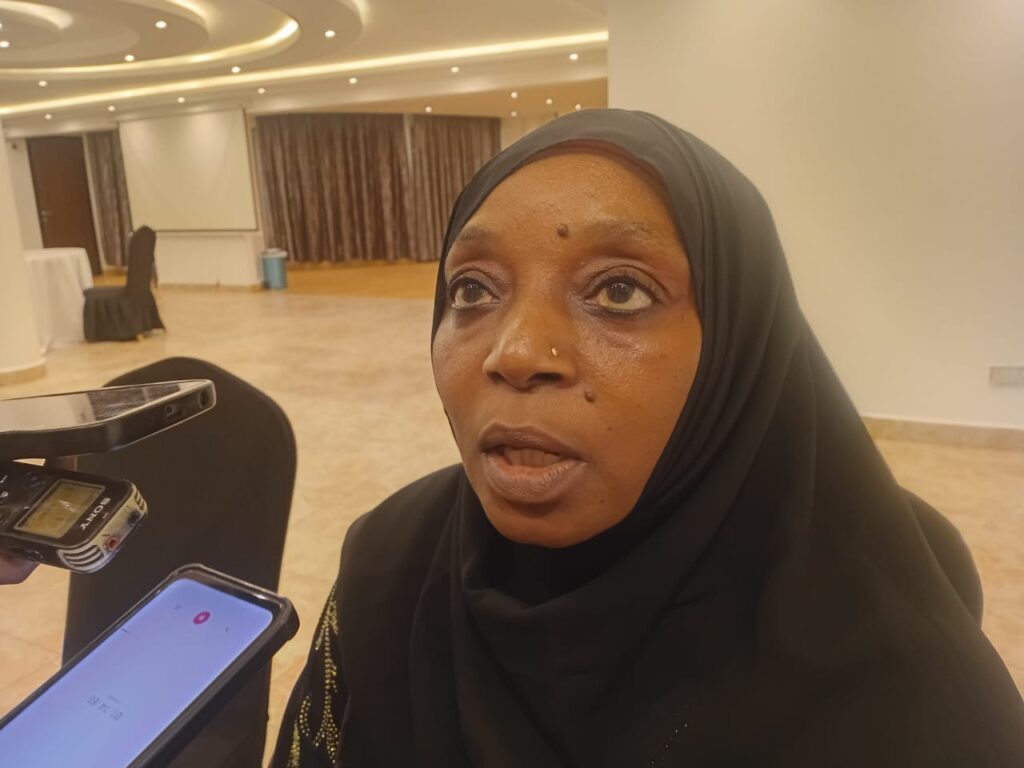
As chairlady of the Peace and Security Committee in Matuga Sub-County, she says women remain underrepresented in the structures responsible for peace and security. She wants to change that.
She said the training had strengthened her understanding of the role women can play through participation, prevention, protection, and relief and recovery.
She plans to use the knowledge to mobilise more women into peace structures, starting at the grassroots.
“We need to strengthen those committees from the location level upwards and empower and educate women,” she said.
The chairlady said the urgency is growing as political activity begins to intensify ahead of the 2027 elections.
She urged women to reject political insults and inflammatory rhetoric and instead encourage peaceful political participation.
According to her peace and security actors in Matuga have already begun engaging chiefs, assistant chiefs and communities on the risks facing young people.
The committee is also working with parents to find ways of supporting young people already involved in gangs and preventing them from being drawn further into violence.
For Fauzia Kassim , who manages the Imarisha project at KECOSCE the goal is to turn women’s existing influence in their communities into effective leadership.
She said the training was designed to strengthen women’s confidence and equip them with practical skills in mediation, governance and accountability.
The women are also being prepared to demand answers from leaders and monitor whether political promises are delivered.
As the 2027 elections approach, Kassim said women should be able to participate at every level as voters, civic educators, community leaders and candidates.
“They will have the confidence to raise their voices and speak about issues affecting women and girls in society,” she said.
Kassim rejected the idea that peace and security should be treated as a men’s affair.
Although Imarisha focuses largely on women, she said the project has a Male Engagement component because men must also be part of efforts to build safer communities.
“Peace and security cannot happen without involving men,” she said.
The women are also confronting a newer dimension of insecurity , violence that begins or takes place online.
Kassim said technology-facilitated gender-based violence is an emerging concern requiring greater awareness among women, girls and men.
She said online spaces should be made safer and more inclusive, warning that abuse that begins online can sometimes spill over into physical spaces.
The training also sought to challenge the traditional dominance of men in grassroots conflict resolution.
Kassim said a growing number of women have received mediation training and should be given opportunities to use those skills in resolving disputes within their communities.
The women now want to take the lessons beyond the training room.
Their message is that peace-building should not be left to security agencies, politicians or traditional male leaders alone.
Women are already in the homes, neighbourhoods and community structures where tensions first emerge.
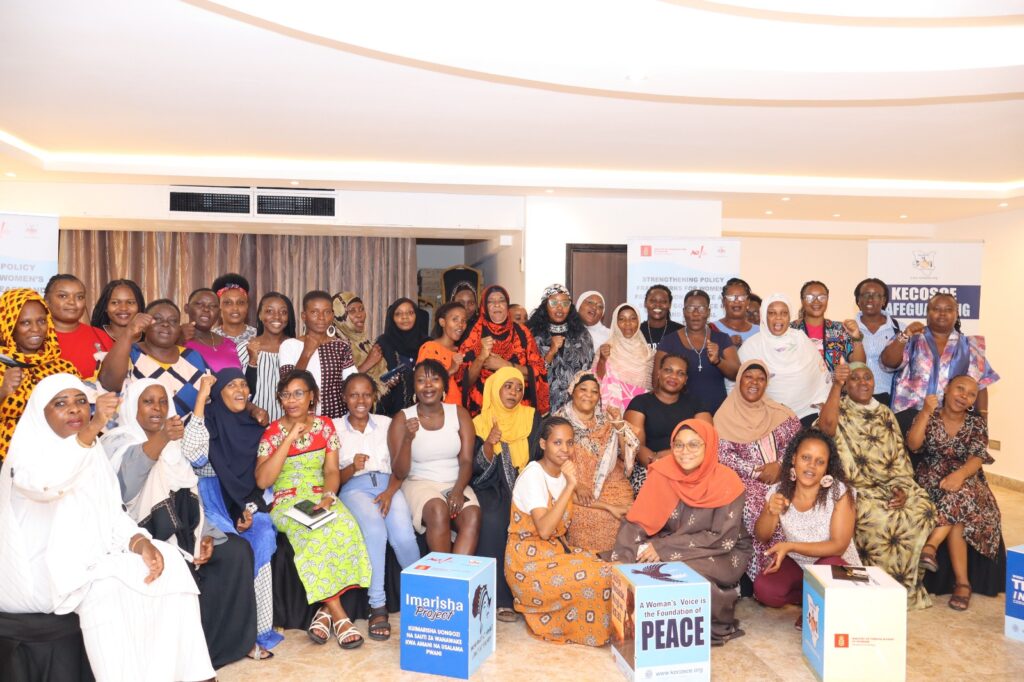
They are raising children, supporting survivors, mediating family disputes and engaging young people.
Ahead of 2027, they want that everyday influence to translate into a stronger voice in formal peace and security structures and into a decisive role in preventing violence before it starts.
About The Author