Shimoni Fish Port Raises Hopes for Jobs as Government Pushes Blue Economy Agenda
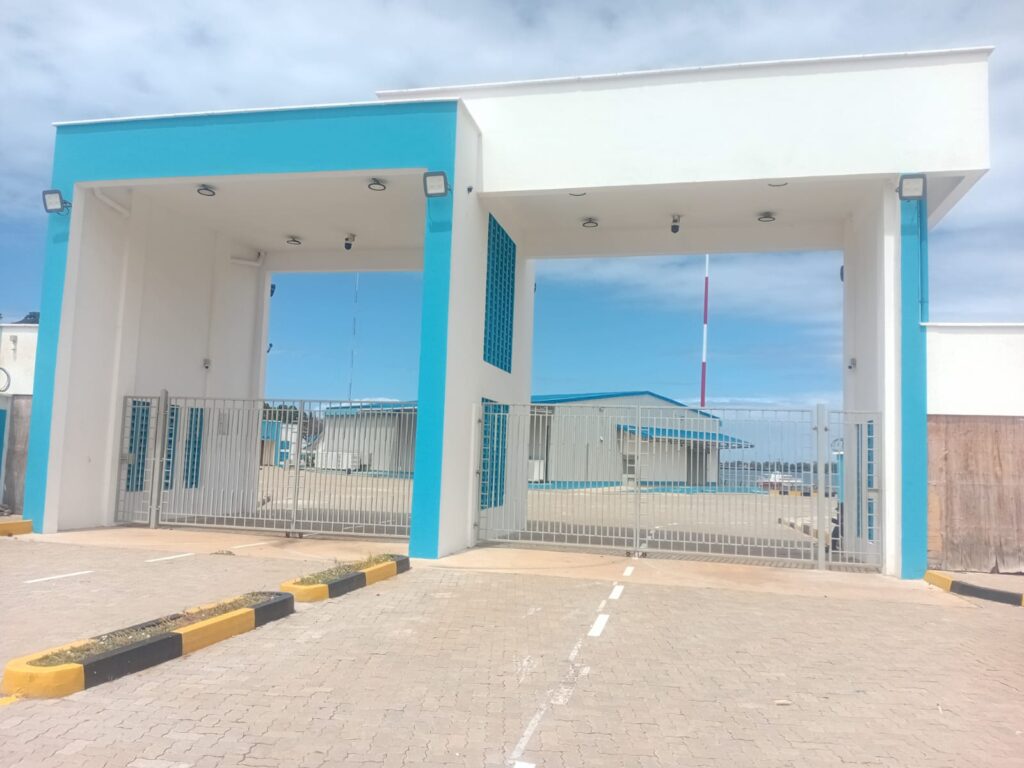
Shimoni Fish landing site office. (Photo By The COAST Cameraman)
By The COAST Reporter
Email, thecoastnewspaper@gmail.com
President William Ruto’s administration has placed the blue economy among the key sectors it hopes will create jobs, expand business opportunities and improve incomes for communities living along Kenya’s coast.
As part of that agenda, the government has invested about Ksh2.6 billion in the Shimoni Fish Port in Kwale County, a project aimed at strengthening the fishing industry and increasing the value derived from marine resources.
The port is expected to have the capacity to handle and store more than 50,000 tonnes of fish annually creating opportunities across the fisheries value chain.
For generations, residents of Shimoni have depended on the sea for their livelihoods. However, many fishermen and young people in the area continue to face challenges including limited employment opportunities, inadequate fish storage facilities and access to reliable markets.
Four years into the Ruto administration, residents now see the new port as a potential turning point for the local economy.
For young people in Shimoni, one of the biggest expectations is that the investment will translate into employment and reduce dependence on informal and unpredictable sources of income.
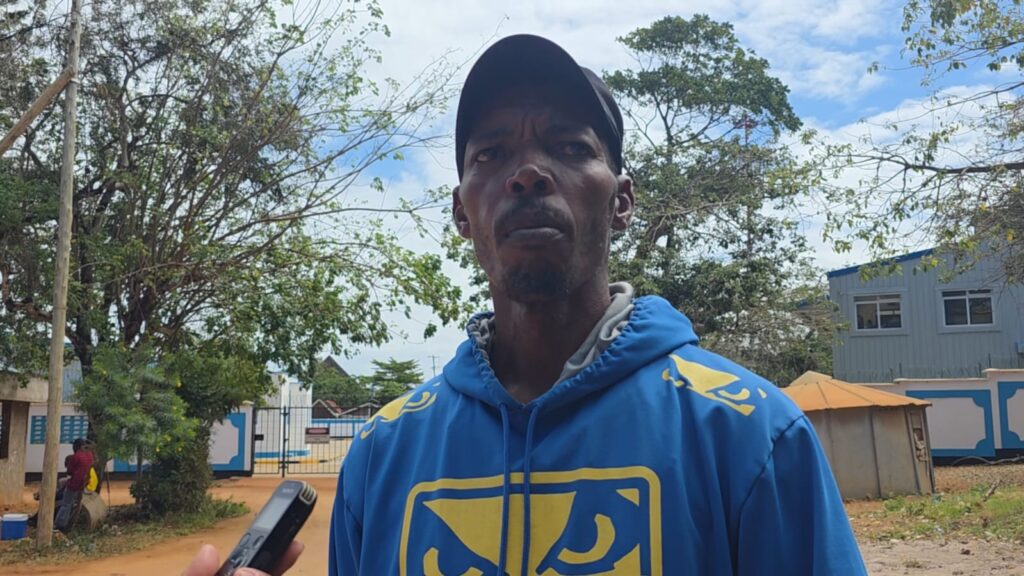
“We expect this port to create jobs for young people here and give us better opportunities to earn a living,” says Shimoni resident Abed Muhammed.
The anticipated opportunities go beyond fishing itself. The port is expected to support businesses involved in fish storage, processing, transport, marketing and other services linked to the marine economy.
Residents, however, say the true impact of the project will depend on whether communities living around the port benefit directly from the opportunities it creates.
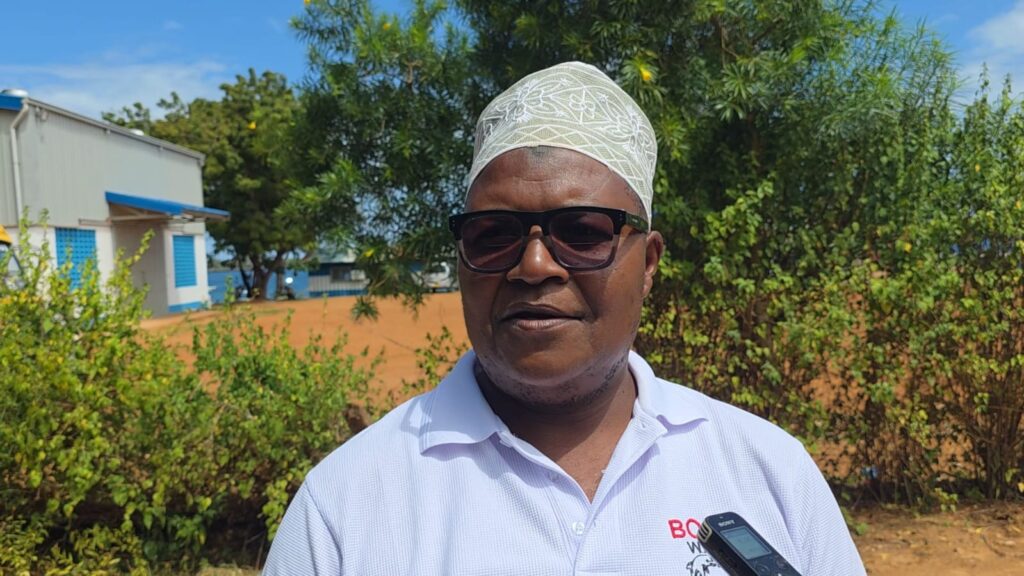
“We want the people of Shimoni to be among the first beneficiaries of the jobs that will come from this project. The investment is happening in our area and our people also need opportunities,” says Ibrahim, a Shimoni resident.
Some residents are now calling on the government and those managing the facility to reserve a significant share of employment opportunities for locals.
“Our request is that at least 75 percent of the jobs be given to people from this area so that the community can directly benefit from the project,” another resident says.
For the community, such an arrangement would help ensure that the multibillion-shilling investment is felt beyond the physical infrastructure and reflected in household incomes and improved livelihoods.
The Shimoni Fish Port is therefore emerging as one of the tests of the government’s blue economy agenda — whether investment in coastal infrastructure can translate into tangible economic benefits for the people living around it.
Four years into President Ruto’s administration, residents of Shimoni are now looking to the next phase: seeing the port operate fully and the promise of the blue economy translated into jobs, businesses and better incomes for local families.
About The Author