Taveta Farmers Banking on Field Schools to Reap from Anticipated El Nino
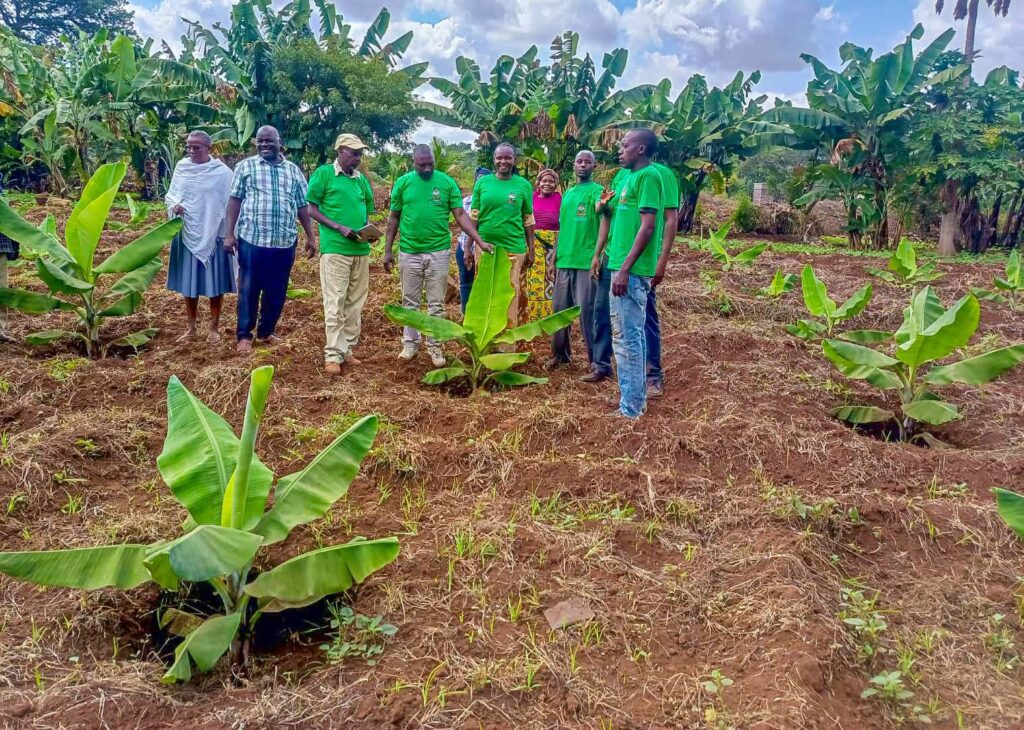
A section of farmers during a Farmer Field School training at Kimorigho in .Taveta Sub County. (Photo By Solomon Muingi)
By Solomon Muingi
Email, thecoastnewspaper@gmail.com
Hundreds of farmers in Taveta Subcounty in Taita Taveta County have embraced the Farmer Field Schools (FFS). A programme that is set to transform their livelihoods through increased farm production.
The County’s agriculture department has rolled out the training methodology in a bid to help farmers in the agricultural rich region to capitalize on the anticipated El Nino rainfall.
According to the County agriculture and livestock chief officer Stephen Mcharo the community-based training will combine practical agricultural training with entrepreneurship.
“This training is set to equipping farmers with climate-smart farming techniques, early farm land preparation, record keeping, market analysis, and enterprise development skills to strengthen their agribusinesses,” he said.
The officer noted that farmers have also been trained in the banana, Irish potato, green gram, dairy, and indigenous chicken value chains, enabling them to improve productivity, access markets, and adopt modern farming technologies.
Maximizing on the expected above-normal rainfall, he said, will improve food and nutrition security and greater resilience to climate change.
He said that the devolved unit is working with other government and humanitarian agencies to implement a strategic plan of averting possible flooding and landslides during the October, November and December rain season.
The Taveta area is prone to flooding every year due to its proximity to Mt Kilimanjaro in neighboring Tanzania.
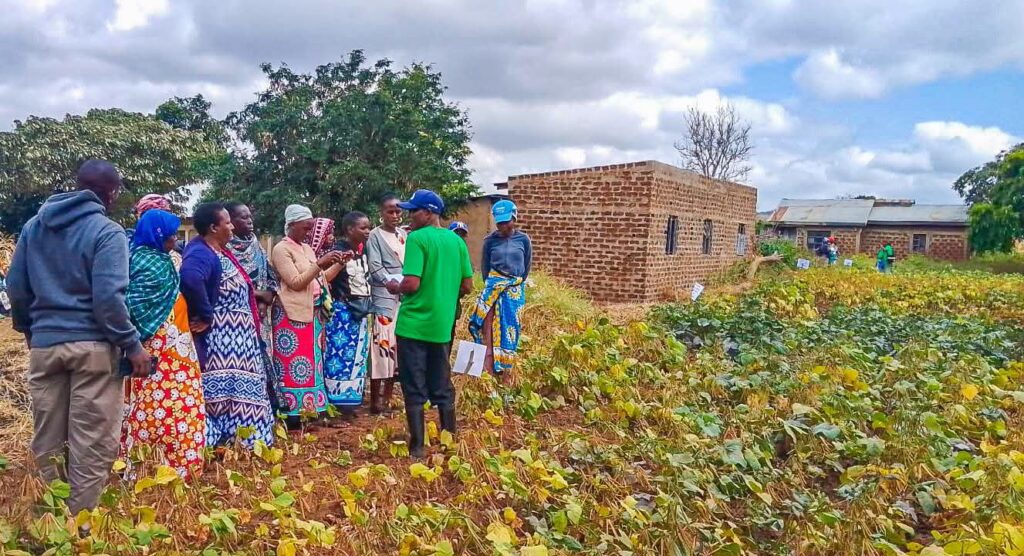
He noted that heavy rainfall in the region and at the slopes of Mt Kilimanjaro usually causes rivers Ruvu and Njoro to break the banks and wash away crops.
Besides Taveta, Wundanyi, Mbale and Rong’e are some of the areas prone to landslides in the County while Maungu, Mwatate and Msambweni estates along the Voi rivers are areas prone to flooding.
The officer said the training was also offering a platform for farmers to get timely climate information thus strengthening early warning systems and making informed actions that can reduce losses and protect lives and livelihoods.
Nathaniel Asenati, an FFS leader at Kimorigho village, advised farmers to exercise early planting and make proper drainage to reduce waterlogging, protecting crops from damage caused by excessive rainfall.
“We are working with extension officers to train farmers. This will help them farmers make informed decisions throughout the season, reinforcing the value of climate services in agriculture,” he said.
Today, many farmers in Taita Taveta region no longer wait for the rains before preparing their fields. They recognize that early land preparation, guided by reliable seasonal forecasts, is a practical and effective climate adaptation strategy that increases resilience, improves productivity, and safeguards livelihoods in the face of a changing climate.
Further, the Kenya Meteorological Service Authority County Director Geoffrey Mwongela urged farmers to make use of the drier than normal June, July, August and September season to prepare their land and acquire farm inputs ahead of the planting season.
Mwongela also advised farmers to practice soil and water conservation practices like desilting farm ponds, small household water pans, repair of terraces and digging zai pits.
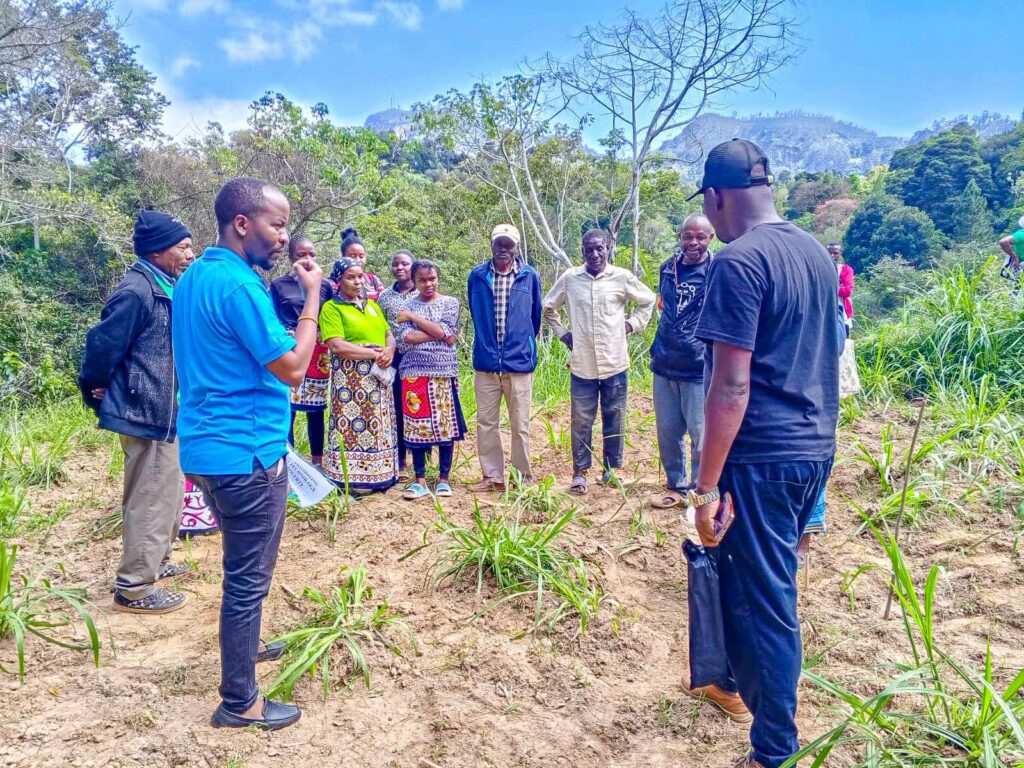
“Harvesting rain water is highly recommended for farmers as a measure reducing water scarcity in the region. They should tap runoff water and use it during the dry season,” he said.
For maximum benefits further urged farmers to make good use of the seasonal forecast in conjunction with subsequent monthly and weekly weather updates issued by the authority.
About The Author