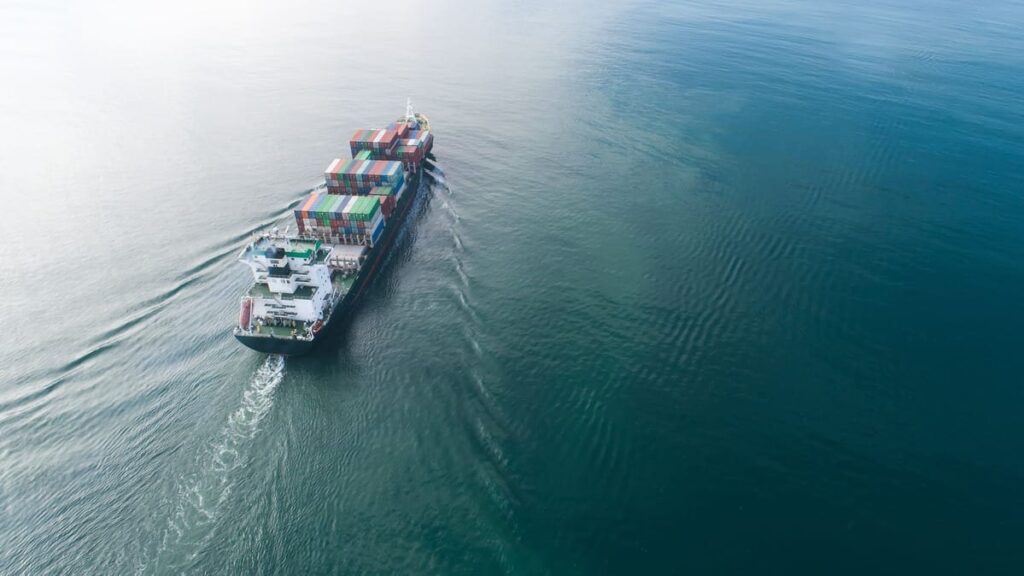
Charting a Course: Why Africa’s Maritime Future Must Be Green and Its Own
By Andrew Mwangura
Email, thecoastnewspaper@gmail.com
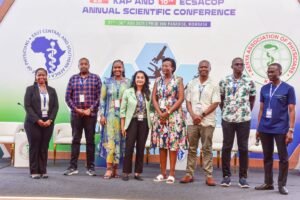
This week, Kenya reaffirms its leadership on the continental maritime stage as it hosts the Association of African Maritime Administrations (AAMA) Technical Workshop at Sarova Whitesands in Mombasa.
Bringing together more than 70 participants from over 30 African nations, alongside the African Union, this gathering places Kenya at the heart of a critical dialogue: the future of Africa’s blue economy in an era of profound global change.
Convened under the theme “Aligning Africa’s Maritime Transition with Green Industrialisation Opportunities,” the workshop acknowledges a pivotal shift. The maritime sector is no longer viewed merely as a conduit for trade, but as a strategic engine for economic transformation.
For a continent whose economies are deeply tethered to seaborne commerce, this represents both a profound vulnerability and an unparalleled opportunity.
As climate change, new regulations, and technological innovation reshape global shipping, Africa faces a clear choice: remain a passive recipient of external rules, or become the active architect of its own maritime destiny.
The discussions in Mombasa—focusing on green shipping, port decarbonisation, and maritime innovation—are far from abstract. They strike at the core of Africa’s future competitiveness, its ability to attract green investment, and its potential to build industrial capacity around maritime value chains.
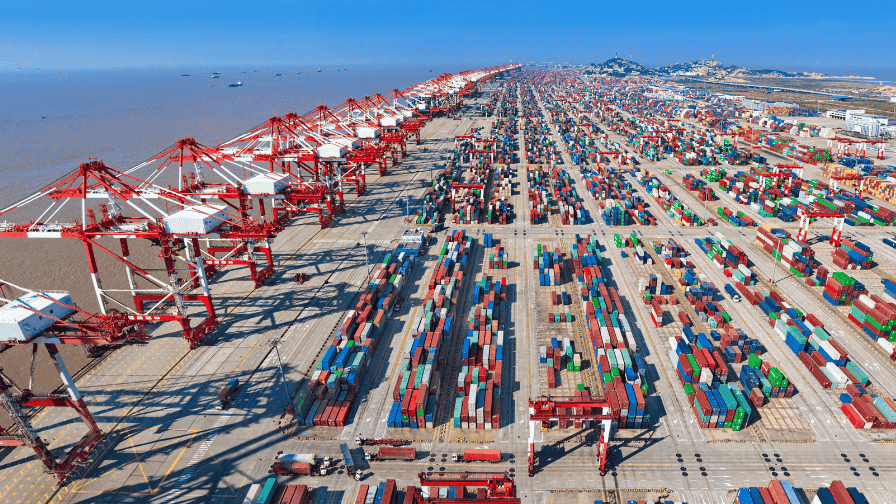
Ports are more than just points of entry and exit; they are dynamic hubs for job creation, skills development, and regional integration.
Crucially, this workshop emphasises alignment, not imitation. While Africa must engage with accelerating global standards on emissions and sustainability, its maritime transition must be shaped by its unique realities—addressing infrastructure gaps, financing challenges, and varied technical capacities.
By sharing experiences and pragmatic best practices, African administrations are forging a shared vision: a green transition that is phased, inclusive, and reinforces—rather than compromises—development ambitions.
Here, sustainability and economic progress are not competing goals, but two sides of the same coin.
The participation of the African Union underscores a vital truth: maritime governance cannot succeed in isolation. Shipping lanes, marine ecosystems, and trade corridors transcend borders.
A harmonised approach to policy, regulation, and capacity-building is essential to amplify Africa’s voice in international forums and to overcome the costly fragmentation that has historically hindered progress. This workshop, therefore, builds not just technical knowledge, but vital political coherence.
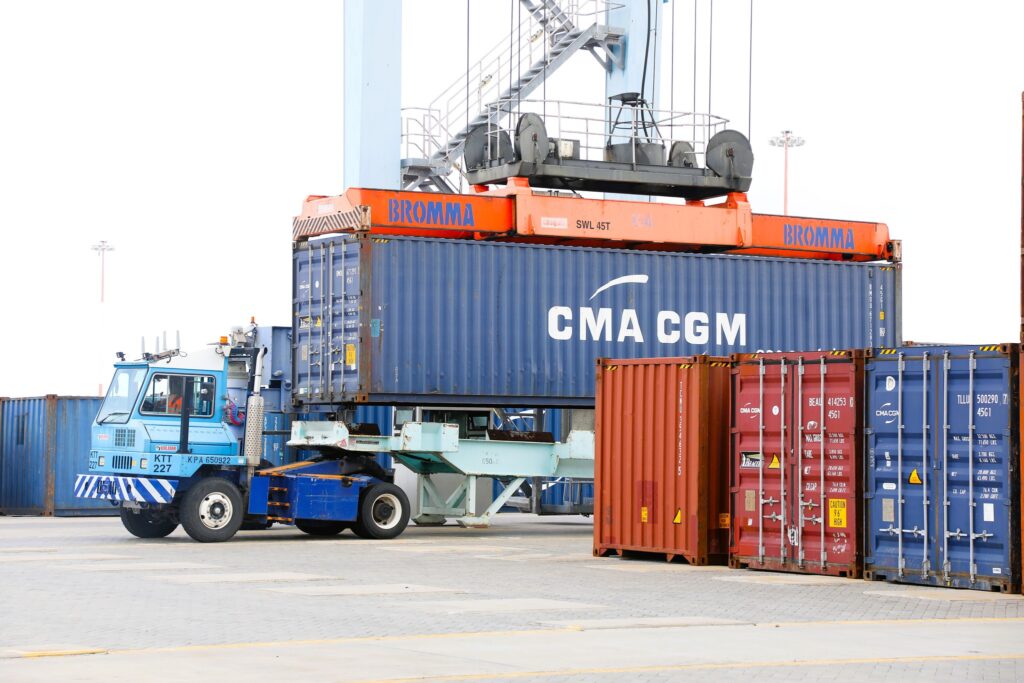
Kenya’s role as host is both practical and symbolic. With its strategic coastline, expanding port infrastructure, and clear maritime ambitions, Kenya embodies the necessary balance between growth and environmental stewardship.
Hosting this forum demonstrates a commitment to regional collaboration and positions the country as a convener of consequential pan-African dialogue. It signals that Africa’s maritime future will be built on partnership and shared responsibility.
Ultimately, this meeting reinforces a powerful premise: Africa’s vast oceans and waterways are unparalleled assets for inclusive growth, if managed with wisdom and foresight.
Integrating green industrialisation into the maritime sector opens pathways to modern ports, new industries, skilled jobs, and greater climate resilience. The formidable challenge ahead is to translate dialogue into action, and policy into tangible investment and outcomes. That essential journey begins in forums like this—where trust is built, perspectives aligned, and a common purpose forged.
As deliberations continue in Mombasa, the true measure of success will be the momentum it generates across the continent. Africa’s maritime transition is no longer a distant aspiration; it is an urgent, present necessity.
By deliberately aligning sustainability with industrial opportunity, and regional cooperation with national ambition, Africa’s maritime leaders are charting a course toward a sector that drives prosperity, safeguards our environment, and confidently secures the continent’s place in the new global maritime economy.
Andrew Mwangura is an independent maritime consultant and former Secretary General of the Seafarers Union of Kenya (SUK).
About The Author