DARAJA Project launched to Boost Climate Early Warning

Daraja Workshop participants in Mombasa( Photo/Courtesy)
By Mbungu Harrison
Email, thecoastnewspaper@gmail.com
Dream Achievers Youth Organization (DAYO)has launched Phase Two of the DARAJA Climate Resilience Project aimed at improving early warning systems for vulnerable urban communities.
Speaking during the launch in Mombasa on Wednesday, January 21, 2026, Charles Muga, a representative of the Acting Director of the Kenya Meteorological Department, emphasized the role of climate information in safeguarding communities.
He noted that climate information and early warning tools enable timely responses to disasters such as floods and disease outbreaks, which have repeatedly affected Mombasa.
“We will work with stakeholders to give monthly updates and tell the community about any weather forecasts both positive and negative and this will inform us about preparedness. For farmers and those living in informal settlements this information will be critical,” said Muga.
The initiative is being implemented by the Dream Achievers Youth Organization (DAYO) in collaboration with the Kenya Meteorological Department (KMD), Resurgence, and other key climate actors.
It seeks to improve access to climate information and early warning systems for vulnerable communities.
Mombasa has remained a hotspot for disease outbreaks during flooding seasons, with lives lost, the environment destroyed, and infrastructure damaged as floods continue to wreak havoc across the county.
Joseph Omollo, the Mombasa County KMD representative, said the interpretation of weather forecasts at community level remains a challenge.
“We have realized the interpretation of weather forecasts in the community is very lawful, therefore we want to partner with stakeholders to ensure the information is given in a simplified way to make them plan ahead,” said Omollo.
DAYO Executive Director Seif Jira underscored the urgent need to improve the uptake of weather insights among both urban and rural residents to enhance preparedness and protect lives.
“Some of the areas we are mostly targeting are the informal settlements, already we have done visits to Bangladesh, Chaani, Junda in Kisauni, Bamburi Ziwala Ng’ombe, Mkomani and Tudor Moroto,” said Jira.
He added that the organization works closely with KMD to translate technical forecasts into information that can be easily understood by the public.
“We get the information from KMD and simplify it for public consumption, so we continue to urge the public to take keen consideration of the early warnings issued by the relevant organizations,” he said.
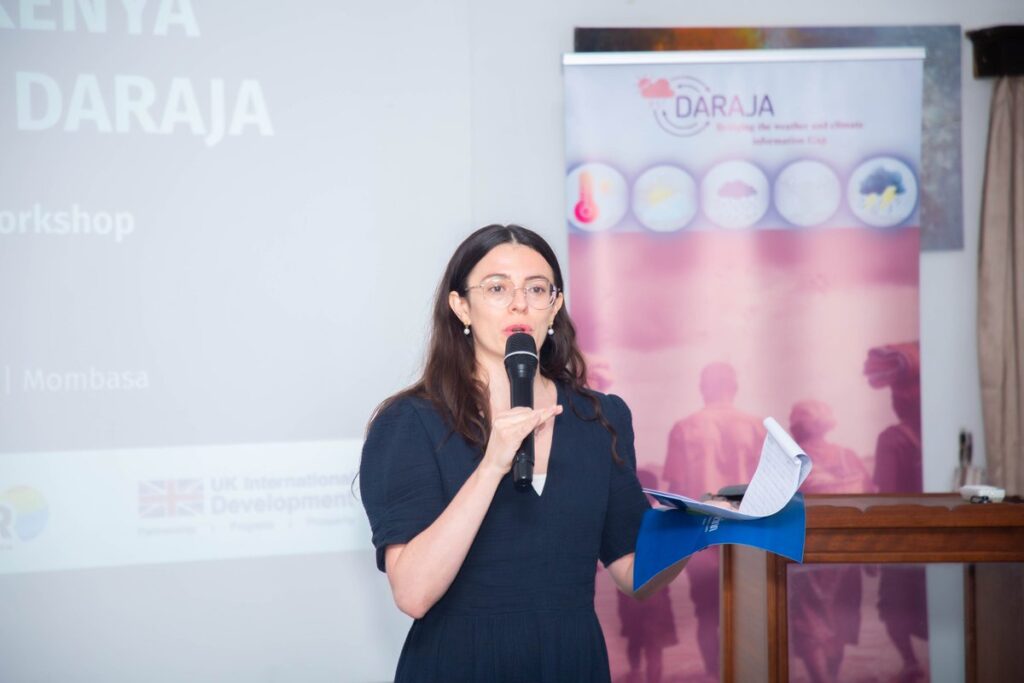
County officials and development partners called for stronger collaboration to build long-term resilience against climate shocks, citing increasing seasons of floods, drought, and rising water levels in lakes, rivers, and the ocean.
“The project is important as it will protect life and environment, and there is a need for consultative action,” said Muga.
Abdisalam Omar, Director of Climate Change in Mombasa County, said the county is prepared to respond to climatic risks and protect both lives and the environment, noting Mombasa’s vulnerability due to its geography and population density.
“Mombasa is unique, because it is surrounded by water mass, it’s fully populated and therefore it’s important to give timely and accurate information about weather change,” said Omar.
Alfred Mwakio, Director in charge of Trade and representing the Department of Trade, Tourism and Culture in Mombasa County, highlighted the economic impact of climate change.
“Tourism gets affected, MSMEs, port operations, and households’ livelihood and this is significant for the county to take policy action,” he said.
Mwakio noted that climate change interventions must be localized due to demographic differences and the strain climate-related crises place on county budgets.
“There is a need to build climate resilience in Mombasa, to protect lives and also preserve the environment,” he said.
Pascal Mukanga, the Programme Director of the DARAJA Programme in Kenya, said early warning systems play a critical role in saving lives, improving planning, and ensuring economic sustainability.
“Our main aim is to ensure the residents and communities within Mombasa get timely information about climate changes and weather forecasts,” Mukanga said.
Jamlek Mbuba, the Deputy County Commissioner for Kisauni, described flooding as a major challenge in the sub-county, saying the DARAJA project is critical in addressing the risk.
“In future we want to inculcate a culture that will drive change in the way we do things, and therefore early warning on climate change is significant,” said Mbuba.
He warned residents against ignoring early warnings, noting that doing so puts lives at risk, and said the project comes at a crucial time as the Coast region prepares for the rainy season.
According to various surveys, only about 40 per cent of the population has access to early warning information. With more than 60 per cent of Africa’s population lacking access to early warnings, communities remain highly vulnerable to climate-related disasters.
The DARAJA project is being implemented by DAYO, a youth-led community-based organization founded in 2005 and based in Mombasa County. The project is funded by the UK Foreign, Commonwealth & Development Office (FCDO) through the Weather and Climate Information Services (WISER) programme.
Previously piloted in Nairobi, the project is now being rolled out in Mombasa to expand responsive climate and weather services for coastal and urban communities. DAYO is partnering with Resurgence and the Kenya Meteorological Department as the lead technical agency.
The launch event brought together county leadership, national institutions, humanitarian agencies, civil society organizations, and development partners to share project objectives, align implementation plans, and strengthen coordination.
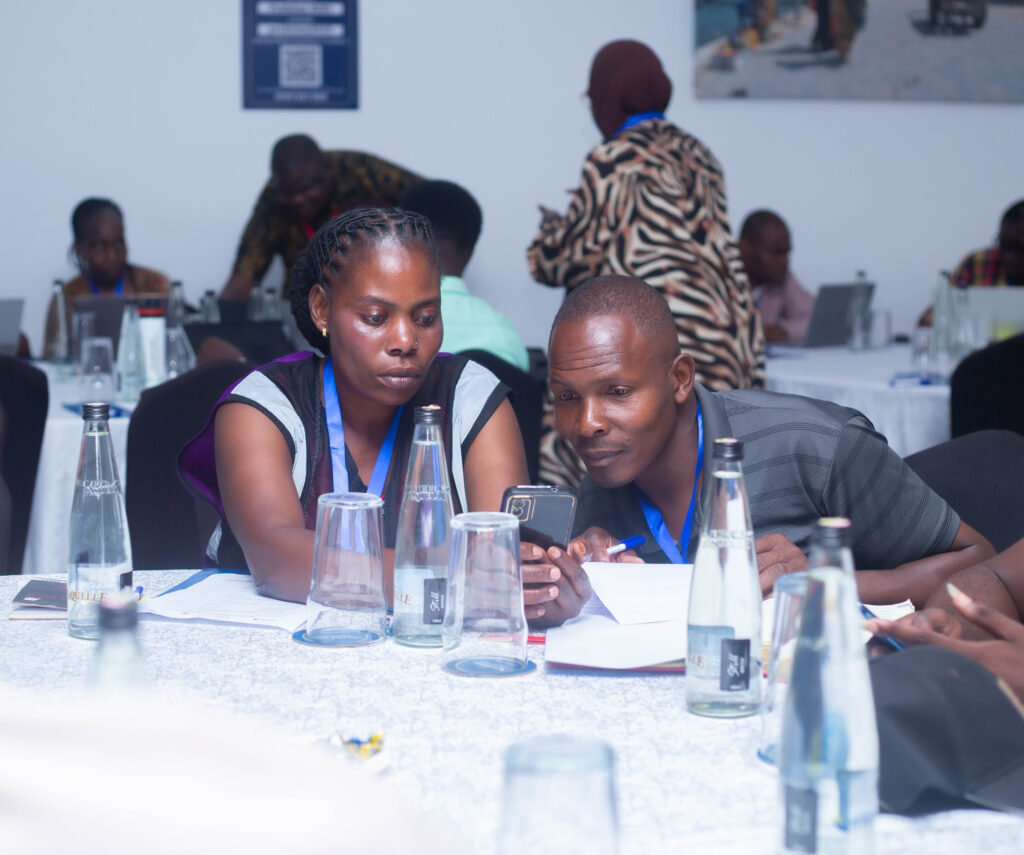
Consortium partners, including Resurgence, WISER, and the British High Commission, are expected to support the project’s implementation.
With increasing climate risks facing the coastal region, stakeholders expressed optimism that the DARAJA project will bridge gaps in climate information, strengthen early warning systems, and protect lives, livelihoods, and the environment in Mombasa County.
About The Author